

Quick answer: “You Can See Everything,” the new documentary from Nathan Fielder and Lance Oppenheim, turns the promise of radical transparency into its central question: does letting cameras into a private life reveal the truth, or simply create a more persuasive performance? The film examines Elizabeth Holmes in the weeks before she began serving her prison sentence, but its larger subject is how documentaries shape what audiences believe.
By Shivam Das | Updated October 15, 2026
There is a familiar bargain at the heart of celebrity documentaries: give a camera unusual access, and viewers may feel they are seeing the person behind the public image. But access is not the same as truth. A subject can be candid and still selective; a filmmaker can be present and still misunderstand a moment; and an edit can turn hours of ordinary life into a story with a clear emotional direction.
That tension sits at the center of You Can See Everything, directed by Nathan Fielder and Lance Oppenheim. The documentary follows Holmes, the founder of failed blood-testing company Theranos who was convicted of fraud, during the weeks leading up to her 2023 incarceration. It also includes her partner, Billy Evans, and Fielder’s unusually close involvement with the household. The film is scheduled to open in U.S. theaters on October 16, 2026, according to distributor A24.
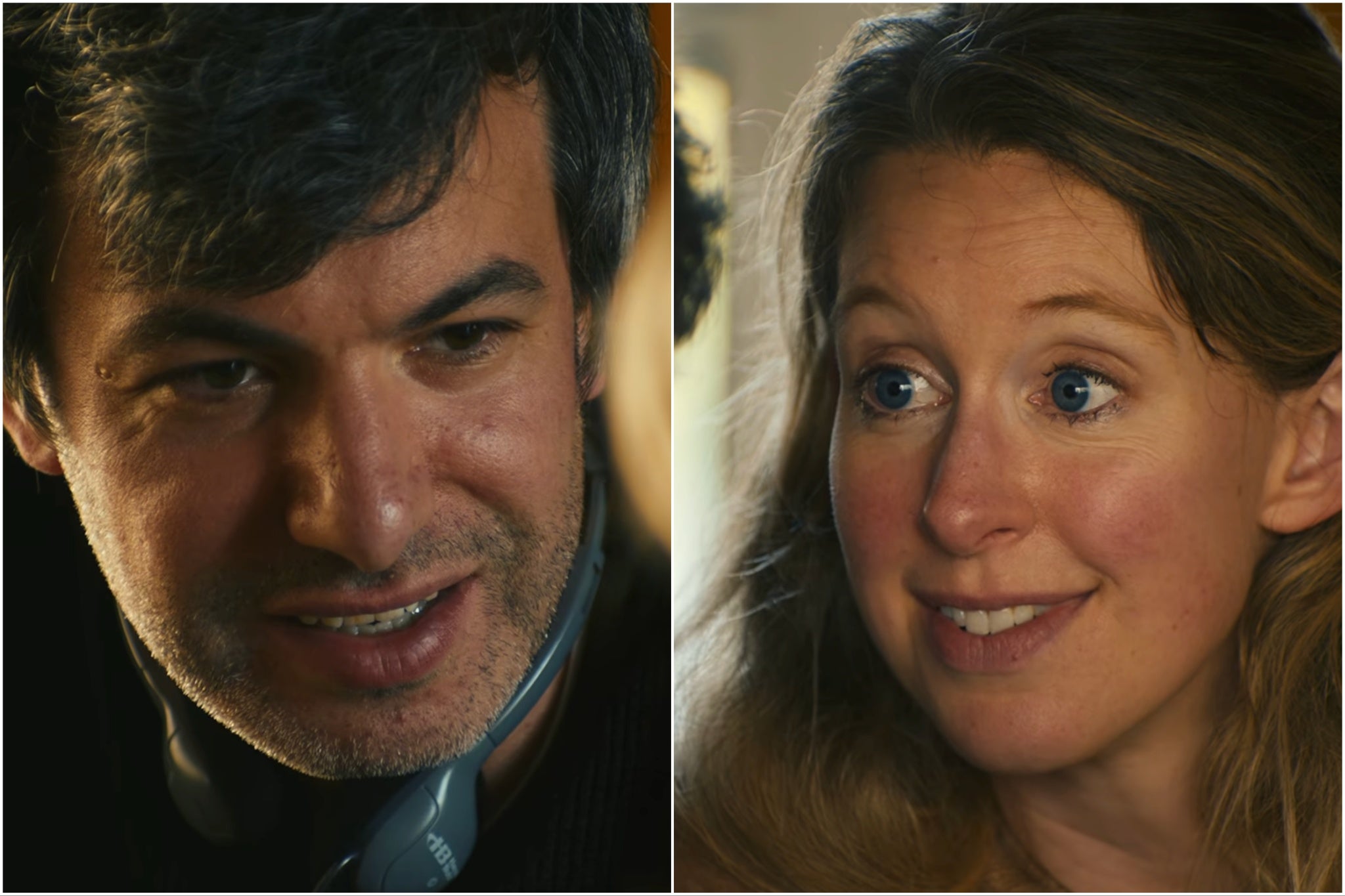
What “radical transparency” promises—and what it cannot prove
The phrase “radical transparency” sounds like a solution to distrust: show more, hide less, and let the audience decide. In practice, a camera can record only what happens in front of it. The people being filmed still choose what to say, the filmmakers choose where to point the lens, and editors decide which moments sit beside one another.
That does not make a documentary dishonest by definition. It means viewers should separate three things: what the footage directly shows, what a participant claims about that footage, and what the finished film invites the audience to infer. Those categories can overlap, but they are not interchangeable.
Holmes’s public story makes that distinction especially important. Theranos attracted major investment with claims about blood-testing technology that were later exposed as deceptive; Holmes was convicted in federal court. A new film can explore her private behavior and self-understanding, but intimate footage does not erase the documented record of the company or independently settle every question about motive.
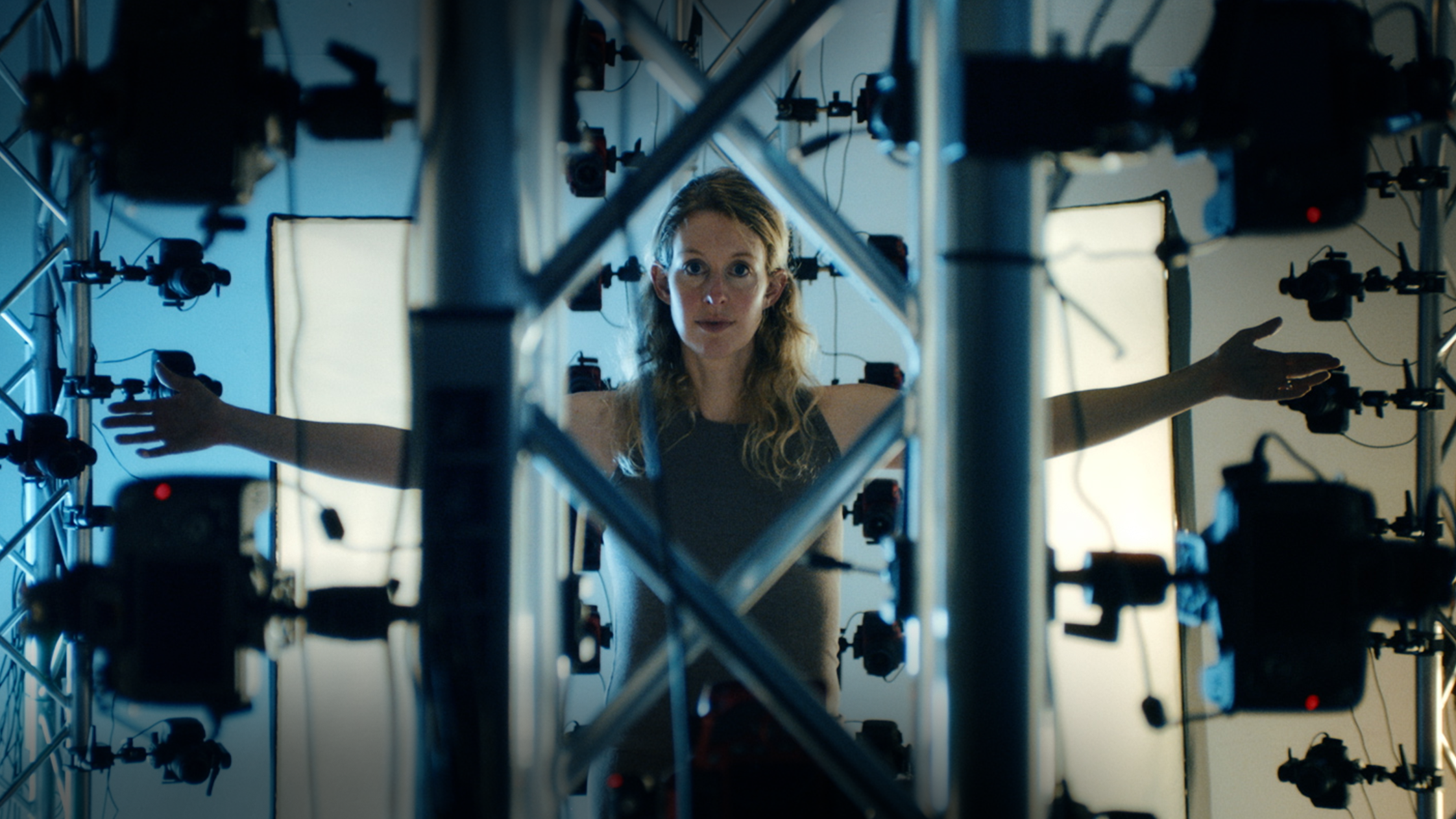
Why the filmmaker’s presence matters
Fielder is known for work that deliberately blurs the line between documentary observation and constructed situations. Here, his presence is part of the story rather than an invisible recording device. That creates a useful but uncomfortable question: when a filmmaker becomes a participant, is the audience seeing a subject behave naturally, react to the filmmaker, or perform a version of themselves for the camera?
There is no simple formula for answering that. A filmmaker’s involvement can reveal dynamics that a distant observer might miss. It can also change those dynamics. The responsible approach is to treat the film as a crafted work of nonfiction, not as an unfiltered window into a person’s mind.

Privacy, consent and the people around the main subject
Documentary ethics are not only about whether the central figure agreed to be filmed. Family members, children, partners and other people in the background may have different levels of control over how they appear. Even when access is granted, filmmakers must decide how much private material is necessary to tell the story—and whether exposure adds understanding or simply shock value.
Audiences should also be cautious about treating a private scene as a complete character verdict. A close-up, a pause, a tear or an awkward exchange can feel revealing, but each is still a fragment. The film’s framing, sound, sequence and context shape the meaning viewers take away.
How viewers can evaluate a documentary responsibly
- Separate evidence from interpretation. Ask what the footage proves directly and what the narration or editing suggests.
- Check the underlying record. For matters involving fraud, legal proceedings or public claims, compare the film with court records and independent reporting.
- Notice the filmmaker’s role. An interviewer’s questions and reactions can shape the scene just as much as a subject’s answers.
- Look for missing context. A documentary cannot show every conversation, document or perspective. Consider who is absent and why.
- Resist instant certainty. Feeling close to a person on screen is not the same as knowing them or verifying their account.
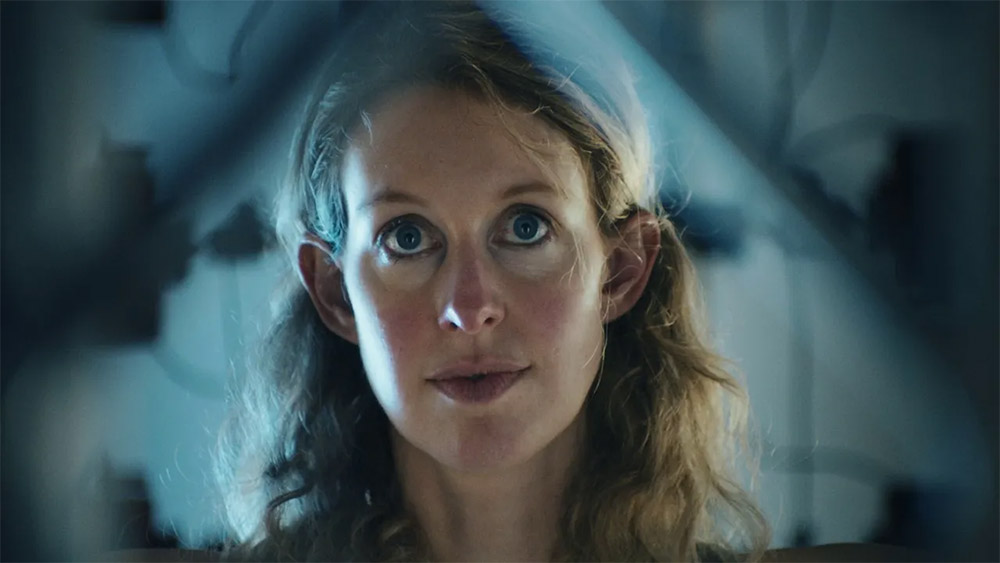
Watch the related video
ABC News reported on the announcement of the documentary. The video below is an embedded report, not a substitute for the film itself.
What the film’s release means for the Theranos story
The documentary arrives years after Theranos collapsed and after the criminal case established a public record of investor fraud. Its potential value is not that a camera can finally deliver a definitive answer about Holmes’s inner life. Rather, it can prompt viewers to examine how public figures build narratives, how audiences respond to intimacy, and how documentary filmmakers balance access with skepticism.
There is also a broader media lesson. In a crowded attention economy, “exclusive access” can become a marketing promise in its own right. Viewers should ask not just whether a film was granted access, but what that access allows us to understand—and what it leaves unresolved. A compelling scene may be emotionally persuasive without being conclusive evidence.
As A24’s release date approaches, the strongest way to watch You Can See Everything is with curiosity and healthy skepticism at the same time. Radical transparency can show us more. It cannot remove the need for context, independent verification or ethical judgment.
Frequently asked questions
What is You Can See Everything about?
It is a documentary directed by Nathan Fielder and Lance Oppenheim that follows Elizabeth Holmes in the weeks before she began serving her prison sentence and explores the tension between access, performance and truth.
When does You Can See Everything open in theaters?
A24 lists the U.S. theatrical release for October 16, 2026.
Does “radical transparency” guarantee that a documentary is truthful?
No. Access can provide valuable evidence, but footage is still shaped by what is recorded, what participants choose to reveal, and how editors assemble the story. Independent reporting and primary records remain important.
Was Elizabeth Holmes convicted of fraud?
Yes. Holmes was convicted in federal court in connection with defrauding Theranos investors. For the legal background, readers should consult court records and established reporting rather than rely on a documentary alone.
Who directed You Can See Everything?
The documentary is directed by Nathan Fielder and Lance Oppenheim, according to A24’s official film page.
Sources and further reading
- A24: Official film details and release date
- Associated Press: Documentary review
- Los Angeles Times: Review and analysis
- Vanity Fair: Reporting on Billy Evans and the documentary
- ABC News: Documentary announcement report
Author: Shivam Das






