

Quick answer: In Below, “Come Home Year” points to more than a family reunion. It draws on a real Newfoundland and Labrador tradition that invites people who moved away to return, reconnect with their communities, and renew their ties to home. The series uses that welcoming idea as dramatic contrast: in Snook’s Arm, coming home means facing old grief, family fractures, economic pressure, and a danger the town cannot explain.
Netflix’s six-episode limited series Below, released October 8, 2026, opens with an episode titled “Come Home Year.” Netflix describes the premiere as a long-awaited family reunion for fisherman Calvin Penney and an unexpected arrival that unsettles the coastal town. That framing makes the phrase a key to the show’s emotional design—not simply a date on the calendar.

What does “Come Home Year” mean in Newfoundland and Labrador?
“Come Home Year” is not a phrase invented for the series. Newfoundland and Labrador has a longstanding tradition of inviting former residents and their families back for local celebrations. The provincial government says the tradition dates to 1966 and has been used to encourage expatriates to return for summer festivities, while also welcoming visitors and celebrating local culture.
These homecomings can be deeply personal. People return to see relatives, revisit familiar places, share food and stories, and introduce younger generations to the communities that shaped their families. A provincial Come Home Year can also support tourism, arts, cultural events, and local businesses. In 2021, the province officially launched a 2022 celebration with the stated goal of bringing people home and welcoming newcomers.
That context matters because “home” in Newfoundland is often more than a house or a postal address. It can mean a harbor, a family name, a local way of speaking, a memory of someone who is gone, or a community that still feels like yours after years away. The tradition celebrates belonging—but it can also reveal how much has changed while someone was gone.

Why Netflix makes a homecoming the starting point
The first episode’s setup brings Calvin’s family back together at a moment when the town is already vulnerable. The sea is no longer just a source of work and identity; it is becoming a source of fear. The town’s future is uncertain, and the arrival of a mysterious threat turns a familiar reunion into something much less comfortable.
That contrast gives the title its sting. A homecoming is supposed to offer reassurance: familiar faces, shared history, and the sense that a person still has a place in the community. But returning can also reopen unfinished business. Old resentments do not disappear because people gather in one room, and a town cannot simply recover its past by inviting people back.
For Calvin, the reunion is therefore both an emotional opportunity and a test. The question is not only whether his family can come home, but whether they can still recognize the place they have returned to—and whether the place can protect them.

The deeper meaning: belonging is a responsibility
The most revealing interpretation of “Come Home Year” is that it asks who gets to claim a community—and what they owe it. Returning home can be a personal choice, but keeping a community alive takes collective effort. Residents need work, services, cultural continuity, and a reason to believe that the next generation can build a future there.
Below places that question beside pressure on the town’s livelihood and the threat of displacement. When a community’s economic future is in doubt, the idea of home becomes political as well as sentimental. Who gets to decide what happens to the shoreline? Who benefits if residents leave? And what is lost when a place is treated as a property or resource rather than a living network of people?
The show’s monster plot makes those questions urgent, but the emotional stakes are recognizably human. Fear can push neighbors apart; it can also force them to rely on one another. A homecoming brings people back into the same place. It does not guarantee reconciliation, safety, or a shared vision of the future.

What is real—and what belongs to the fiction?
The cultural tradition is real; Snook’s Arm and the events surrounding Calvin are part of the series’ fictional story. Netflix identifies Below as a six-episode thriller set in Newfoundland and Labrador, starring Josh Hartnett, Mackenzie Davis, and Charlie Heaton. Its setting draws on the province’s coastal landscape and community life, but the show’s supernatural danger should not be mistaken for a real event.
That distinction makes the title more interesting, not less. The writers borrow a phrase with real cultural resonance and place it in a fictional town where returning home is complicated by secrets and danger. The familiar phrase gives viewers an emotional point of entry before the story moves into horror.
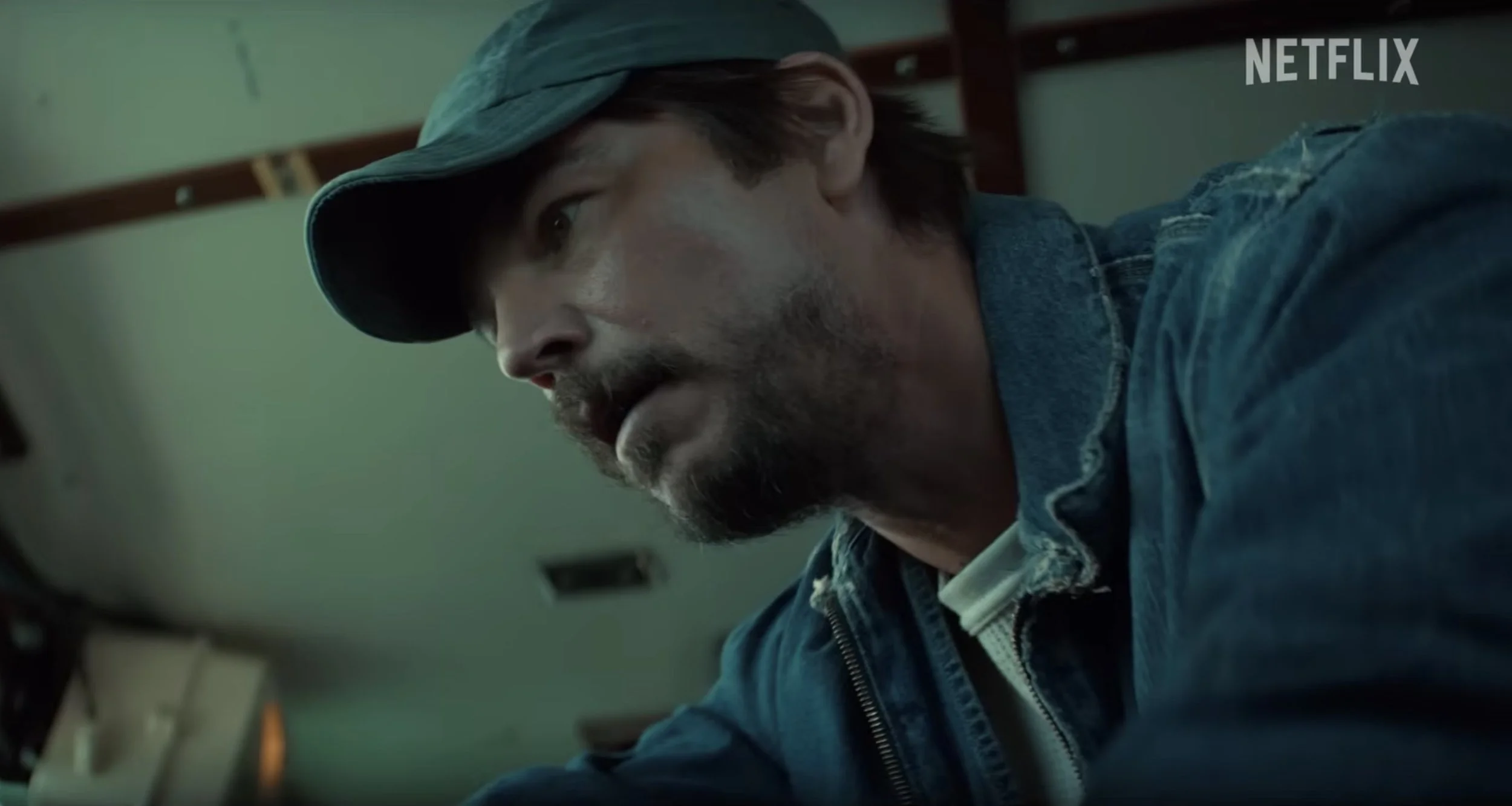
Watch the official trailer for Below
The official trailer introduces the isolated coastal setting and the threat that turns an ordinary homecoming into a crisis.
Frequently asked questions
Is “Come Home Year” a real Newfoundland tradition?
Yes. Newfoundland and Labrador has used Come Home Year celebrations to encourage former residents to return, reconnect with family and community, and take part in local festivities. The provincial government traces the tradition to 1966.
Is “Come Home Year” the first episode of Netflix’s Below?
Yes. Netflix lists “Come Home Year” as Episode 1 and describes it as a family reunion in Snooks Arm that is disrupted by an unexpected arrival.
What does “Come Home Year” symbolize in Below?
It symbolizes reunion and belonging, but the series complicates that promise with grief, secrets, economic uncertainty, and a threat to the town’s future. Coming home is the beginning of the conflict, not its resolution.
Where is Below set?
The series is set in the fictional coastal community of Snooks Arm in Newfoundland and Labrador, Canada, and was filmed in the province.
Where can I verify the real meaning of Come Home Year?
Read the Government of Newfoundland and Labrador’s Come Home Year 2022 announcement and its official campaign overview.
Sources
- Netflix: Below official series and episode guide
- Netflix Tudum: Below trailer, cast, and setting
- Government of Newfoundland and Labrador: Come Home Year 2022
- Newfoundland and Labrador Tourism: Come Home Year tradition overview
- Reuters: Below’s Newfoundland setting and local community
Author: Shivam Das


