

Netflix’s Below uses sound as more than background decoration: Mark Korven’s original score helps turn a remote Newfoundland community, a threatening ocean, and a family under pressure into one sustained atmosphere of dread. The comparison with John Carpenter is less about copying a famous melody and more about a shared horror principle: let repetition, restraint, texture, and silence make the audience imagine what might be waiting just outside the frame.
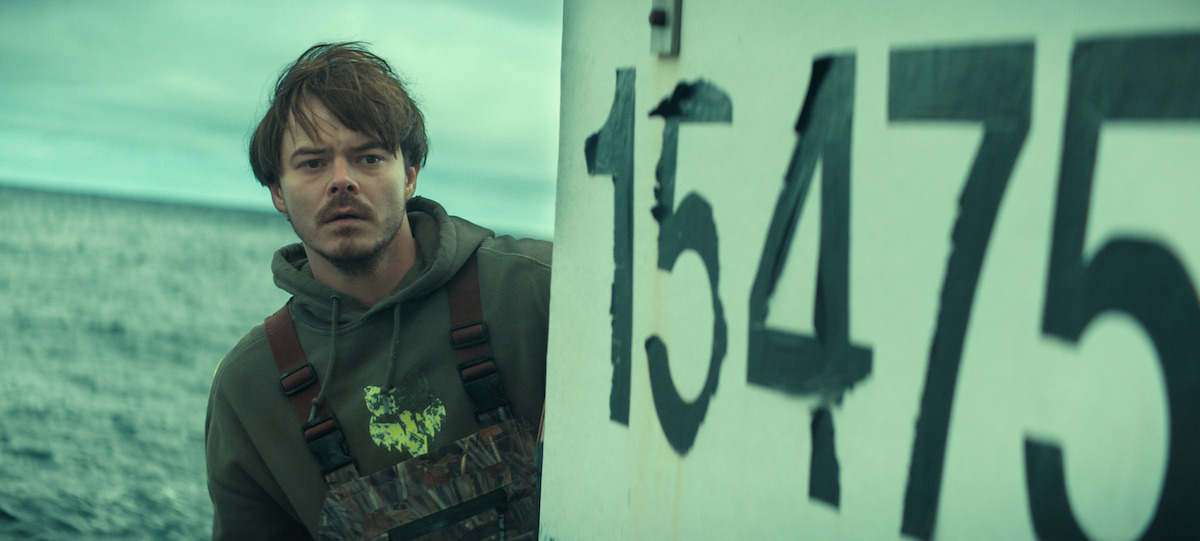
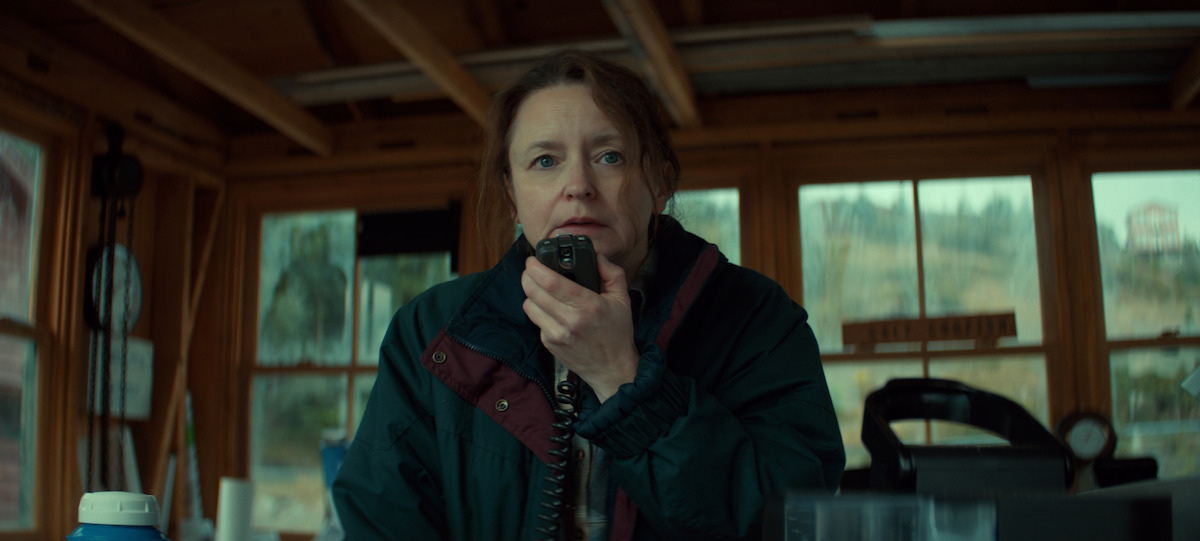
Released on Netflix on October 8, 2026, Below is a six-episode thriller set in Newfoundland. Its story follows fisherman Calvin Penney, played by Josh Hartnett, as a mysterious sea creature threatens his town and the community struggles to protect its future. Netflix’s official series guide frames the show around suspense, family, and a vanishing way of life—not simply monster attacks. That combination gives the score a distinctive job: it must make the sea feel dangerous while keeping the human drama close enough to matter. Netflix Tudum’s series guide confirms the setting, cast, and six-episode format.
Why the John Carpenter comparison makes sense
John Carpenter’s best-known horror scores often work through economy. In films such as Halloween and The Fog, a recurring musical idea can become frightening because the film refuses to explain it away. A pulse, a repeated figure, or a small shift in harmony can signal danger before the image gives the audience a clear answer. The technique is effective because it trains viewers to listen: once a sound becomes associated with threat, its return can make an ordinary shot feel unsafe.
Below operates in a similar emotional territory. Its isolated coastline and uneasy community already create visual tension, but music can connect separate moments—the open water, a worried face, a quiet room—into one continuous sense of uncertainty. The Carpenter parallel is therefore best understood as a description of mood and method, not a claim that Korven reproduces Carpenter’s exact style or instrumentation.
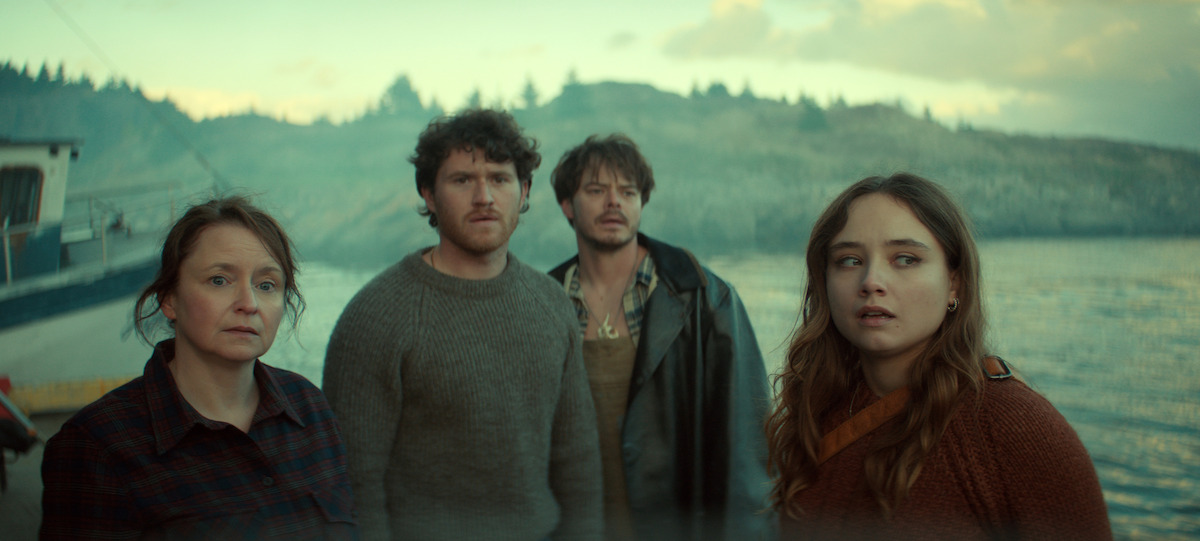
Mark Korven’s strength is texture, not just melody
Korven has built a reputation in screen music through unsettling, carefully shaped sound worlds. His credits include Robert Eggers’ The Witch and The Lighthouse, as well as The Black Phone and other suspense and horror projects. His official composer website describes a career spanning film and television, and highlights his interest in unusual musical tools, including the custom-built instrument known as the Apprehension Engine. That background matters because horror often becomes more unnerving when a sound sits between familiar categories: part instrument, part noise, part something the listener cannot confidently identify.
For a story surrounded by cold water and isolation, this kind of sonic ambiguity is especially useful. A conventional orchestral cue can tell viewers exactly how to feel. An unstable texture can leave them uncertain whether they are hearing music, machinery, wind, or a threat within the environment. The uncertainty mirrors the characters’ limited knowledge of what is happening offshore.
That is where a score can feel cinematic rather than merely supportive. It changes how the audience reads the image. A wide shot of the sea might look beautiful on its own; with a low, unresolved musical bed, the same shot can become a warning. The sound does not need to announce a monster. It only needs to make the water feel as though it is keeping a secret.
Silence is part of the suspense
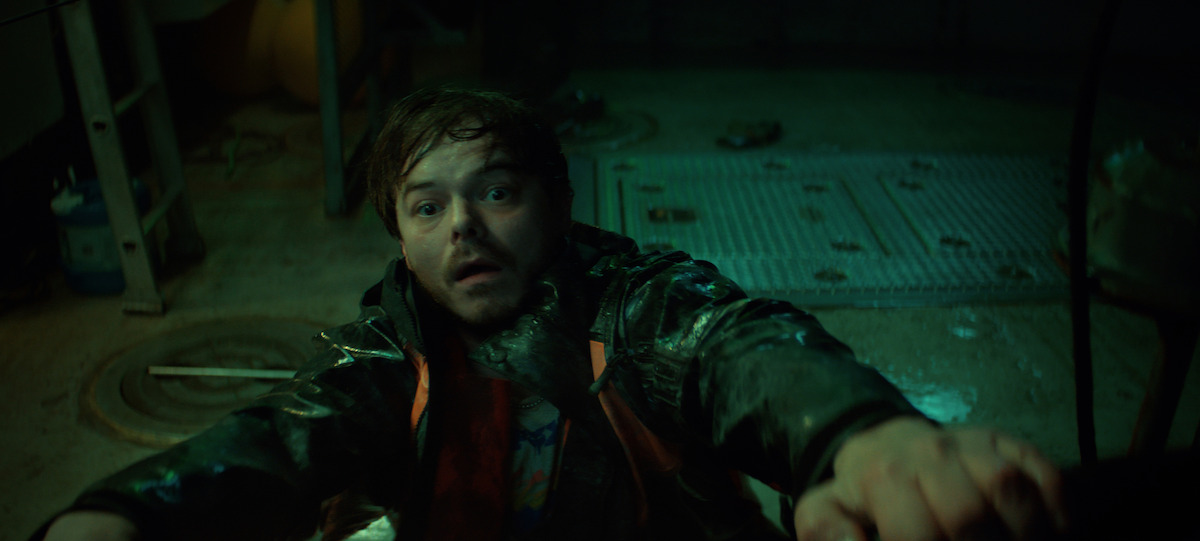
One of horror’s most reliable tricks is to reduce the amount of information the audience receives. When every moment is filled with loud music, the viewer quickly learns to treat the soundtrack as a constant instruction. When a score pulls back, ordinary sounds—water against a hull, a creaking structure, a breath, or an abrupt change in room tone—can become startlingly prominent.
That contrast is central to the Carpenter comparison. The tension is not simply that the music sounds frightening; it is that the film can make viewers wait for the music to return. A pause becomes a question. A recurring motif becomes a clue. Even when the threat remains unseen, the audience is already anticipating its arrival.
In Below, that restraint also helps protect the family story at the centre of the thriller. Calvin’s fear and responsibility need room to register as human emotions, not just as cues for the next scare. The quieter the score can be when characters are dealing with loss, loyalty, or uncertainty, the more forcefully a later swell or dissonant sound can land.
The score has to serve the town as well as the creature
What distinguishes Below from a straightforward creature feature is its sense of place. Newfoundland is not just a backdrop: the remote coast, the working harbour, and the community’s fragile economic future shape the characters’ choices. Netflix’s own description emphasizes a town fighting to preserve its way of life. The score therefore has two jobs that could easily clash: make the creature feel uncanny, and keep the human world emotionally specific.
Music that leans too heavily on constant menace could flatten that world into a series of jump scares. A more flexible score can allow warmth, local life, and family conflict to exist beside dread. When the horror returns, it disrupts a place the audience has had time to care about. That contrast makes the threat feel larger than a single monster encounter.
Watch the official Netflix teaser
The official teaser offers a useful introduction to the show’s visual and sonic atmosphere. Listen for how the sound design and music work together to keep the threat uncertain rather than explaining it immediately.
Watch the official Below teaser on YouTube.
What the soundtrack confirms
Film Music Reporter reported on October 7, 2026, that Netflix Music would release an album of Korven’s original score for Below on October 8. The reported track list includes cues such as “Iceberg Trance,” “Submarine Disaster,” and “Mudder Nightmare / Fonda Suspense.” Even without treating track titles as a substitute for listening, they suggest the score is built around specific locations, characters, and moments of escalating danger rather than one single theme repeated without context. Read Film Music Reporter’s soundtrack announcement.
The Carpenter connection, then, is less a verdict that Below sounds exactly like a 1980s film and more a useful way to describe its suspense vocabulary. The show draws on isolation, sonic repetition, uneasy textures, and the power of not showing too much. Korven’s experience with atmospheric horror makes him a natural fit for a story where the environment itself feels threatening.
Frequently asked questions
Who composed the score for Netflix’s Below?
Mark Korven composed the original score for Below, Netflix’s 2026 Newfoundland-set thriller. The soundtrack release was reported by Film Music Reporter in October 2026.
Why does Below’s music feel like John Carpenter horror?
The comparison comes from atmosphere and restraint: recurring musical ideas, unsettling textures, and tension that builds while the threat remains partly unseen. It is a stylistic comparison, not evidence that the score copies Carpenter’s music.
What other horror films has Mark Korven scored?
Korven’s credits include The Witch, The Lighthouse, and The Black Phone, among other film and television projects.
Where can I watch Below?
Below premiered on Netflix on October 8, 2026. Availability can vary by region; check the official Netflix title page.
Is Below’s soundtrack available separately?
Film Music Reporter announced a digital soundtrack release through Netflix Music for October 8, 2026. Check official music services for current regional availability.
Sources
- Netflix Tudum: Below cast, setting, release details, and official stills
- Film Music Reporter: Below soundtrack album details
- Mark Korven’s official composer website
- Netflix: Below official teaser trailer
By Shivam Das


