

By Shivam Das | Entertainment
Quick answer: Below balances jump scares with quiet emotional moments by making the danger feel personal. The shocks threaten a coastal community already dealing with family tension, uncertainty, and the possibility of losing home. The quieter scenes give viewers time to understand what the characters stand to lose, making suspense about more than what might be hiding beneath the water.
Spoiler note: This article discusses the show’s themes and storytelling approach without revealing major late-series twists.
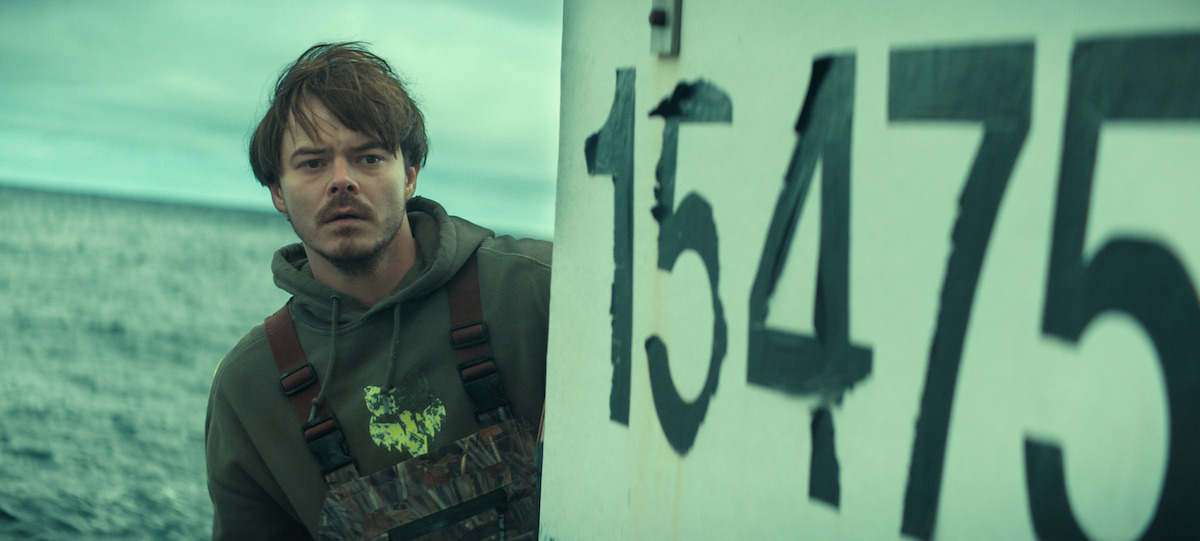
Why the scares work best when the show slows down
A jump scare produces an immediate physical reaction: a sudden movement, an unexpected sound, or the reveal of something hidden. Emotional suspense works more slowly. It asks viewers to worry about a person, a relationship, or a home—and lets that concern linger after the immediate danger has passed.
Netflix describes Below as a thriller about a mysterious sea creature threatening a coastal town, where a fisherman fights to protect his family and his community’s vanishing way of life. That premise links the supernatural threat to recognisable fears: losing a livelihood, failing to protect someone you love, and watching a familiar place change beyond recognition.
So when a frightening event interrupts a scene, viewers are not only wondering whether the next scare will be bigger. They are also considering its consequences. Will a parent and child understand each other? Can neighbours trust one another when panic spreads? What happens when the danger outside exposes divisions inside the community?
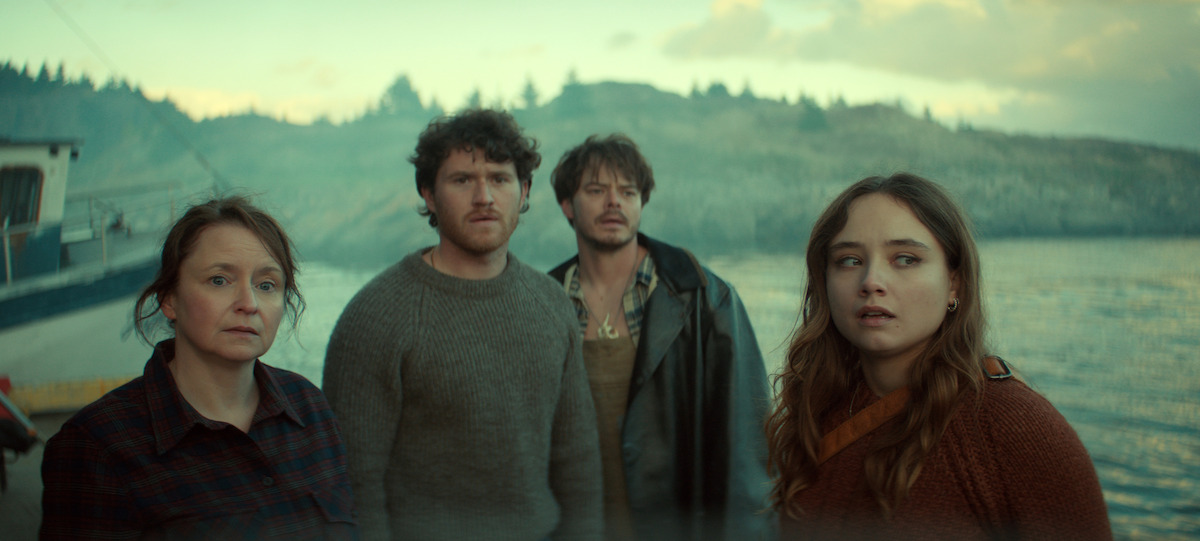
Quiet scenes give the danger a human cost
Horror often becomes more effective when ordinary life continues between frightening incidents. A conversation at home, an awkward exchange between relatives, or a pause beside the harbour makes the next burst of danger feel disruptive rather than routine. These calmer stretches establish what the characters value before the story puts those values under pressure.
In Below, the family drama is not separate from the creature story; it gives the threat its emotional scale. A town is more than a location. It is a network of people who remember one another’s mistakes, share histories, and depend on one another in ways outsiders may not understand. When the community’s future is uncertain, even a quiet scene can carry the weight of a much larger decision.
The contrast also prevents the series from becoming exhausting. If every sequence were played at maximum intensity, viewers would have little room to process what they had seen. Quiet scenes reset the rhythm without erasing tension. They allow dread to build and give performances room to communicate fear, frustration, tenderness, or denial without explaining every feeling in dialogue.
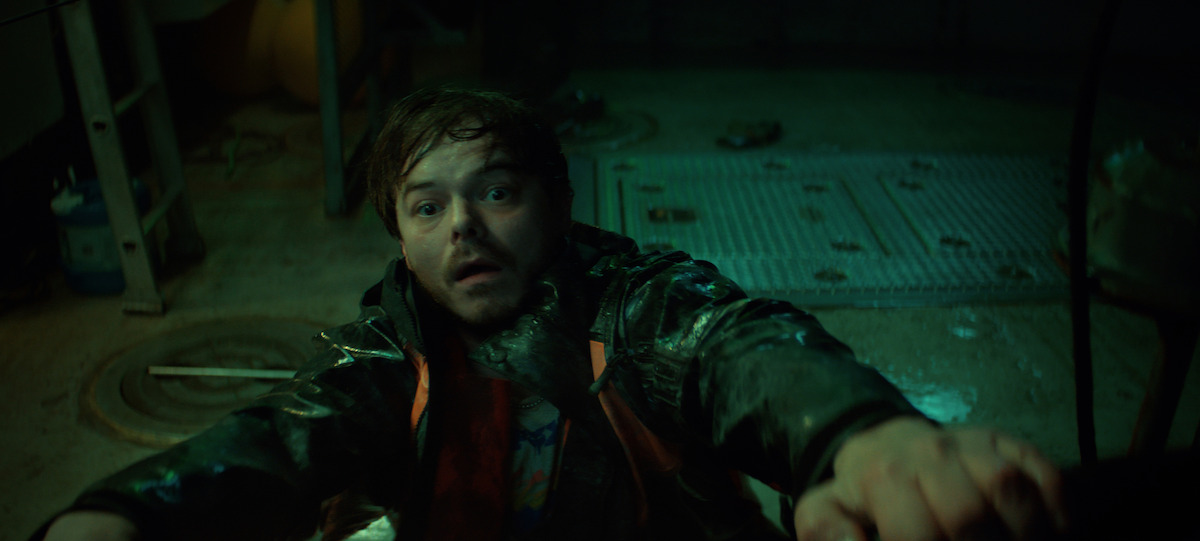
Sound, pacing, and the space before the shock
Suspense depends on anticipation as much as surprise. A scene can become unsettling before anything dangerous appears: the background grows quieter, a character hesitates, or the camera lingers on a detail that seems ordinary but feels out of place. Viewers begin searching the frame for a threat. When the scare arrives, it releases the tension that has accumulated.
Quiet scenes create contrast. A sudden noise has less impact if the soundtrack has never offered a moment of calm; a frightening image feels less disruptive if the story has not first shown what normal life looks like. Alternating these registers gives the series a pulse—unease, release, reflection, then unease again.
Emotional scenes can create suspense without sound effects. A character who avoids answering a question, or a family conversation that stops just short of honesty, leaves viewers wondering what will happen when the truth finally surfaces. The danger in that moment is relational rather than physical, but it can still hold attention.
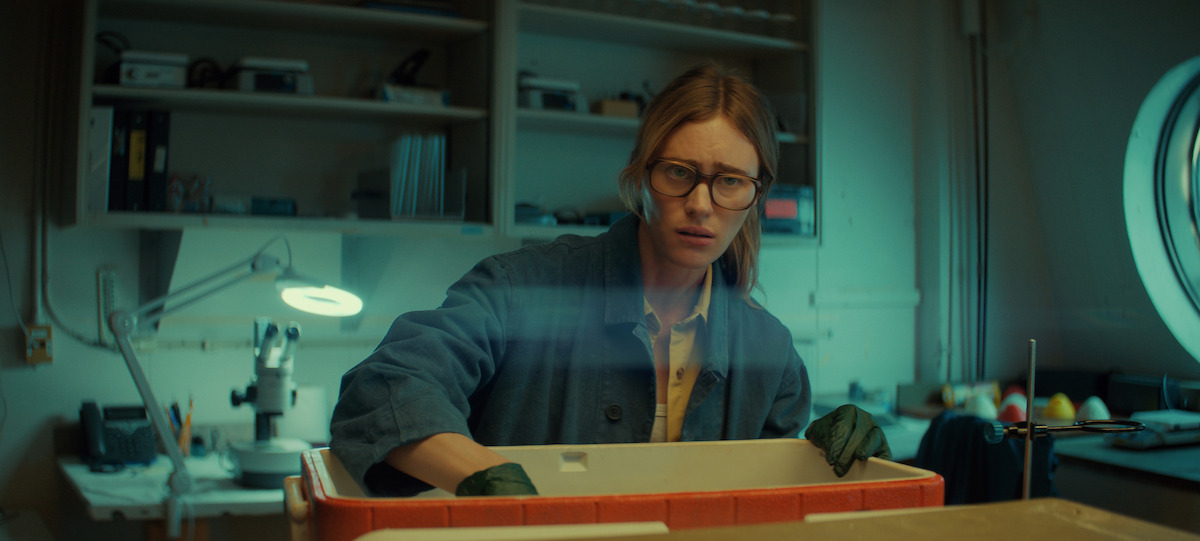
Why the Newfoundland setting adds emotional weight
The coastal environment is more than an atmospheric backdrop. The sea is a source of work, identity, and continuity for the town, but it is also where the unknown danger emerges. That double role makes the setting emotionally charged: the characters cannot simply reject the water without rejecting part of the life they are trying to preserve.
Netflix’s official coverage says the series was filmed in Newfoundland and Labrador and that creator Jesse McKeown wanted to tell a story shaped by the region’s distinctive landscape and community. The location ties the supernatural premise to everyday realities—distance, work, local knowledge, and the importance of neighbours when a place is isolated.
The threat is not arriving in a random setting the characters can easily abandon. It presses into a place where family memory and economic survival are intertwined. Staying, leaving, and protecting home can all feel frightening for different reasons.
Family relationships keep it from becoming only a creature feature
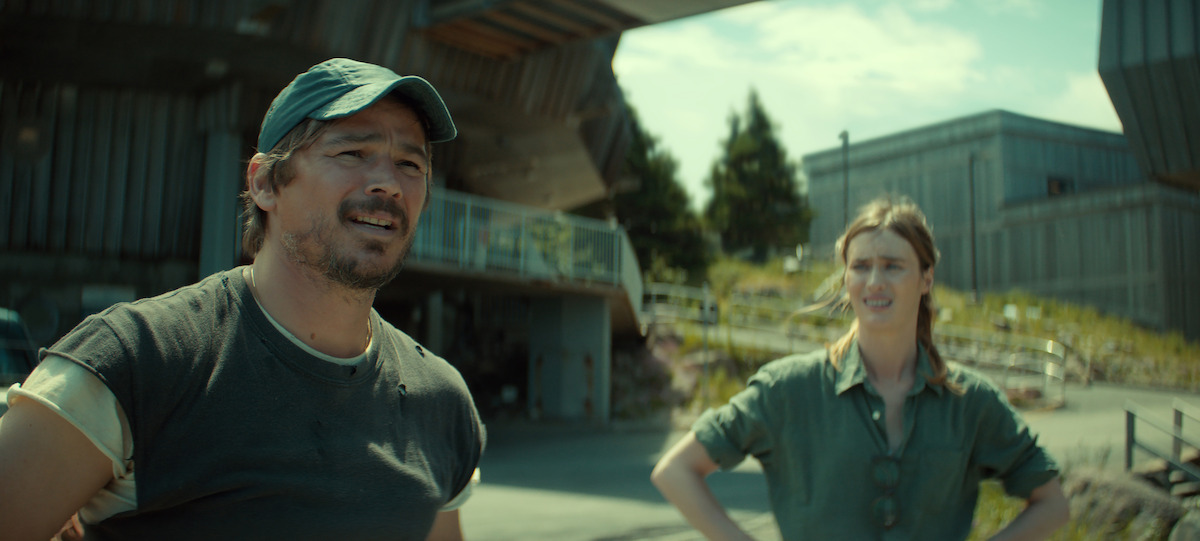
Netflix identifies Josh Hartnett as fisherman Calvin Penney and Charlie Heaton as his son Wade. Their relationship gives the series a personal line through the larger crisis. When danger threatens a community, the stakes can become abstract; when a parent is also trying to keep a family together, those stakes have a face and a history.
Family scenes reveal the distance between what characters feel and what they are willing to say. They can show care through an action rather than a speech, or leave tension unresolved because real relationships rarely tidy themselves up on cue. Those details make the characters feel like people living through a crisis, not figures waiting for the next scare.
The balance will not work identically for every viewer. People who want fast-moving creature horror may find the pauses slow the momentum; viewers drawn to character-led drama may see those pauses as the reason the scares matter. The two modes support each other: the monster supplies immediate danger, while the family and community story explains why survival matters.
What the balance means for viewers
Effective horror does not have to choose between making an audience flinch and making it care. A jump scare creates an instant response; a quiet emotional scene gives that response context. By placing a supernatural threat inside a story about family, belonging, and a community’s uncertain future, Below makes tension last beyond the moment of impact.
On the surface, it is a thriller about an unknown creature and the danger facing a coastal town. Beneath that, it is a story about people trying to protect the ties that make a place home. The quieter moments are not pauses in the horror; they give the horror something meaningful to threaten.
Watch the official trailer
Netflix’s official teaser offers a glimpse of the show’s coastal atmosphere, family tension, and unseen danger.
Frequently asked questions
How does Below balance jump scares with emotional moments?
It places sudden threats alongside quieter scenes about family, community, and the fear of losing home. Those scenes give the scares consequences beyond the immediate shock.
Is Below only a monster horror series?
No. Netflix describes it as a thriller about a sea creature threatening a coastal town, but the premise also follows a fisherman trying to protect his family and community.
Who stars in Below?
The series stars Josh Hartnett, Mackenzie Davis, and Charlie Heaton. Hartnett plays fisherman Calvin Penney, Davis plays marine researcher Fonda Howander, and Heaton plays Wade Penney.
Where was Below filmed?
Netflix’s official Tudum coverage says the series was filmed in Newfoundland and Labrador, Canada.
Where can I watch Below?
Below is available on Netflix. Availability may vary by country and subscription plan. Visit the official Netflix title page for current viewing information.
Sources
- Netflix — Below official title page and episode guide
- Netflix Tudum — Below cast, plot, filming location, and first-look photos
- Netflix Tudum — Official teaser and cast comments
Image credits: Netflix / Tudum. Images are official promotional stills; reuse is subject to the source owner’s applicable rights and terms.


