

Fans looking for the kind of creeping dread associated with early John Carpenter horror may find plenty to discuss in Netflix’s Below. The new Newfoundland-set thriller combines a remote coastal community, strange events at sea, uneasy silences, and an unknown creature. Those ingredients invite comparisons with Carpenter’s atmospheric genre films—but the most useful comparison is about mood and technique, not a claim that the series is a remake or a direct imitation.
Quick answer: Below can remind viewers of early John Carpenter films because it builds suspense around isolation, an uncertain threat, and a community that cannot easily escape. Netflix describes the series as a six-part thriller about a fisherman protecting his family and town from a mysterious sea creature. Reviews have also noted echoes of classic creature and coastal horror, including The Thing and The Fog. That makes a Carpenter comparison understandable, though it does not prove that every viewer—or a majority of fans—shares the same opinion.
Why Below’s atmosphere invites a John Carpenter comparison
Carpenter’s most enduring horror films often make the setting feel like part of the danger. A remote outpost, a fog-bound town, or a place cut off from help can create tension before the monster is fully understood. Below uses a similarly effective starting point: a small Newfoundland fishing community surrounded by cold water, rough weather, and a threat that residents cannot immediately explain.
The isolation matters. In a crowded city, characters might call for help, disappear into a crowd, or find another route out. In a coastal village, the ocean is both livelihood and barrier. The same water that sustains the community can also conceal danger. That double meaning gives ordinary shots of boats, docks, and dark water a dramatic charge.
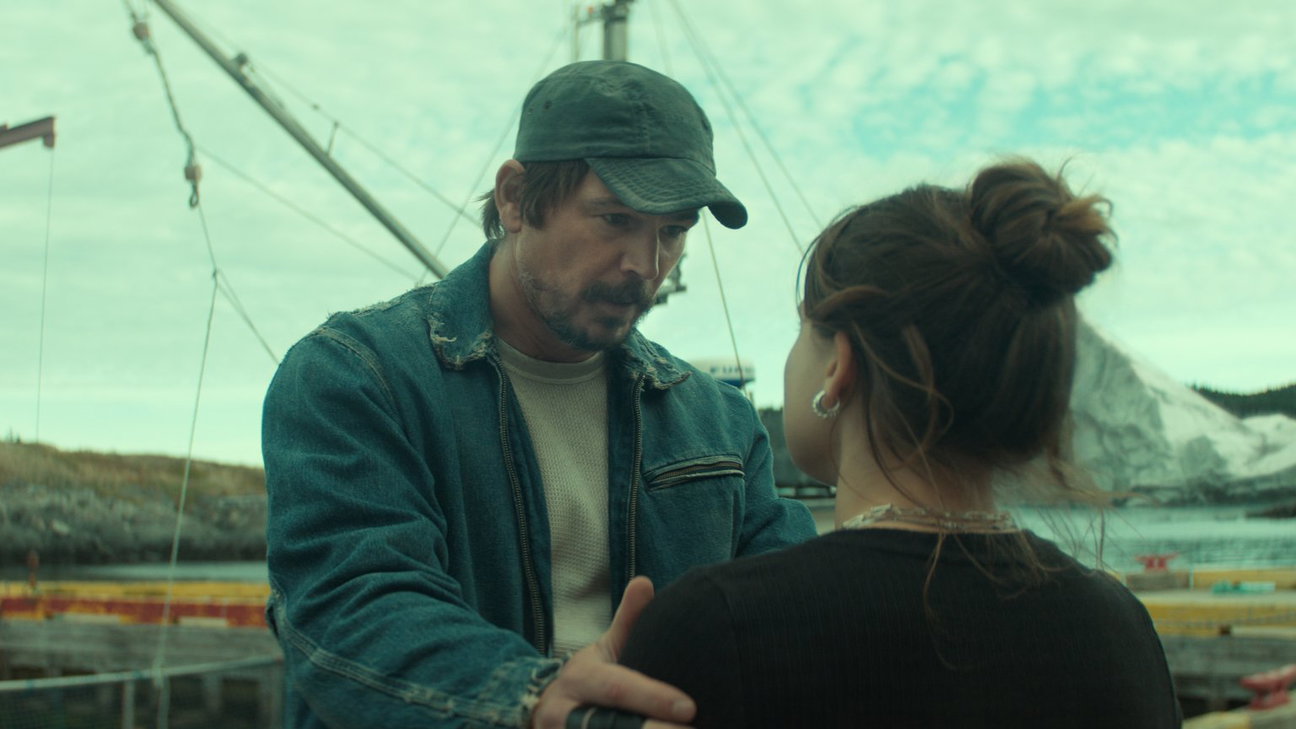
It is the uncertainty—not just the creature—that creates dread
Creature features can lose tension when they reveal too much too early. A threat is often scarier while viewers are still working out its size, motives, and limits. Below begins with a mystery beneath the water and allows the danger to press on the town before everyone understands what they are facing.
That approach is one reason viewers may think of Carpenter’s work. In films such as The Thing, fear comes not only from the creature itself but from uncertainty: who is safe, what is real, and whether the characters can trust their own assumptions. The Fog, meanwhile, turns a coastal setting and a community’s buried history into sources of unease. The parallels are broad rather than exact, but they help explain why the comparison feels natural.
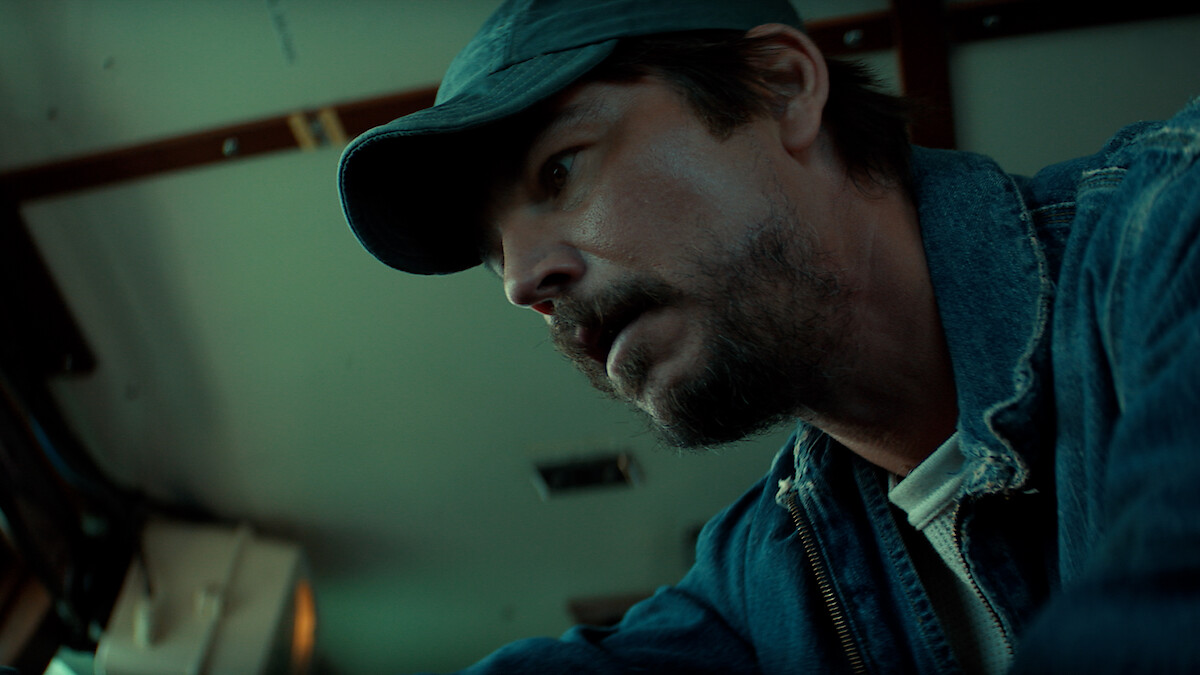
Newfoundland is more than a spooky backdrop
The series is set in a Newfoundland fishing town, and that location gives its horror a social dimension. The community’s relationship with the sea is practical as well as emotional: it shapes work, family routines, local identity, and the choices people can afford to make. When the water becomes frightening, the threat reaches into the town’s everyday life.
Netflix’s official series material says creator Jesse McKeown drew on his experience of Newfoundland and describes the setting as rugged, isolated, and full of distinctive local character. That combination can make the story feel different from a generic monster film. The landscape is not simply scenery behind the action; it helps define the characters’ sense of home and the cost of leaving it.
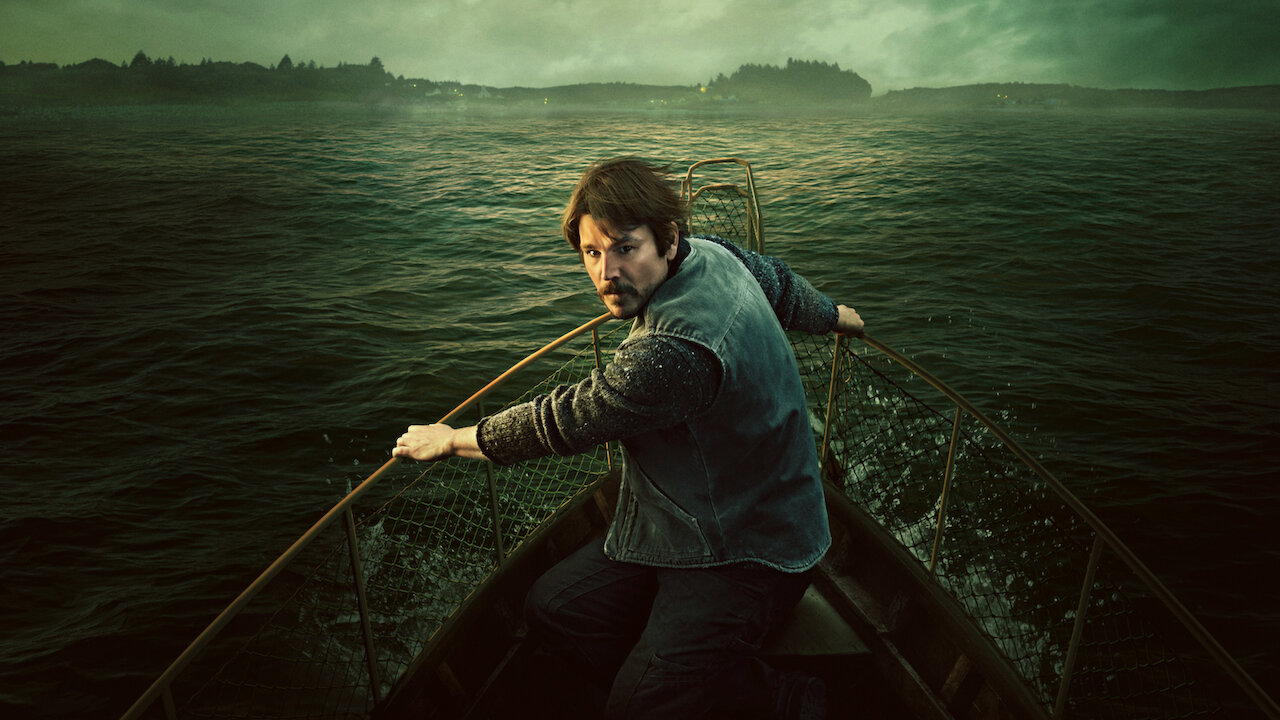
How the series uses silence, weather, and scale
Atmosphere is built from more than a frightening soundtrack. Long looks across the water, the distance between houses, a boat moving through a wide frame, or a character pausing before stepping outside can make a threat feel larger than what is visible. Weather and landscape also slow the story down in useful ways: they make travel difficult and remind viewers that the characters cannot control their surroundings.
That restraint is a key part of classic atmospheric horror. Instead of treating every scene as an opportunity for a jump scare, a story can let unease accumulate. When a sudden shock finally arrives, it lands against a foundation of tension that has already been building.
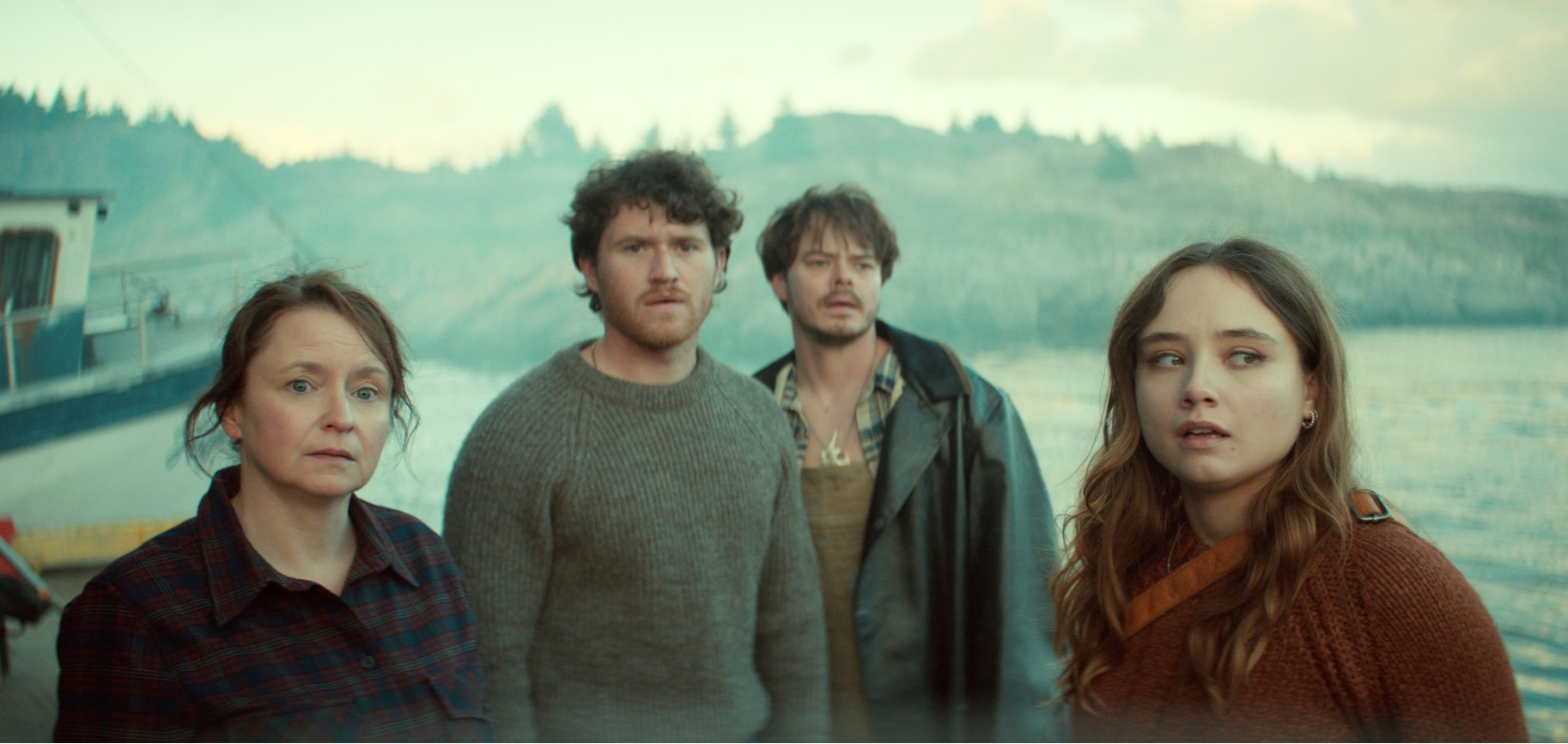
What the comparison gets right—and where it can go too far
The Carpenter comparison works best when it describes the series’ atmosphere: isolation, a community under pressure, an unexplained threat, and a setting that feels dangerous even when nothing is happening. It becomes less useful if it suggests that Below copies a specific film or that its story follows Carpenter’s plots beat for beat. The show has its own family drama, local concerns, and environmental undercurrents.
There is also a difference between critical comparison and verified audience consensus. A review can identify echoes of earlier horror films, and individual viewers can make the same connection online, but that does not establish that “fans” as a whole agree. Unless a representative audience survey or a substantial set of attributable posts supports that claim, it is more accurate to say that the atmosphere invites the comparison than to present it as a universal reaction.
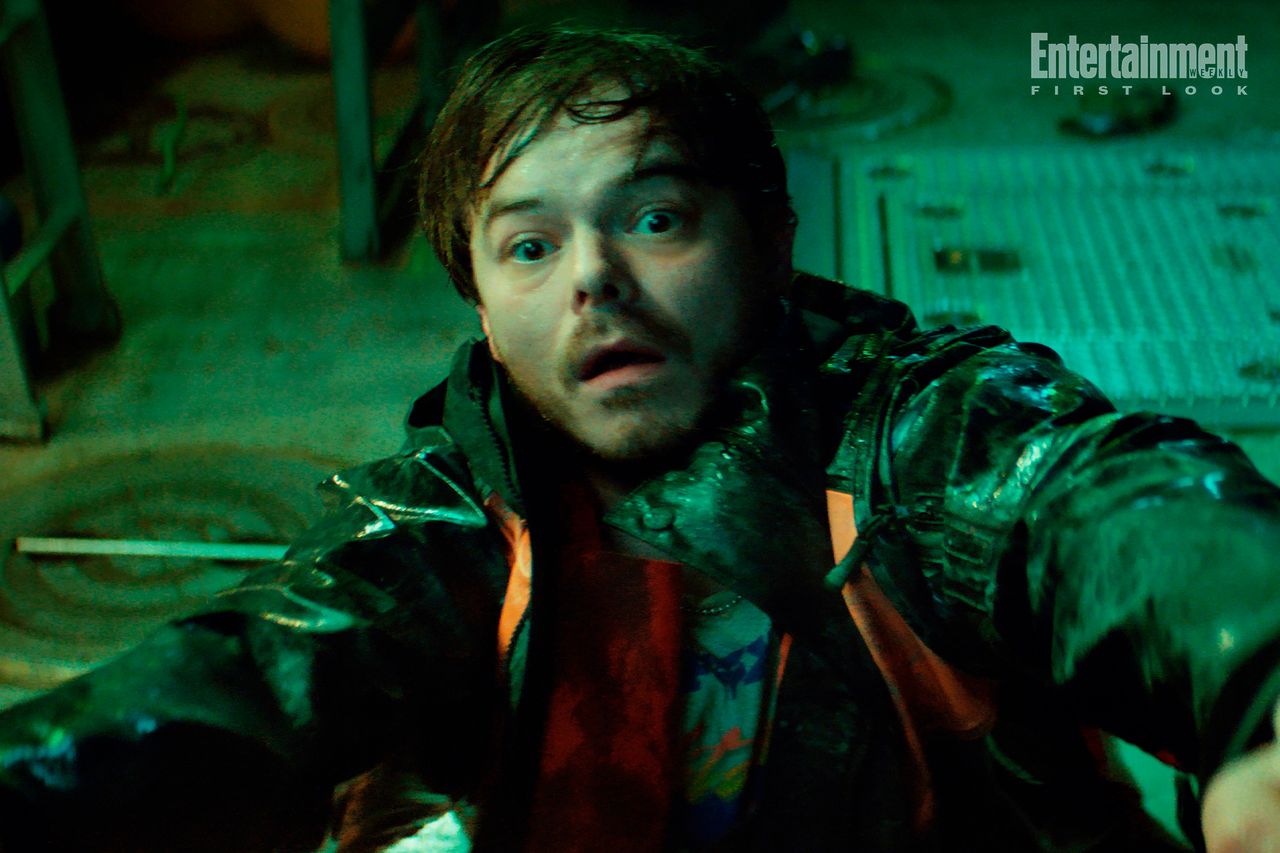
Watch the official trailer
The official teaser gives viewers a direct way to judge the atmosphere, visual style, and use of the Newfoundland setting for themselves.
Official social post
Netflix also shared the first look on Instagram. The post is embedded below where Instagram’s embed tools are supported.
View this post on Instagram
Frequently asked questions
Is Below similar to John Carpenter’s horror films?
In atmosphere, it can be: the isolated setting, an unclear threat, and a community under pressure may remind viewers of Carpenter’s suspense-driven horror. The comparison is about mood and technique, not proof of a direct remake or imitation.
Which John Carpenter films does Below most readily bring to mind?
The broadest comparisons are with The Thing, for its uncertainty and distrust, and The Fog, for its coastal atmosphere and community secrets. These are interpretive comparisons rather than official statements of influence.
Is there evidence that all fans are making this comparison?
No representative evidence establishes that all—or most—viewers agree. It is safer to describe the comparison as a plausible reading of the show’s atmosphere unless specific, attributable audience data supports a broader claim.
Where can viewers watch Below’s official trailer?
The official teaser is available on Netflix’s verified YouTube channel, and Netflix’s title page provides series information and trailer links.
Sources and further reading
- Netflix Tudum: Below trailer, cast, plot, and filming location
- Netflix Tudum: Below teaser trailer
- The Guardian: Review of Below
- Netflix: Official Below teaser on YouTube
By Shivam Das


