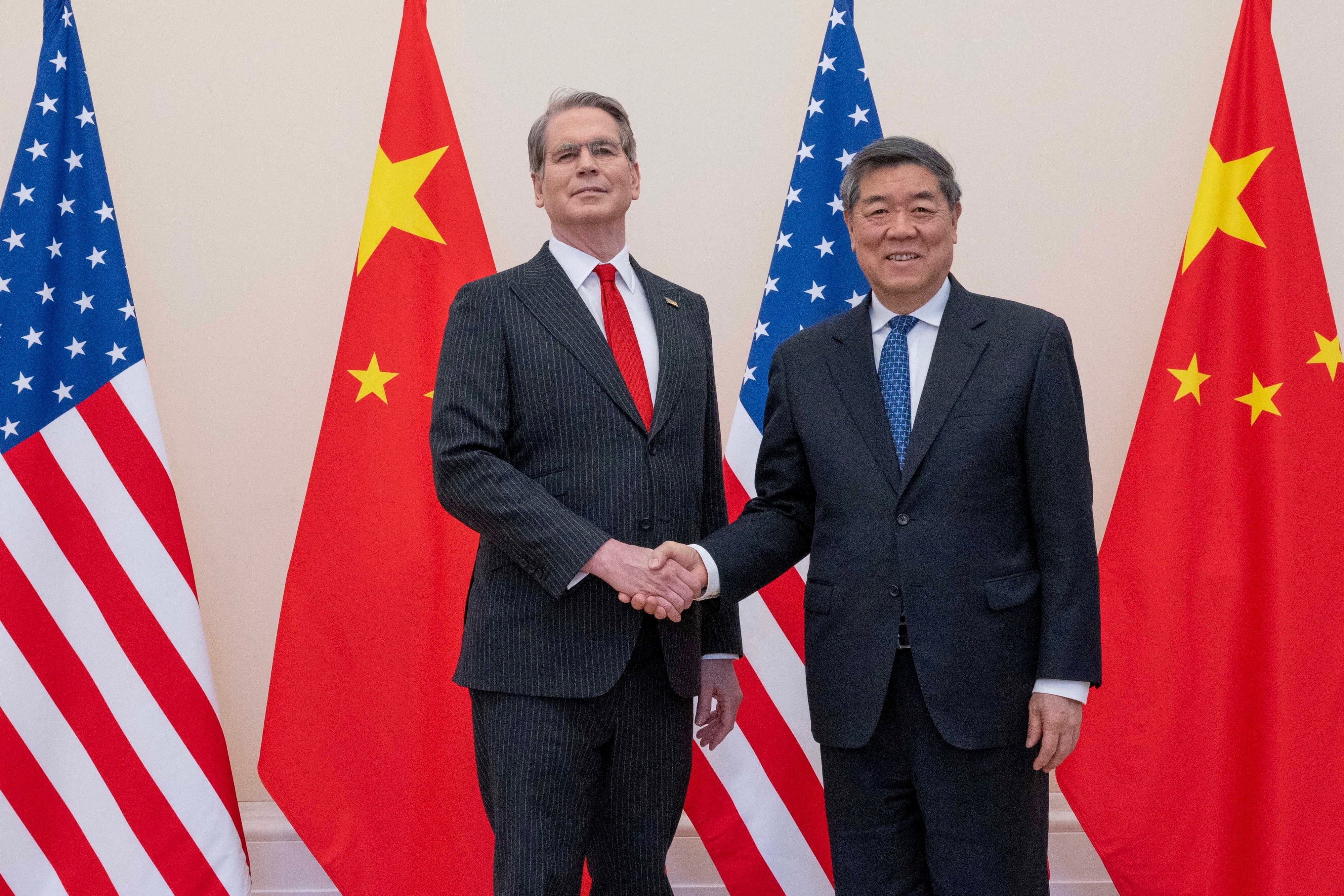
Quick answer: U.S. Treasury Secretary Scott Bessent said Sunday, September 20, that the United States proposed a new notification mechanism with China for AI incidents that could rise to a national-security level. The proposal emerged from New York talks with Chinese Vice Premier He Lifeng ahead of President Donald Trump’s planned meeting with Chinese President Xi Jinping in Washington. The available reporting describes a proposal and continuing dialogue, not a signed AI treaty or an agreement to pause AI development.
What was proposed?
Bessent said the two sides discussed a U.S.-China AI dialogue focused on common goals and common threats, including a mechanism for notifying one another about AI-related incidents that reach a national-security threshold. Reuters reported that the Chinese response to the specific proposal was not clear, while Chinese state media confirmed that AI was discussed.
What the mechanism does not mean
There is no evidence in the current reporting that the proposal creates a binding treaty, establishes a joint AI regulator, or stops either country from developing advanced AI. It is better understood as a communication channel intended to reduce the risk that a serious AI incident could be misunderstood as a hostile act.
Why national security is central
AI systems can intersect with cybersecurity, critical infrastructure, military decision-making and other sensitive areas. U.S. and Chinese experts have previously discussed crisis communication and safeguards around autonomous AI risks.
What happened in the New York talks?
The AI discussion was part of wider U.S.-China economic negotiations. Bessent and He also discussed trade issues, while U.S. Trade Representative Jamieson Greer said the countries were working to operationalize a proposed “Board of Trade” for selected nonsensitive goods. Potential categories mentioned by U.S. officials included consumer goods, agriculture, energy and medical devices.
Why this matters
The practical value of the proposal depends on whether both governments eventually agree on definitions, notification thresholds, contacts, verification and procedures for incidents. Those details have not yet been publicly settled. The most important distinction is therefore between a proposed communication framework and a completed international agreement.
What to watch next
- Whether Washington and Beijing formally establish the AI dialogue.
- Whether China publicly accepts, modifies or rejects the proposed notification mechanism.
- Whether the Trump-Xi meeting produces a written AI-safety commitment.
- Whether trade and AI discussions remain separate or become linked in future negotiations.
Frequently Asked Questions
Did the U.S. and China sign an AI safety treaty?
No. Current reporting describes a U.S. proposal and continuing dialogue, not a signed treaty.
What would the notification mechanism cover?
Bessent described it as covering AI incidents that rise to a national-security level.
Was China’s response publicly confirmed?
Reuters reported that the specific Chinese response was unclear, although Chinese state media confirmed that AI was discussed.
When are Trump and Xi expected to meet?
Current reporting says the leaders are expected to meet in Washington on Thursday, September 24, 2026.
Sources: Reuters and Associated Press.
Author: Shivam Das