

The Kelly Clarkson and Art of Play dispute has become more than a disagreement about a mechanical singing bird. It is now a test of how celebrity influence, social-media speed, and incomplete evidence can shape public opinion before anyone outside the room knows exactly what happened.
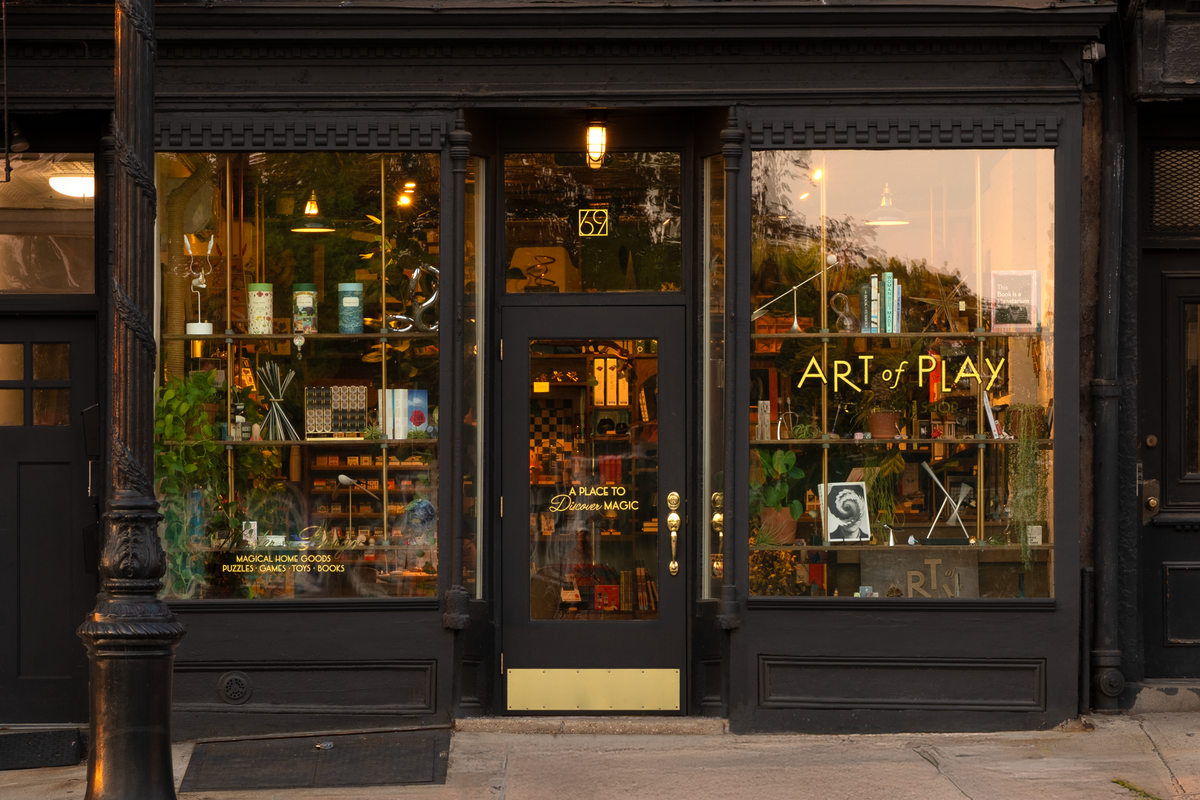
Clarkson said her October 10 visit to the Brooklyn curiosity shop left her feeling dismissed when she asked about a singing bird called Molly. Art of Play disputed her account, saying Molly is a fixture used in its magic shows and is not for sale, while a similar automaton could be obtained from its creator. The two sides have offered competing descriptions of the conversation. The security video that has circulated shows a brief visit but has no audio, so it cannot settle the key question of what was said or how it sounded. The Los Angeles Times’ timeline and ABC News’ report on the silent footage provide useful context.
The short answer: nobody can credibly declare a winner yet. Clarkson’s post made the store instantly recognizable, but the resulting pile-on also raised questions about how much responsibility public figures have when naming a small business to millions of followers. The store’s response added context, but it cannot prove every detail of the interaction either.

How the Kelly Clarkson and Art of Play story became a narrative battle
Clarkson’s first-person account travelled quickly because it was simple, emotional, and familiar: a customer felt judged in a shop. Her comparison to the movie Pretty Woman gave audiences an instantly recognizable frame. The store then offered a different explanation: Molly was a special display piece, and staff say they discussed other options. Clarkson challenged that version and pointed to a price tag she said supported her recollection.
That is the central tension. Each side is describing the same short encounter through a different lens. A price label may show that a price was displayed at some point; it does not, on its own, establish the full conversation. Silent surveillance footage can show movement and timing; it cannot reveal tone, exact words, or intent. Treating either fragment as a complete verdict goes further than the available evidence allows.
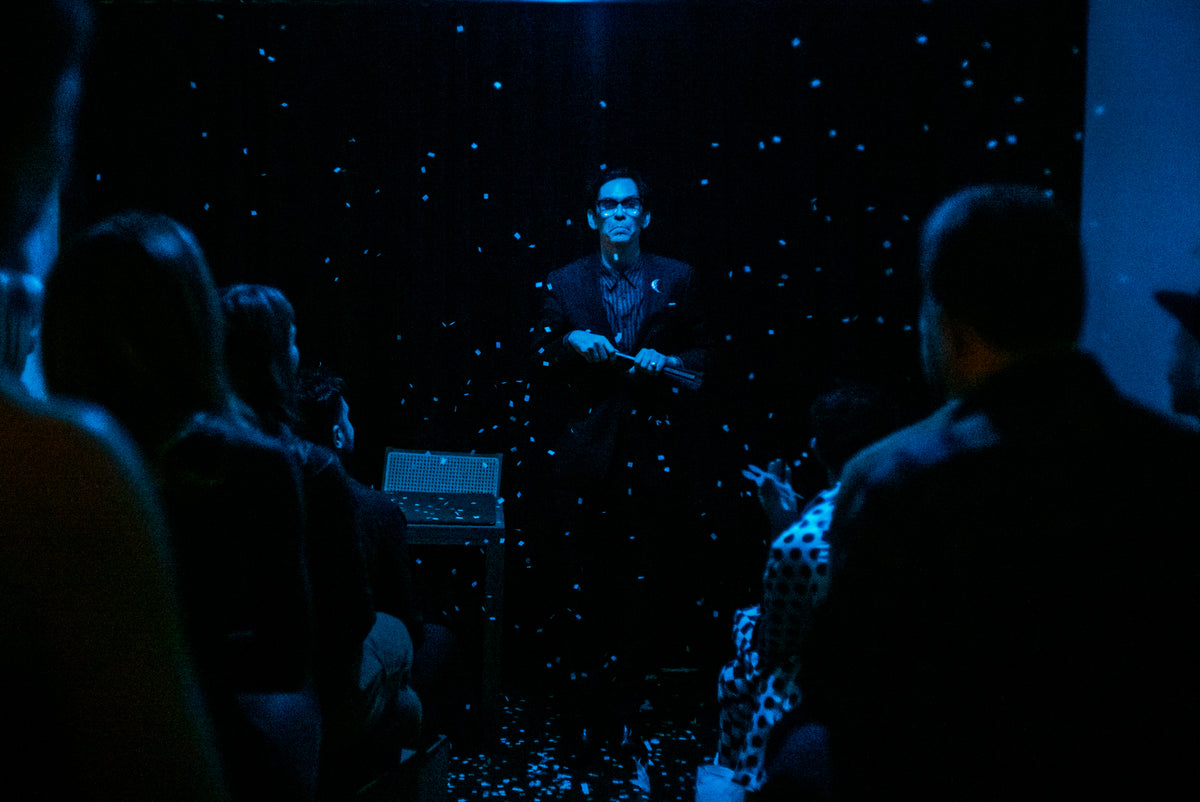
Who is winning the online narrative?
Kelly Clarkson: a powerful first-person account, but not the whole record
Clarkson had the advantage of telling the story first from her own perspective. Followers understand the feeling of being talked down to, and her celebrity gives the complaint extraordinary reach. But naming a small business in an angry post can trigger consequences far beyond ordinary customer feedback. The attention may be deserved scrutiny, disproportionate backlash, or a mix of both; reach alone does not determine which.
It is also important not to confuse criticism of a public post with proof that the original complaint was false. Clarkson can sincerely have felt disrespected even if the employee believed they were explaining an item’s availability. Both possibilities can coexist until stronger evidence clarifies the exchange.
Art of Play: context helps, but a response cannot erase the first impression
The store’s explanation gave the public more detail about Molly, the bird automaton, and the possible alternatives. Its co-owner has also described the backlash as frightening and harmful to the business. Those concerns deserve to be taken seriously: criticism is legitimate, but threats, doxxing, harassment, and review attacks are not a reasonable substitute for evidence.
At the same time, a business statement is also one side’s account. A careful reader should evaluate the store’s explanation with the same standards applied to Clarkson’s post. The most defensible conclusion is narrower than either side’s strongest rhetoric: a disagreement happened, the accounts conflict, and the available silent footage cannot adjudicate the conversation.
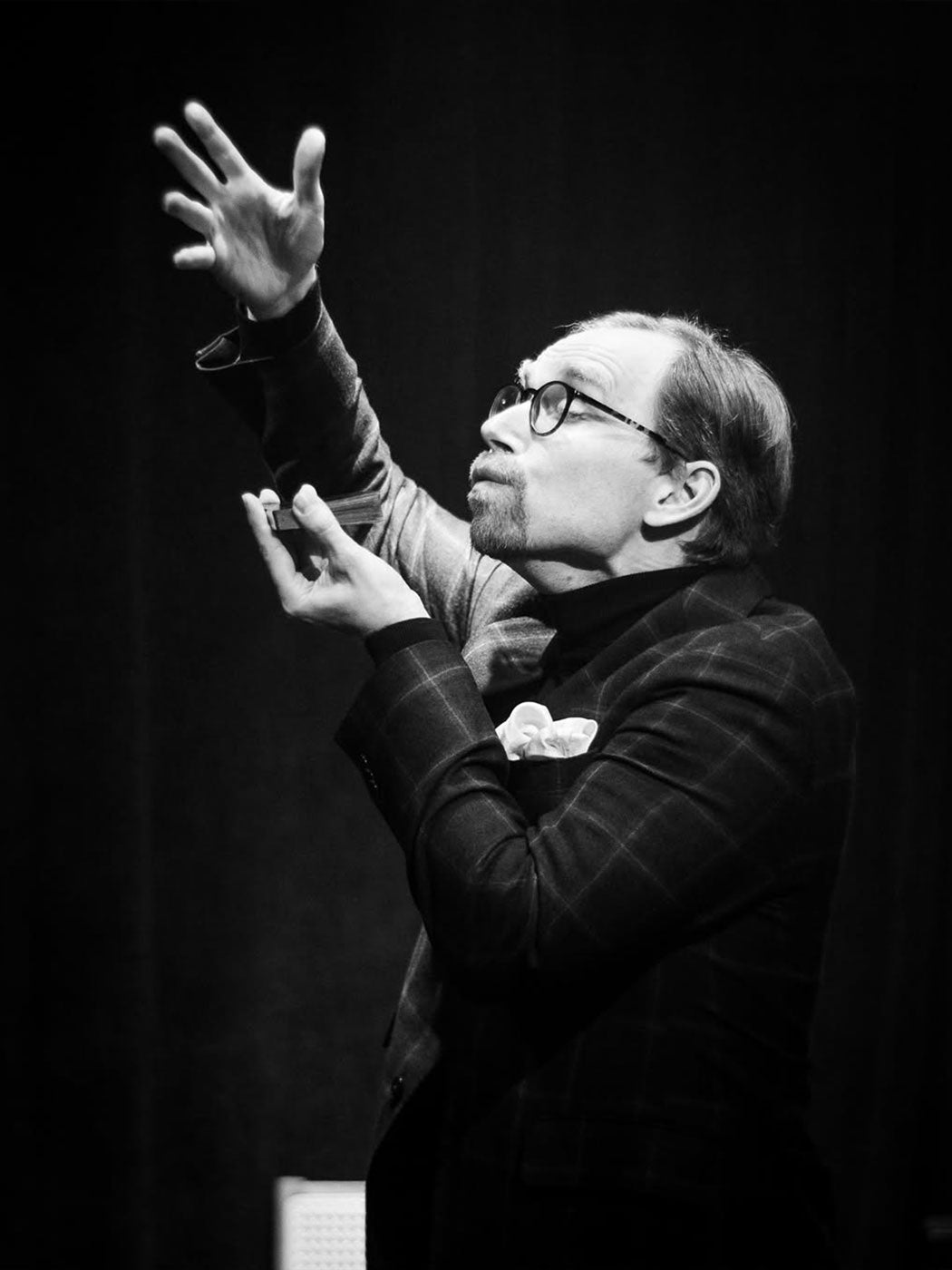
Why the silent CCTV video did not settle the feud
Video feels authoritative because viewers can watch an event rather than read a description. Yet the absence of sound is a major limitation in a dispute about tone and language. The footage can help establish that Clarkson visited, looked at items, interacted briefly with staff, and left. It cannot independently establish whether an employee sounded condescending, whether a price was explained clearly, or whether either party misunderstood the other.
This is a useful media-literacy lesson: evidence can be real and still be incomplete. A clip may answer one question while leaving the central question unanswered. For more on that distinction, read our report on what silent security footage can—and cannot—show.
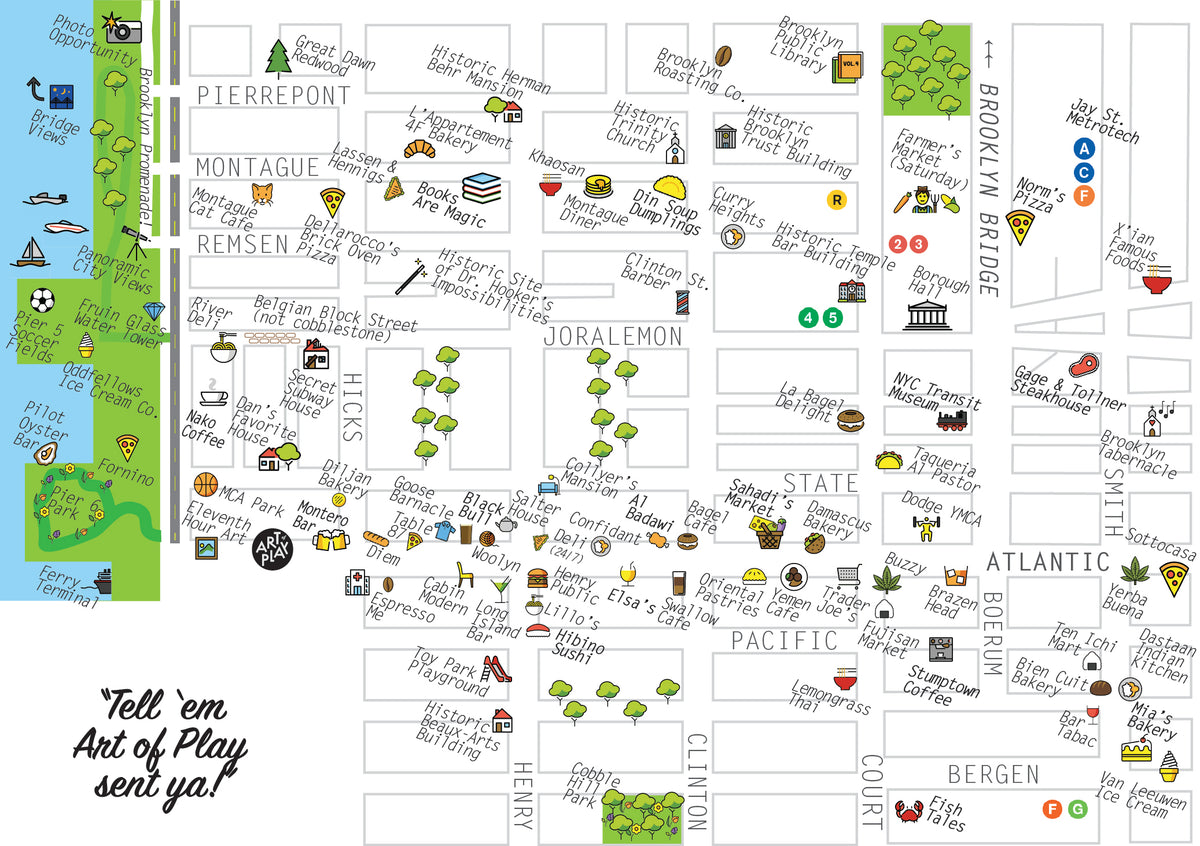
The bigger issue: celebrity reach versus a small business
A celebrity has every right to describe a bad experience. A small business has every right to answer criticism and explain its policies. The imbalance comes from scale: a public figure’s post can reach millions before a local shop has time to respond, while a flood of hostile comments or ratings can affect employees who were not part of the original conversation.
The public also has a role. It is reasonable to ask questions, compare statements, and decide where to spend money. It is not reasonable to treat an allegation as a licence to threaten workers or publish private information. The fairest approach is to separate three things: what each side says happened, what independently available evidence establishes, and what remains unknown.
What happens next?
The story could cool if both sides stop escalating publicly and communicate directly. It could also continue as new interviews, posts, or footage circulate. Unless new evidence provides sound, a reliable firsthand account, or documentation that clarifies the disputed exchange, claims about exactly what was said should remain attributed rather than presented as settled fact.
For readers following the latest developments, see People’s report on the store owner’s latest comments and Business Insider’s breakdown of what the CCTV footage does and does not show. We will distinguish confirmed facts from claims as more information becomes available.
Frequently asked questions
What is the Kelly Clarkson and Art of Play feud about?
Clarkson said she felt dismissed while asking about a mechanical singing bird named Molly at the Brooklyn shop. Art of Play says Molly is a display fixture and that staff discussed alternatives. Their accounts of the interaction differ.
Does the security footage prove who is telling the truth?
No. The widely reported footage has no audio. It shows part of the visit but cannot establish the exact words or tone of the conversation.
Was Molly really listed for $15,000?
Clarkson posted a photo she said showed a $15,000 price tag. The store’s explanation is that Molly herself was not for sale, while a similar automaton could be obtained from the artist. The price-tag image alone does not resolve the full disagreement.
Who is winning the Kelly Clarkson online controversy?
There is no objective winner. Clarkson brought attention to her complaint, while Art of Play’s response broadened the discussion to celebrity influence and the impact of online backlash on small businesses. The facts about the original conversation remain disputed.
Is it fair to criticize a business after a celebrity post?
Consumers can share honest experiences and ask questions, but threats, doxxing, and coordinated harassment are harmful and do not help establish what happened. It is best to judge the evidence rather than join a pile-on.
Reporting note: This article separates the public statements made by Kelly Clarkson and Art of Play from what the available silent footage can establish. It will be updated if credible new evidence changes the record.
Kelly Clarkson’s October 11 post responding to Art of Play’s explanation.
— Kelly Clarkson (@kellyclarkson) October 11, 2026


