

Quick answer: Critics have compared Netflix’s Below with Widow’s Bay because both mix an isolated coastal community, eccentric locals, supernatural danger, and uneasy humor. However, I could not verify “more Scooby-Doo than Widow’s Bay” as a direct quote from a named reviewer. It is better treated as a description of the show’s pulpy, creature-feature side—not a confirmed critical consensus.
A catchy comparison can help viewers understand a show’s tone, but it should not be presented as a critic’s exact wording unless the source supports it. The more useful question is whether Below balances small-town oddness and sea-monster horror, or whether its pulpy premise sometimes tips into cartoonish territory.
Why Below and Widow’s Bay invite comparison
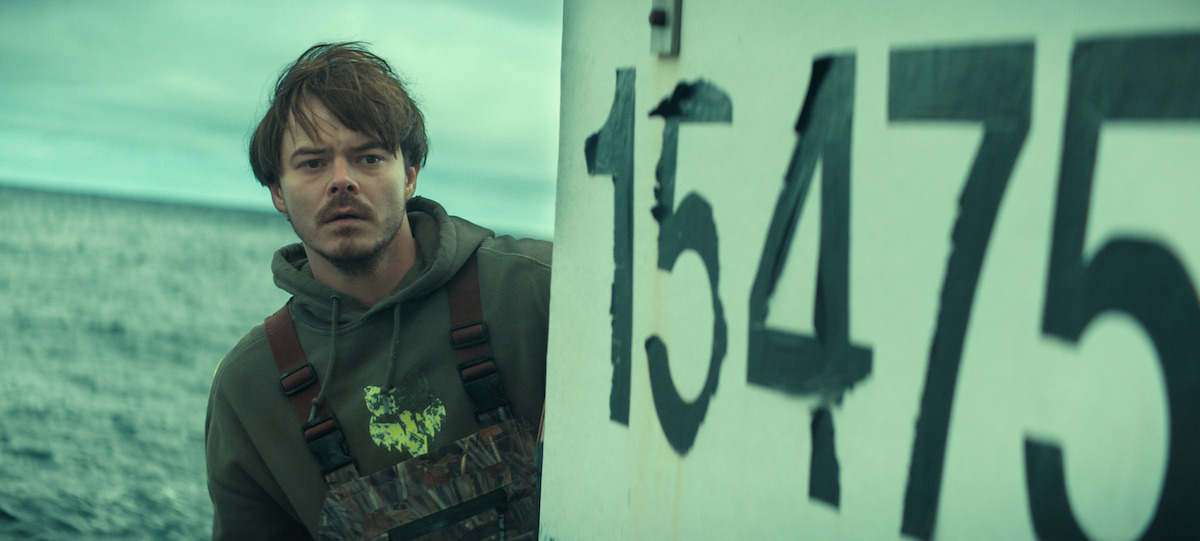
At first glance, the shows share a strong genre hook: a remote seaside community becomes a pressure cooker when strange events disrupt everyday life. In Below, Josh Hartnett plays fisherman Calvin Penney, whose family and town face a mysterious creature from the water. Widow’s Bay, by contrast, centers on a New England island whose residents live amid eerie folklore and possibly supernatural disturbances.
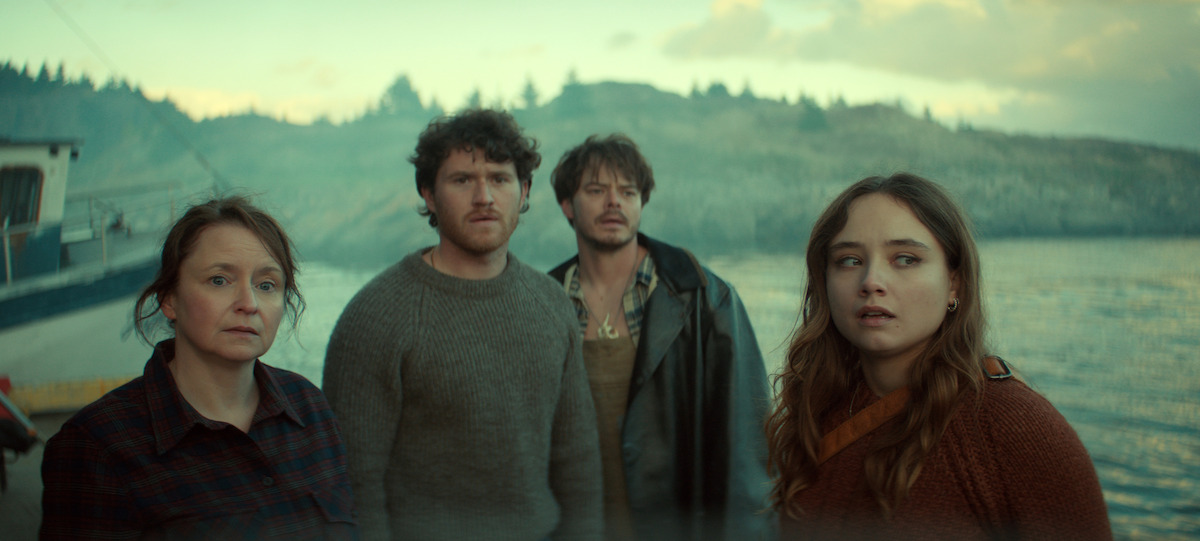
The similarity is not that the stories are identical. Both use the local community as more than background scenery: habits, grudges, beliefs, and eccentric personalities become part of the suspense. The A.V. Club described Below as a potential next watch for fans of Widow’s Bay, highlighting its quirky community, Lovecraftian threat, and blend of climate concerns with creature-feature fun. Read The A.V. Club’s review.
Where the Scooby-Doo comparison comes from
Calling a horror mystery “Scooby-Doo-like” usually says more about its structure and tone than its literal content. The phrase can suggest eccentric characters, clues that lead from one suspicious encounter to another, and a threat that becomes more complicated than it first appears. It can also imply a knowingly pulpy or playful approach to danger.
That is one possible way to describe parts of Below, but it is not a verified quote from the reviews checked for this article. The available criticism more clearly invokes Widow’s Bay for its isolated community and strange local texture, and classic creature features for the escalating threat. Decider points to small-town character work and monster-movie suspense, also comparing the series’ feel to Fortitude and Tremors. Read Decider’s review.
The useful question, then, is whether eccentric residents and strange clues make the horror more entertaining—or reduce the sense of genuine danger. Viewers who enjoy tonal shifts may see that mix as a strength. Those who want unbroken dread may find the comic oddness distracting.
Below is more than a monster-of-the-week setup
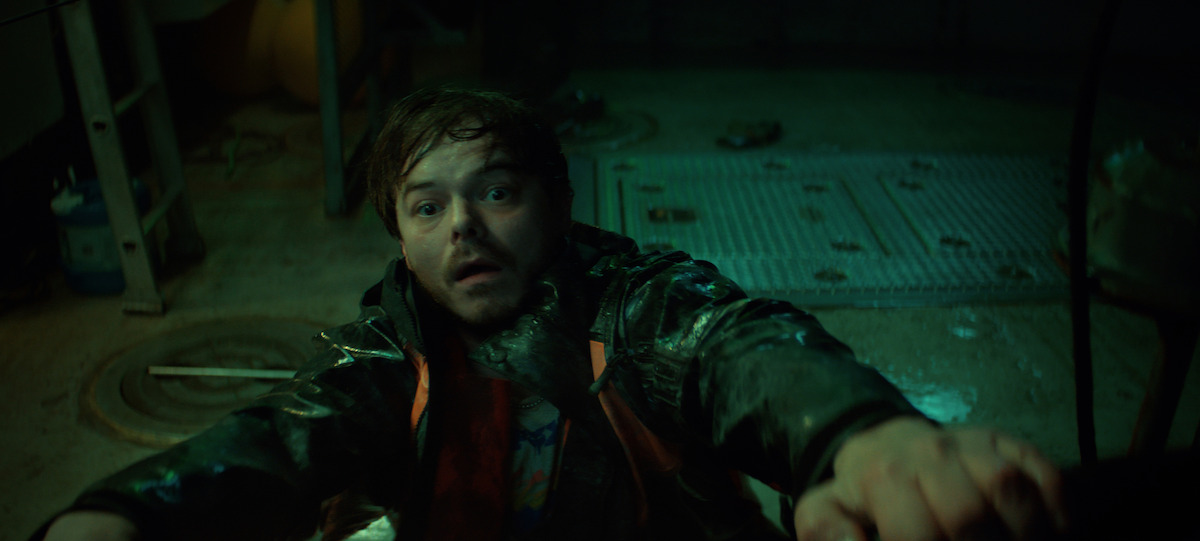
Netflix describes Below as a story about a fisherman trying to protect his family and a coastal town threatened by a mysterious sea creature. It also explores community survival, family strain, and a way of life under pressure. Those elements give the series a different center of gravity from a purely puzzle-driven mystery.
Both shows rely on place and local character, yet Below puts physical survival and the economic future of a Newfoundland fishing community at the heart of its story. The Financial Times’ review also situates the series in the shadow of Widow’s Bay, while weighing how successfully it distinguishes itself. Read the Financial Times review.
How Below compares with Widow’s Bay on tone
1. The community is part of the mystery
In both series, the setting shapes how people react to the unexplained. Local loyalties and long memories can be as important as the supernatural threat, making the towns feel inhabited rather than interchangeable.
2. Humor can sharpen—or soften—the fear
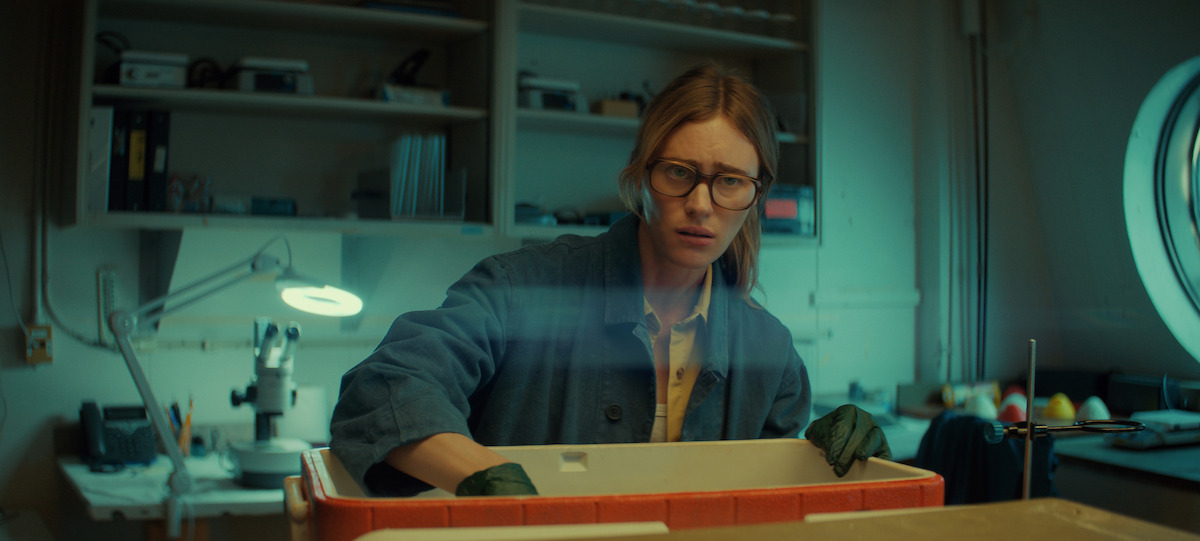
Odd characters and awkward exchanges can make a frightening story feel more believable. But humor changes expectations: if a scene feels too playful, a sudden attack may land as spectacle rather than shock. The “Scooby-Doo” shorthand captures that tonal risk, even though it should not be attributed to a reviewer without a source.
3. The monster is not the only source of pressure
Below also explores family conflict, economic insecurity, and the struggle to keep a community intact. Those concerns give the creature threat a human context. The show’s success depends on whether viewers find that combination compelling rather than overstuffed.

What reviewers actually say
The reviews checked support a comparison between Below and Widow’s Bay, but they do not establish “more Scooby-Doo than Widow’s Bay” as a recurring critic quotation. The A.V. Club emphasizes quirky local personalities and Lovecraftian creature-feature elements. Radio Times highlights the Newfoundland setting, the series’ six-part length, and its mix of suspense, gore, family tensions, and community themes. Read Radio Times’ review.
A comparison can be a useful interpretation without being a quote. If a viewer describes Below as “Scooby-Doo-like,” they may mean its strange clues, eccentric townspeople, and creature-driven chaos feel playful. Another viewer may see those same qualities as part of a deliberate horror-comedy blend.
For the official premise, cast details, and series information, consult Netflix’s official Below page and Netflix Tudum’s cast and production guide.
Watch the official Below trailer
The trailer gives a clearer sense of the series’ balance between coastal atmosphere, family drama, and creature-feature spectacle.
Frequently asked questions
Did a reviewer actually call Below “more Scooby-Doo than Widow’s Bay”?
I could not verify that exact wording in the reviews checked. Reviews compare Below with Widow’s Bay, but the Scooby-Doo phrase should be treated as an interpretive shorthand unless a specific source is produced.
Why is Below compared with Widow’s Bay?
Both series mix an isolated coastal setting, eccentric local characters, strange events, and supernatural or monster-related danger. Their tone blends suspense with moments of oddness and humor.
Is Below a comedy or a horror series?
Below is marketed as a thriller and combines creature-feature horror with family drama, local character, and darkly comic moments. How funny or frightening it feels depends on the viewer’s response to that mix.
Who stars in Below?
The series stars Josh Hartnett, Mackenzie Davis, and Charlie Heaton. Netflix’s official listing provides the full cast and episode details.
Where can I watch Below?
Below is available on Netflix. Check the official Netflix title page for current availability in your region.
Bottom line
The comparison between Below and Widow’s Bay makes sense: both turn a remote coastal community into a character of its own and let supernatural danger disrupt ordinary life. The Scooby-Doo comparison can describe the show’s more eccentric, pulpy side, but the exact phrase is not verified as a reviewer quote. The fairest takeaway is that Below plays in the space between eerie small-town mystery and unabashed creature-feature entertainment—and whether that balance works is the real debate.
Author: Shivam Das


