

Spoilers ahead for the Netflix finale of Below.
Below ends with two very different feelings: Calvin Penney finally makes peace with the trauma that shaped his life, while the last glimpse of more icebergs warns that Snook’s Arm may not be safe for long. The finale gives the family and the town a measure of closure, but leaves the larger environmental threat unresolved. That balance helps explain why some viewers found the ending moving and others wanted a more frightening, less neatly explained monster mystery.
What happens at the end of Below?
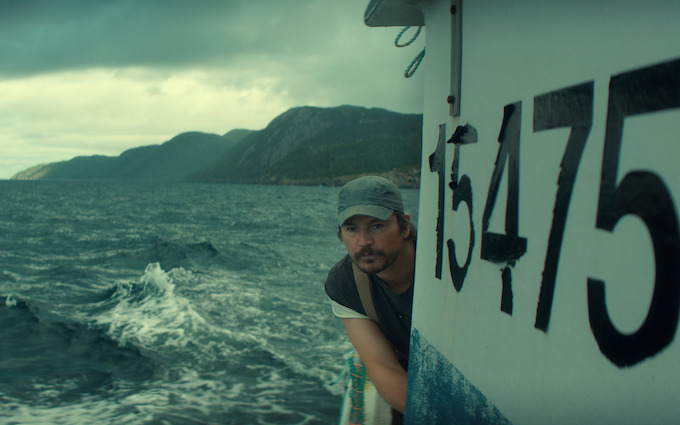
In the finale, Calvin (Josh Hartnett) and Wade (Charlie Heaton) learn that Mudder, the giant sea creature, is trying to protect an egg sac trapped in an iceberg. The water is too warm for the eggs to survive, and the creature’s increasingly violent behavior is linked to that crisis. Marine biologist Fonda Howander (Mackenzie Davis) helps Calvin understand that Mudder is not simply an evil monster: she is a parent trying to protect her young.
The more human threat is the Crocker family. Their plan to force residents out of Snook’s Arm is connected to valuable minerals beneath the community. The danger surrounding Mudder gives the Crockers cover to push an evacuation and take control of the land. This reveal changes the meaning of the story: the creature is dangerous, but corporate greed is also threatening the town’s future.
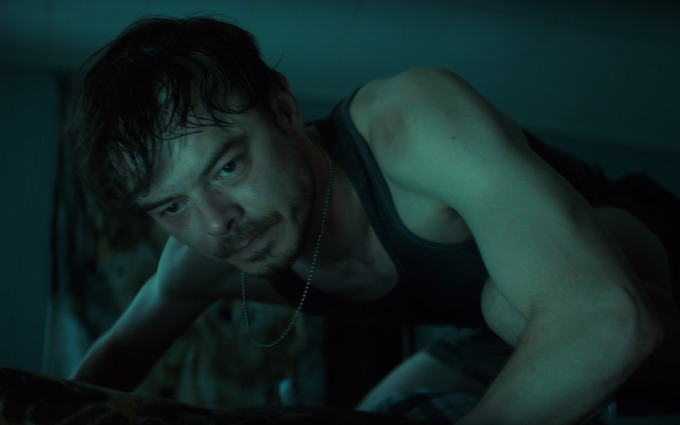
Rather than allow the military to destroy Mudder, Calvin helps move the creature and the iceberg containing her eggs into deeper water. The action echoes his childhood trauma: he once cut a rope to save his family when their house was dragged into the ocean. This time, cutting the line is a conscious act of mercy and protection, not a desperate decision made in fear.
Snook’s Arm begins to recover, the resettlement vote is overturned, and the Penney family is reunited. Yet the ending is not completely happy. The Crockers may return, the climate remains unstable, and several more icebergs appear in the final moments. The immediate crisis has been addressed, but the world that produced it has not changed.
Why some viewers found the finale satisfying
Calvin’s guilt finally has an answer
Calvin has spent much of his life believing that he caused his father’s death and that misfortune follows him. The truth helps him understand that he was a frightened child trying to save the rest of his family from an incomprehensible danger. His choice to save Mudder brings that emotional journey full circle. The creature once represented his guilt; now he recognizes a parent doing what she can to protect her children.
The monster becomes more than a target
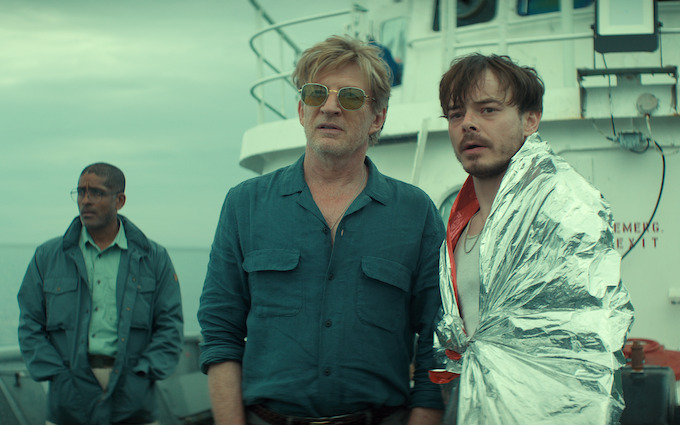
The reveal about Mudder supports the series’ environmental theme. The show asks viewers to reconsider a threat after they learn what is driving it. That does not make the creature harmless; it changes the question from “How do we kill it?” to “Is there a way for people and the creature to survive?” Netflix’s official ending explainer says the last iceberg image points toward a world that may become stranger and more dangerous as the climate changes.
Why other viewers were frustrated
The mystery loses some of its power
Early episodes build tension through unexplained attacks, strange behavior, and the sense that the ocean hides something impossible to understand. As the series explains Mudder’s biology, the egg sac, and the contaminated ice, some of that uncertainty disappears. Viewers who came primarily for slow-building creature horror may feel the story becomes less eerie once the answers arrive.
Too many storylines compete for the final episode
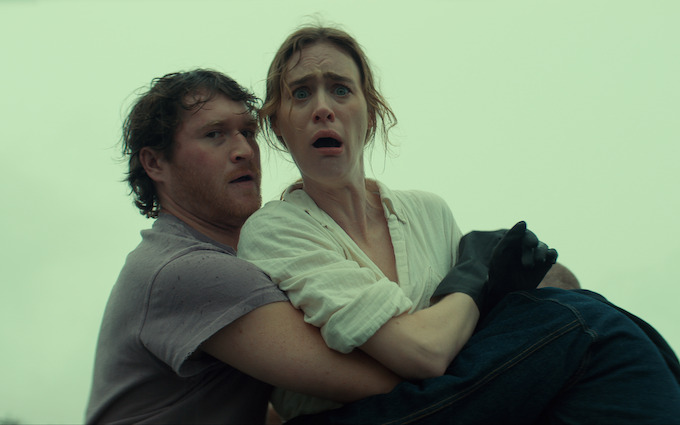
The finale has to resolve Calvin’s guilt, Wade’s relationship with Maggie, the Crockers’ scheme, the evacuation, Fonda’s discovery, and Mudder’s threatened eggs. Those threads connect thematically, but the number of revelations can make the final act feel crowded. Some viewers may want more time with the family or the monster instead of moving quickly between plot resolutions.
Reviews reflect that divide. Ready Steady Cut described the ending as satisfying while noting that it leaves room for more. TheWrap found the conclusion mostly satisfying on character grounds, while noting that the show’s storylines can pull in different directions. The Daily Beast was far more critical, arguing that the series loses its way as the plot develops.
What does the final iceberg scene mean?
The final shot is intentionally unresolved. Calvin has helped Mudder reach deeper water, but the other icebergs suggest that the first encounter may not be isolated. Earlier, icebergs represented possible income for a struggling fisherman; by the end, they signal secrets and risks he cannot predict. The image leaves room for another story without confirming a second season.

Is Below’s ending good or bad?
The fairest answer is that the ending is emotionally conclusive but deliberately unsettling. It gives Calvin a chance to move beyond guilt, reunites his family, exposes the Crockers’ scheme, and offers Mudder a chance to survive. At the same time, it leaves the climate threat and the Crockers’ future influence unresolved.
If you watched for Calvin’s family story and the show’s environmental ideas, the finale offers a strong emotional payoff. If you wanted sustained monster-horror tension, the explanations and shift toward an ecological fable may feel less satisfying. Both responses make sense: Below is trying to be a family drama, a corporate conspiracy, and a creature feature at once.
Frequently asked questions
Does Mudder die at the end of Below?
Calvin helps move Mudder and the iceberg containing her egg sac into deeper water rather than letting the military destroy her.
Does Below have a happy ending?
It is hopeful for Calvin and Snook’s Arm, but the final iceberg reveal and continuing climate danger keep the ending uncertain.
Does the ending confirm Below Season 2?
No. The ending leaves room for another story, but an open ending is not an official renewal. Check Netflix’s official Below page for updates.
Why are viewers divided about the Below finale?
Some appreciate Calvin’s emotional resolution and the environmental message; others prefer the early episodes’ unexplained dread and feel the finale resolves too many plotlines too quickly.
Sources
- Netflix Tudum — Below ending explained
- Ready Steady Cut — finale recap
- TheWrap — Below review
- The Daily Beast — Below review
By Shivam Das


