

To prepare for Netflix’s Below, Josh Hartnett didn’t rely on a few rehearsed phrases or a quick session with a dialect coach. He listened to a real Newfoundland radio program every day: The Broadcast, the long-running CBC show once known as The Fisheries Broadcast. Hartnett said the program helped him hear the rhythm of local speech while also teaching him about the fishing communities at the heart of the series.

In Netflix Tudum’s behind-the-scenes interview, Hartnett explained that listening to the program exposed him to different versions of the Newfoundland accent. He also learned about the pressures that have shaped fishing families and coastal towns. The detail matters because Below is not only a creature thriller: it is also a story about a community whose livelihood, identity, and future are tied to the sea. Read Netflix Tudum’s interview with Hartnett.
What is The Broadcast?
The Broadcast is a CBC Radio program focused on people and communities whose lives are connected to Newfoundland and Labrador’s ocean-based industries. It began in 1951 as The Fishermen’s Broadcast, later became known as The Fisheries Broadcast, and was officially renamed The Broadcast in 2015. Its long history makes it a window into the region’s working waterfront—not just a source of local voices.
The program’s subject matter made it especially useful for Hartnett. Instead of learning the accent from a handful of scripted lines, he could hear people talking about real work, local events, and everyday concerns. That kind of listening gives an actor a wider sense of cadence, emphasis, vocabulary, and conversational rhythm.
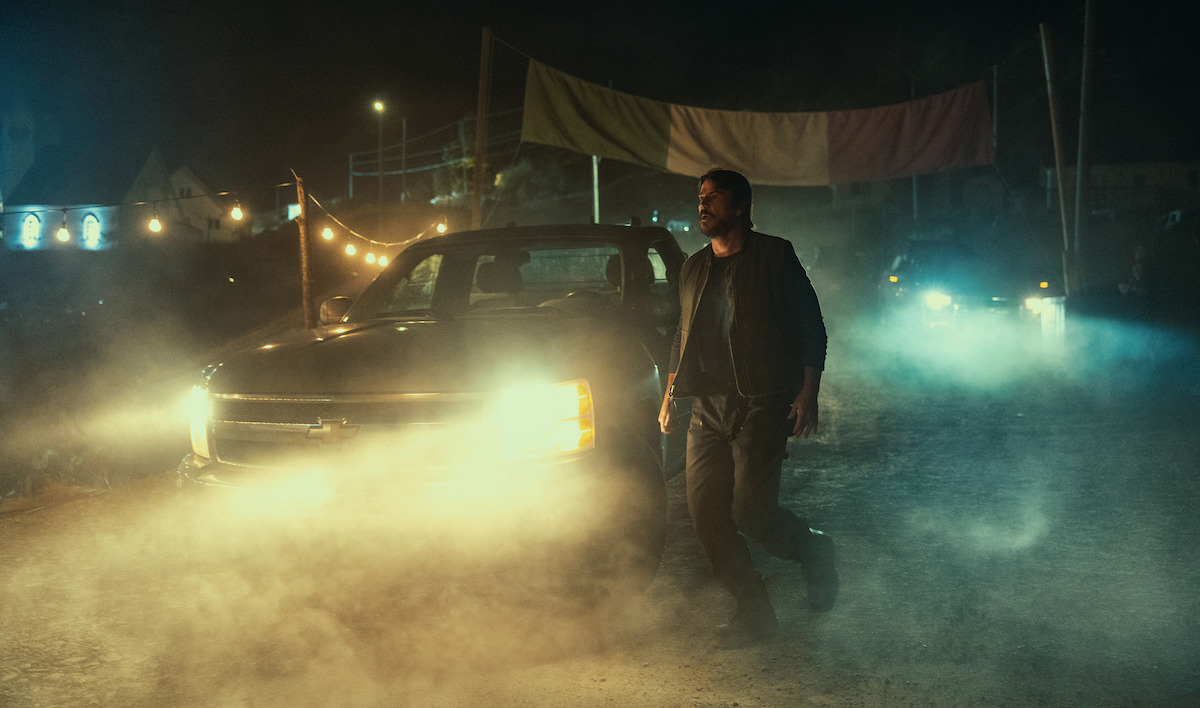
Listen to the program yourself: CBC’s official page for The Broadcast is the best place to find its live stream and available episodes. The show’s current programming can change, so check CBC’s page for the latest schedule and listening options.
Why the Newfoundland accent was difficult to master
Newfoundland and Labrador is not linguistically uniform. The province contains distinct regional accents, shaped in part by settlement patterns and generations of community history. Netflix’s coverage notes Irish and English roots in many Newfoundland speech patterns, reflecting migration connected to the historic cod fisheries. That history helps explain why the accent can sound familiar in one moment and surprising in the next.
Hartnett told the Los Angeles Times that the hardest part was hearing the rhythm of the dialect. The challenge was not simply pronouncing individual words; it was understanding how the speech flowed and how local people sounded like themselves. A convincing performance needs that musical quality as well as the right sounds.
The accent work was a group effort
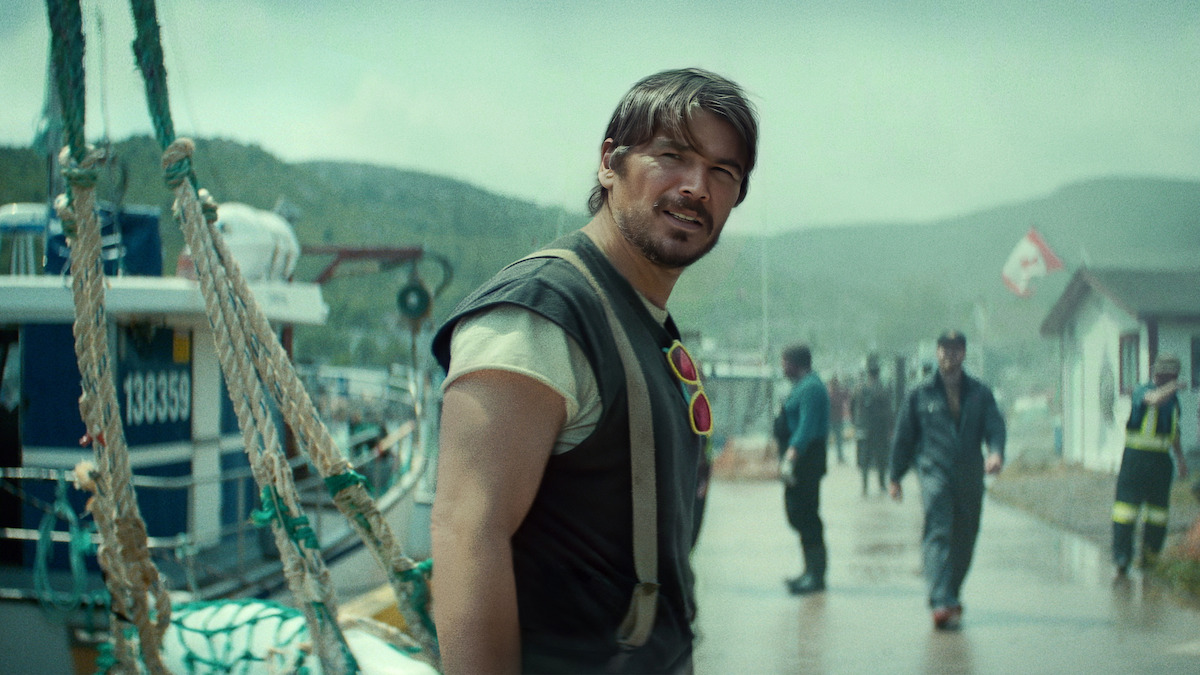
Hartnett was not working in isolation. The cast used a dialect coach and practiced together so the Penney family would sound as if its members came from the same place. Charlie Heaton, who plays Wade Penney, has also described the difficulty of figuring out which sounds and speech patterns would make sense for their fictional family. Listening to locals and working together helped the actors build a shared version of the dialect for the show.
That distinction is important: a television performance is not a documentary recording of every regional voice. Newfoundland has multiple local speech varieties, and a drama has to choose a coherent sound for its characters. The goal is to make the family believable without suggesting that every person in the province speaks exactly the same way.

Why The Broadcast helped him understand more than pronunciation
The program’s focus on fishing also offered context for Calvin Penney’s life. For generations, cod shaped Newfoundland’s economy, settlement patterns, food culture, and community identity. The collapse of northern cod stocks and the 1992 fishing moratorium caused enormous disruption for local harvesters and coastal communities. Those consequences were economic, but they were also personal: work, family traditions, and a sense of belonging were suddenly under threat.
Hartnett told Netflix that he learned how industrial overfishing and restrictions on local fishing had affected residents. Hearing people discuss the region’s work and concerns gave him more than background information for a character. It helped him understand why a fisherman might see the sea as a livelihood, a legacy, and a source of uncertainty all at once.
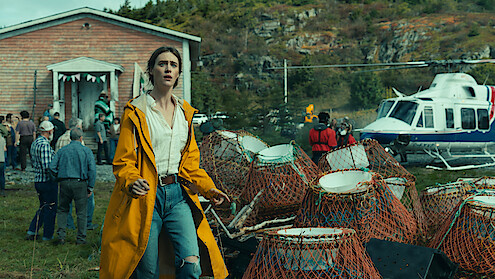
Watch the official Below trailer
Hear how the dialect fits into the show’s atmosphere and meet the characters Hartnett prepared to portray. The trailer is a preview of the fictional story; it is not an audio sample from CBC’s radio program.
Can viewers hear The Broadcast today?
Yes. CBC provides a dedicated The Broadcast listening page. Availability of individual episodes and live programming may vary by region and schedule. Listening to the show can offer a useful introduction to contemporary Newfoundland voices, though it should not be treated as a substitute for the range of local dialects across the province.
Frequently asked questions
What radio show did Josh Hartnett listen to for his Below accent?
He listened daily to The Broadcast, a CBC Radio program formerly known as The Fisheries Broadcast, which covers people and communities connected to Newfoundland and Labrador’s fishing industry and coastal life.
When did The Broadcast begin?
The program began in 1951 as The Fishermen’s Broadcast. It later became known as The Fisheries Broadcast before adopting the name The Broadcast in 2015.
Did Josh Hartnett learn the accent only by listening to the radio?
No. The radio program helped him hear everyday speech and regional rhythms, but Hartnett and his castmates also worked with a dialect coach and practiced together to create a consistent sound for the Penney family.
Where can I listen to The Broadcast?
Visit CBC Listen’s official page for the program’s current stream and available episodes.
The takeaway: Hartnett’s daily listening habit shows how detailed preparation can deepen a performance. The Broadcast gave him access to real voices and real conversations about Newfoundland’s fishing communities—context that helped him approach Calvin Penney as more than a man with a distinctive accent.
Sources
- Netflix Tudum — Josh Hartnett interview
- Los Angeles Times — Josh Hartnett and Charlie Heaton on the Newfoundland accent
- CBC Listen — The Broadcast
- Shorefast — CBC Radio’s The Broadcast on Fogo Island
By Shivam Das


