

Spoiler warning: This article discusses major story details from Netflix’s Below, including the reveal about Mudder and the finale.
At first, Below seems to promise a familiar creature-feature story: a remote Newfoundland town, unexplained attacks from the sea, and a giant squid that appears to be the source of everyone’s fear. Its most affecting twist, however, is that Mudder is not simply a monster hunting people. She is an animal reacting to danger around her offspring — and the people of Snook’s Arm have mistaken a desperate act of protection for pure aggression.
That shift changes the meaning of the central conflict. The question is no longer only how to kill a terrifying creature. It becomes: what happens when fear, self-interest, and environmental change cause a community to misunderstand the threat in front of it?
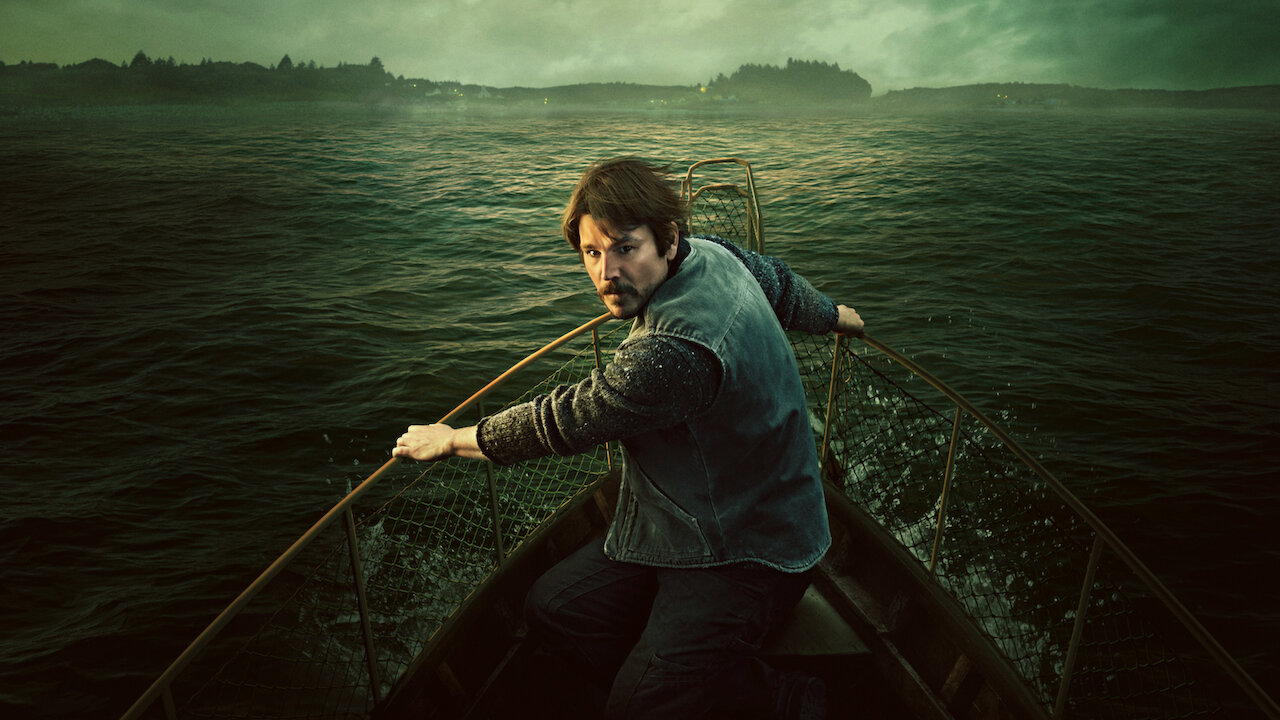
Why the giant squid reveal works
The reveal works because viewers have been encouraged to interpret Mudder through the same limited evidence available to the townspeople. People are frightened, strange symptoms are spreading, and the creature’s appearances are violent. Under that pressure, it is easy to decide that the animal is evil and that destroying it is the only sensible response.
But marine researcher Dr. Fonda Howander discovers that Mudder’s aggression is connected to an egg sac caught in an iceberg. The water is too warm for the eggs to survive, and the creature is trying to protect them. What looked like malice begins to look like an extreme response to a shrinking chance of survival.
That does not erase the harm the creature causes. People are endangered, and the town’s fear is understandable. The distinction is that danger and evil are not the same thing. Below asks the audience to hold two ideas at once: Mudder can be dangerous without being the villain the town needs her to be.
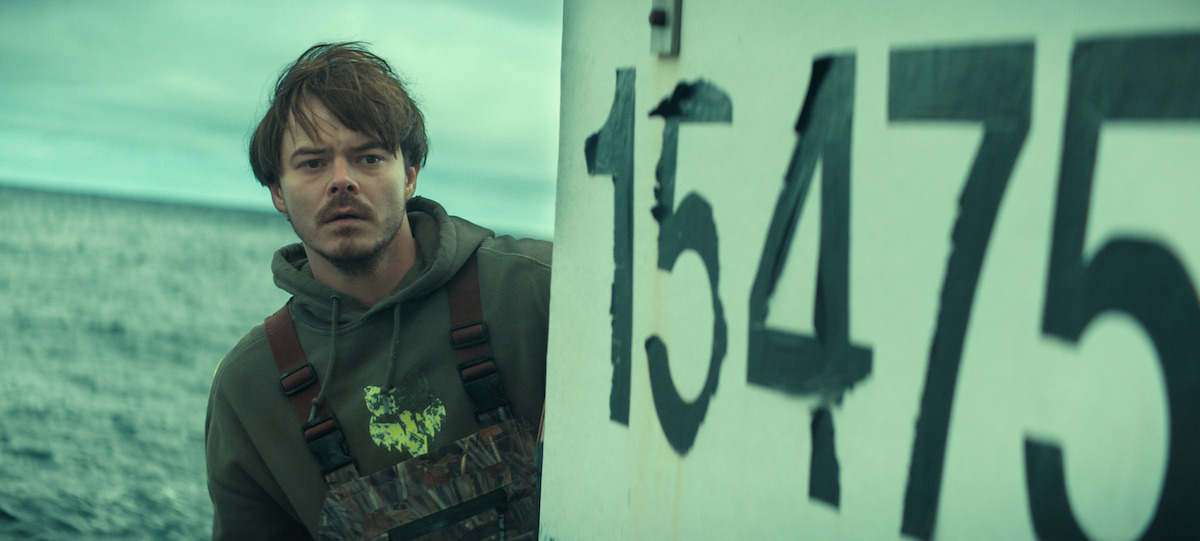
Mudder is frightening — but the show asks us to look closer
Giant squid are real animals, not inventions of horror cinema. They are elusive deep-water cephalopods, and scientists still have much to learn about their behavior in the wild. Netflix’s feature on the series consulted marine biologist Dr. Annie Mercier, who explains that real cephalopods can guard egg masses and show complex behaviors. Mudder’s scale, attacks, and story-specific biology remain dramatic inventions, however; the show is not a documentary about giant squid.
Real giant squid are not known to hunt people in the way Mudder does. Below takes an animal that is already mysterious to most viewers and builds a fictional threat around it. The biological details make the story feel plausible enough to be unsettling, while the human choices give it emotional weight.
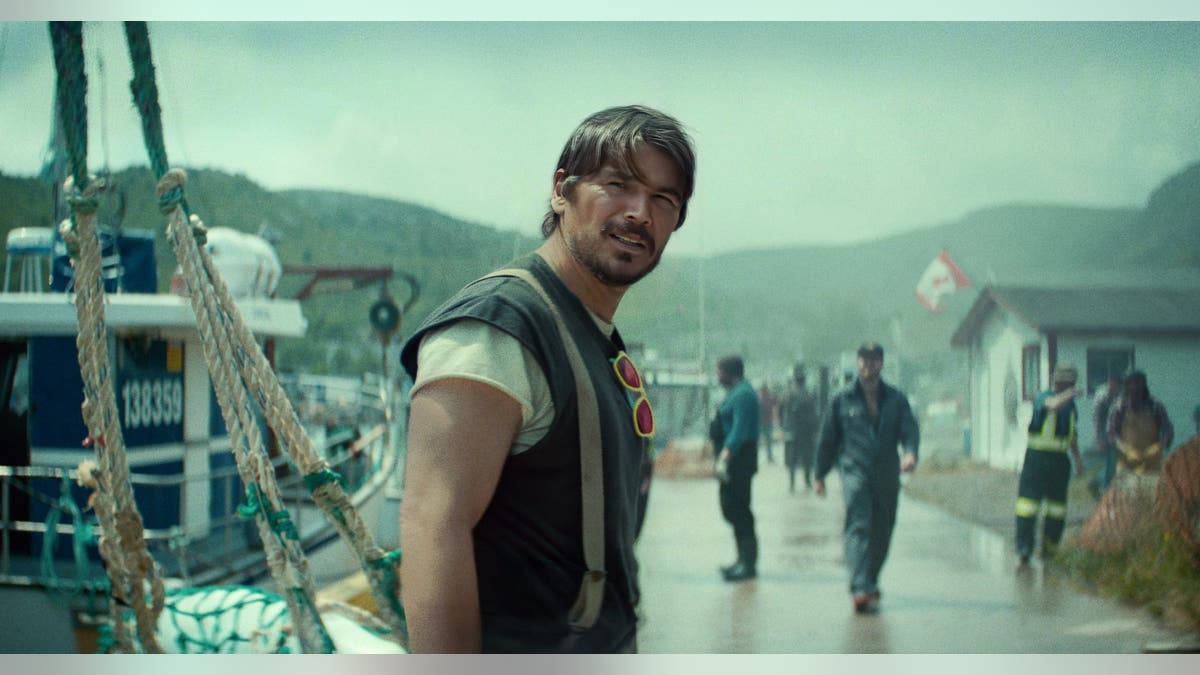
The real threat is not always the thing everyone fears
Mudder’s reveal also exposes how powerful people can exploit a crisis. While the town is focused on the creature, the Crocker family pushes a resettlement plan that would remove residents from their land and open the way for commercial interests. The monster becomes a convenient explanation for why the community should leave — and a distraction from who benefits if it does.
That is where Below moves beyond a straightforward sea-monster story. The creature is visible, strange, and easy to fear. Corporate influence and manipulation are less spectacular, but they can do more lasting damage. The series asks viewers to question not just what is frightening, but who is using that fear and what they stand to gain.
The Newfoundland setting gives this conflict a specific context. The series draws on the region’s history of resettlement, when small outport communities faced difficult decisions about leaving their homes. That history is not identical to the fictional Crocker scheme, but it gives the show’s fight over land and belonging a recognizable emotional foundation.
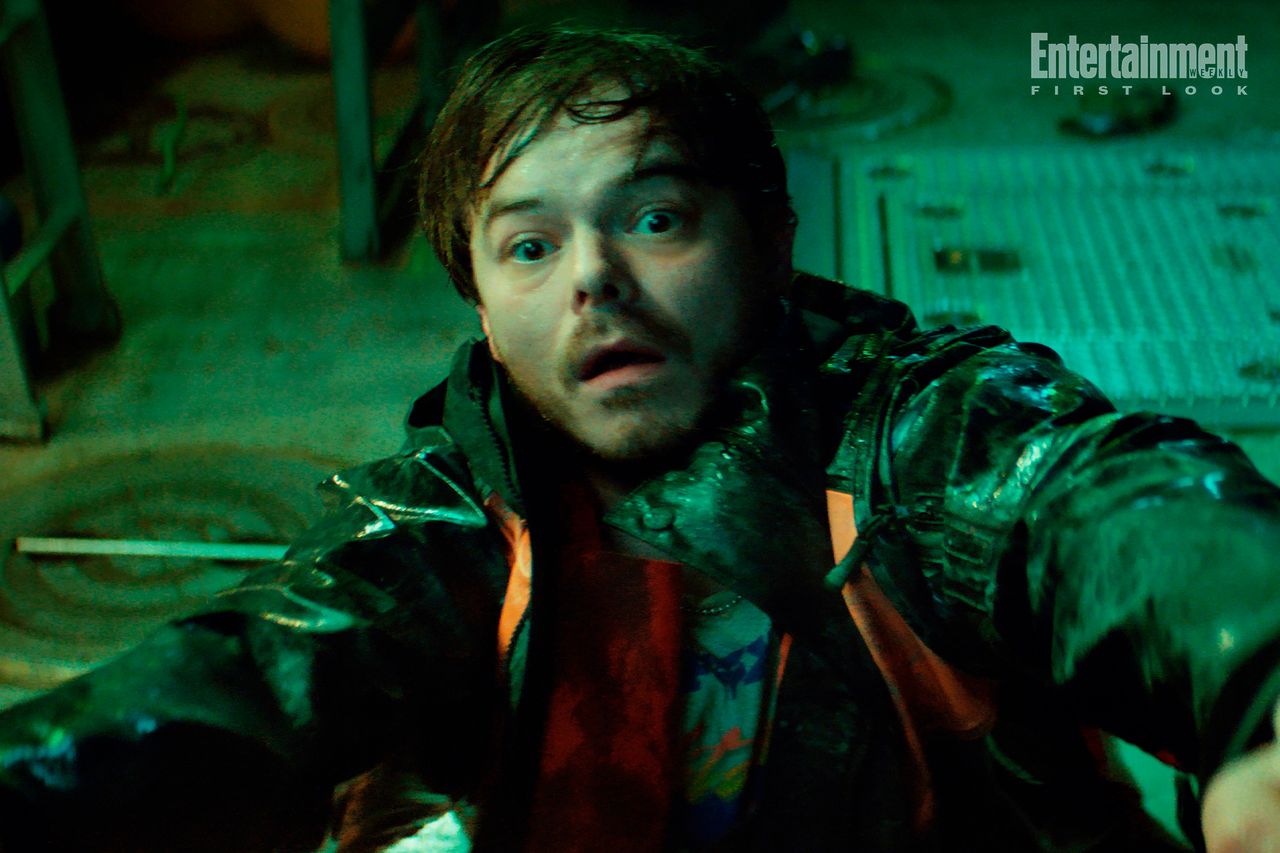
Climate change gives the twist its deeper meaning
The environmental theme is built into the plot rather than delivered as a lecture. Mudder’s egg sac is trapped in ice, and the surrounding water is too warm for the young to survive. Her behavior is tied to a changing habitat. The town’s emergency is not simply an invasion from the natural world; it is also a story about what happens when environmental conditions shift beyond what living things can tolerate.
That premise echoes real scientific concerns. Warmer ocean water can affect marine species’ ranges, physiology, food webs, and oxygen availability. The specific chain of events in Below — including the creature’s mucus, the town’s symptoms, and the contaminated ice — is fictional. The broader point that changing ocean conditions can threaten marine life is real.
The twist also complicates the idea of a simple victory. Saving Mudder from an immediate attack does not solve the warming-water problem. The finale offers a fragile reprieve rather than a neat environmental happy ending. The characters can make a better choice, but they cannot control every force shaping the world around them.
Why the ending feels more emotional than a monster defeat
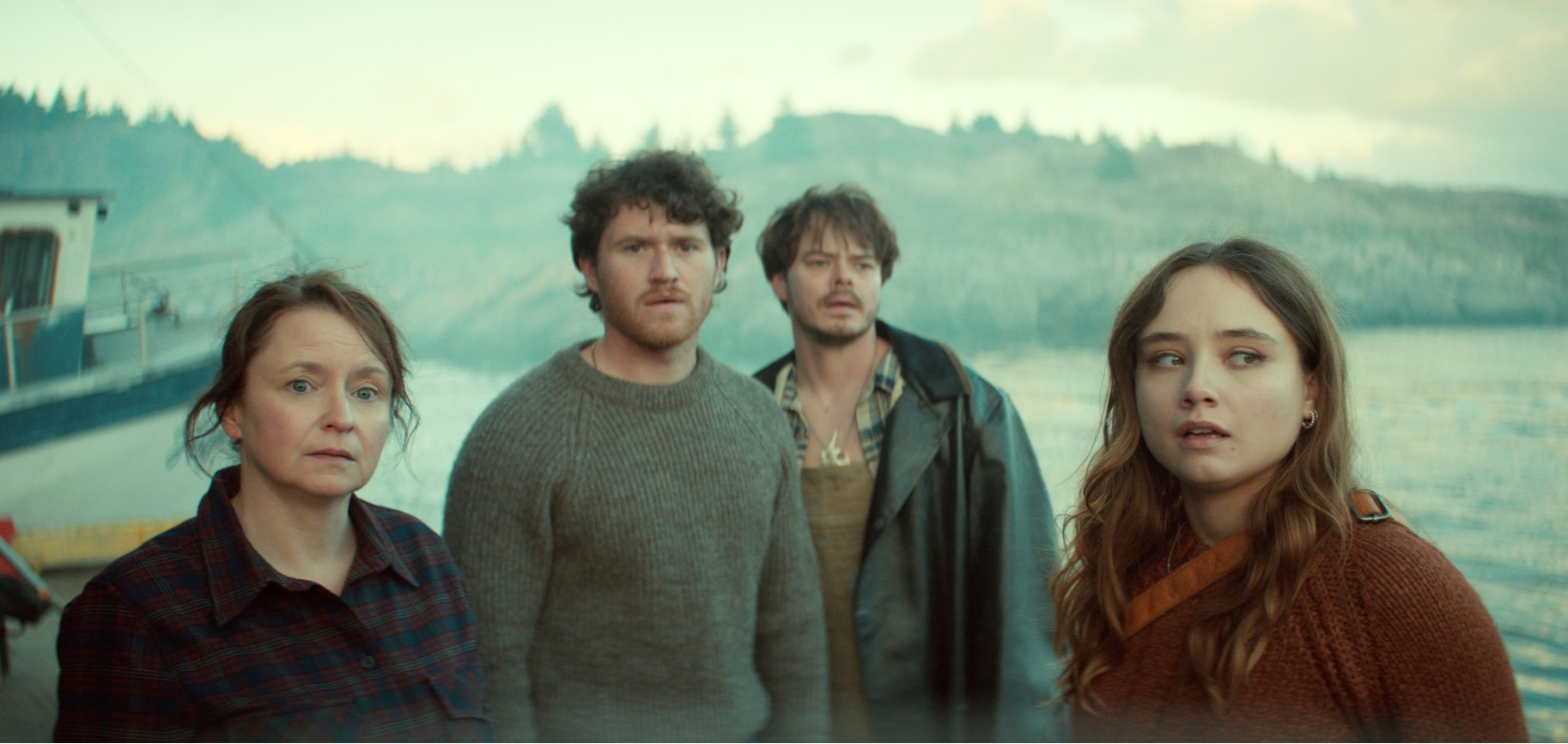
When Calvin chooses to help move Mudder and the iceberg toward safer water rather than simply destroy the creature, the decision completes his emotional arc. He has spent much of his life carrying guilt and believing disaster follows him. Learning that the creature is protecting its young gives him a chance to respond differently: with understanding rather than vengeance.
The choice does not make Mudder harmless or erase the town’s losses. Instead, it changes what courage looks like. Calvin’s decisive act is not to prove that he can overpower something bigger than himself; it is to recognize that killing it would be the easiest answer, not necessarily the right one.
The family story and creature story meet at that point. Calvin wants to protect his children and keep his community together. Mudder is also trying to protect her offspring. The creature becomes a distorted mirror for the human characters, making the question of who counts as a monster more complicated than it first appears.
Watch the official Netflix teaser
The official teaser introduces the show’s central promise: something is moving beneath the water, and the people on shore do not yet understand what they are facing.
What the Mudder twist says about Below
Mudder’s reveal changes the moral shape of the story without pretending the danger was imaginary. The creature is frightening, and the townspeople have reasons to panic. But the first explanation was incomplete: protecting offspring, exploiting a crisis, and fighting to remain at home are all operating beneath the surface.
That is why Mudder is more memorable as a threatened parent than as a conventional monster. The twist links creature horror to family drama, environmental anxiety, and the politics of who gets to keep a home. It leaves viewers with a more uncomfortable idea than “the monster was defeated”: sometimes survival depends on understanding the thing we fear, and sometimes the most dangerous threat is the one that benefits when everyone looks the other way.
Frequently asked questions
Is Mudder a real giant squid?
No. Mudder is fictional. Giant squid are real, but the character’s behavior and the events involving the town are invented for the series.
Why does Mudder attack people in Below?
The story reveals that Mudder is protecting an egg sac trapped in an iceberg. Her behavior is connected to the threat to her offspring and the conditions in the surrounding water, rather than simple evil.
Does Below suggest giant squid attack humans in real life?
No. The show uses creature-feature fiction. Real giant squid are elusive deep-sea animals, and the series’ attacks should not be read as evidence that they hunt people this way.
How does climate change connect to Mudder’s story?
The series links warmer water and melting ice to the danger facing Mudder’s eggs. That specific storyline is fictional, but changing ocean temperatures can affect marine ecosystems and species survival.
Who is the real villain in Below?
The series complicates that question. Mudder is dangerous, but the Crockers’ attempt to use the crisis to force resettlement reveals a human threat rooted in power and self-interest.
Sources and further reading
- Netflix Tudum: Could the Sea Creature in Below Really Exist?
- Netflix Tudum: Below ending explained
- Netflix Tudum: Below first-look photos, cast and setting
- Reuters: Cast of Netflix’s Below credit Newfoundland community for the show’s charm
- Netflix: Below — Official Teaser
Author: Shivam Das


