

Josh Hartnett’s career renaissance is no longer just a comeback headline—it is a shift in the kinds of roles he chooses. In Netflix’s coastal horror series Below, Hartnett plays Calvin Penney, a Newfoundland fisherman trying to protect his family and community as a mysterious sea creature emerges from the icy waters. The performance puts him at the center of a story that mixes creature-feature tension with family grief, local identity, and environmental unease.
For viewers who remember Hartnett from early-2000s hits such as Pearl Harbor and Black Hawk Down, Calvin may look like a long way from the young leading man who once dominated movie posters. That distance is precisely what makes the role interesting. Hartnett is not simply revisiting the old movie-star template; he is using the attention earned by projects such as Oppenheimer and Trap to take on characters who are bruised, complicated, and often uncomfortable to watch.
Why Below feels like a different chapter for Hartnett
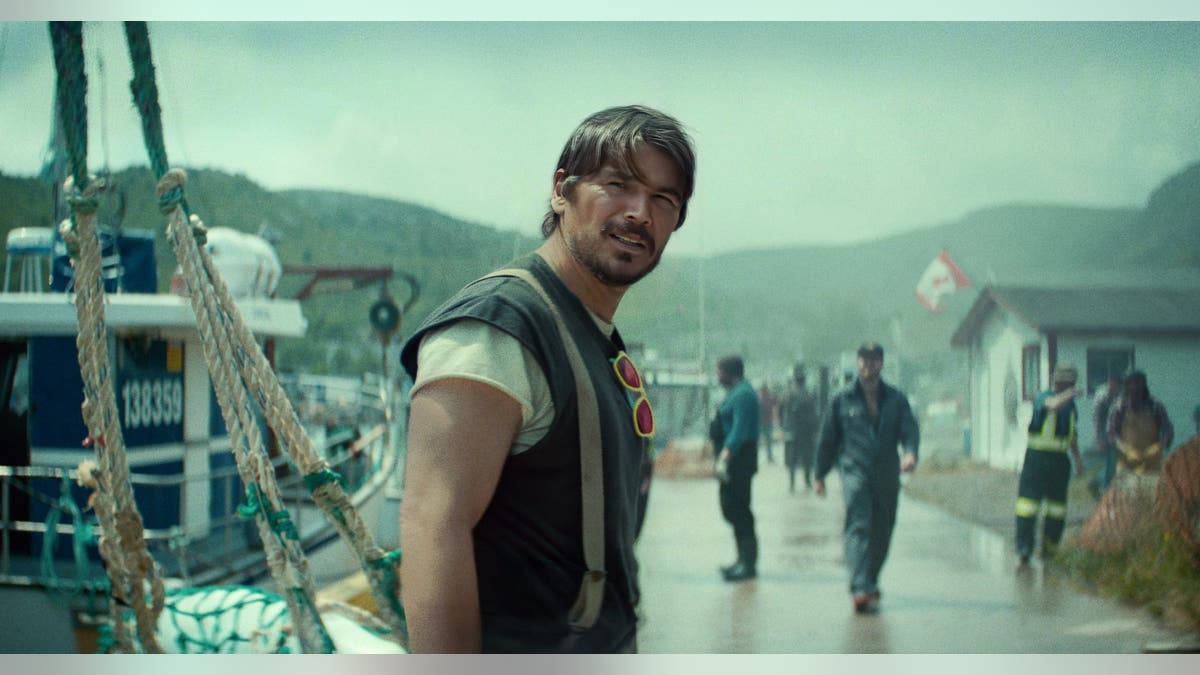
Below is built around a very grounded problem: Calvin is a working fisherman in a town whose livelihood and future are under pressure. The supernatural threat is frightening, but the series gives the character ordinary responsibilities too. He has a family to keep safe, a complicated relationship with his son Wade, and a community facing the possibility of losing its home. Those pressures make Calvin more than a genre hero who happens to carry a harpoon.
That balance is important to Hartnett’s recent screen work. In Oppenheimer, Trap, and now Below, he has been part of projects that use familiar genre frameworks to explore people under extreme strain. The roles are different, but each asks him to play someone whose outward control does not tell the whole story. Calvin’s toughness is practical rather than glamorous; he is a man who has learned to keep moving because stopping would mean facing old wounds.
Netflix describes Below as a six-part limited series created by Jesse McKeown. Its Newfoundland setting is not just scenery: the sea, the fishing economy, and the town’s close-knit social fabric all shape the stakes. That specificity gives Hartnett a character whose identity is tied to a place and a way of life, rather than to the usual Hollywood machinery.
The comeback is about choices, not just visibility
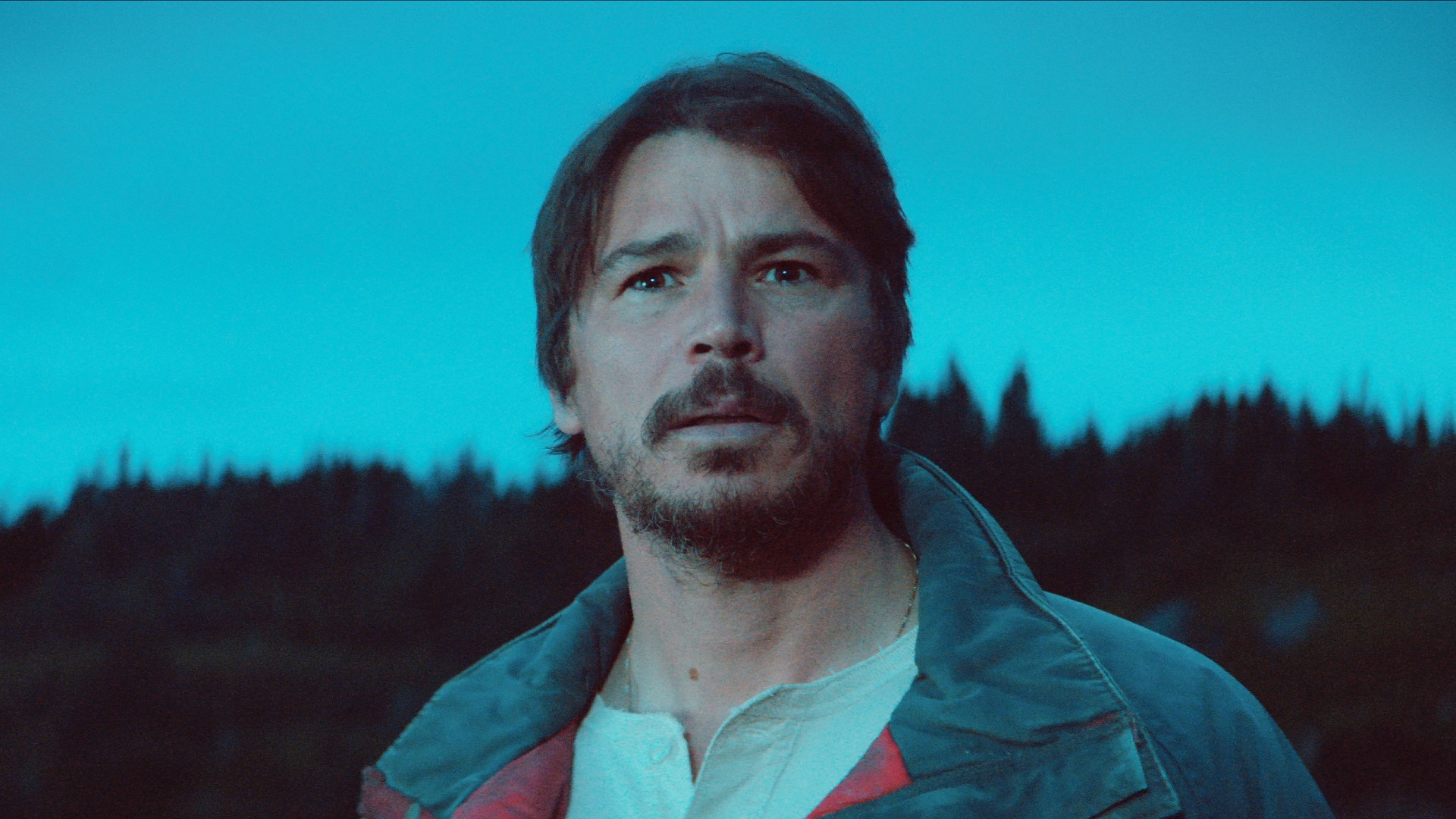
Hartnett’s return to high-profile projects is often framed as a Hollywood comeback, but that label can flatten the story. He did not disappear from acting; he continued to work while stepping back from the most relentless side of mainstream celebrity. In recent interviews, he has reflected on how early fame shaped his decisions and why he wanted more control over his career and private life. That history helps explain why his current run feels less like a sprint to reclaim a former status and more like a deliberate second act.
The difference is visible in the range of projects around Below. A large-scale film, a psychological thriller, and a creature-driven series ask for different kinds of screen presence. Hartnett can be part of the spectacle without making the performance all about spectacle. In Below, the camera often has to read his face before the audience knows what Calvin will do next. The character’s silence, defensiveness, and flashes of tenderness carry as much weight as the show’s larger scares.
Calvin Penney gives Hartnett room to play against type
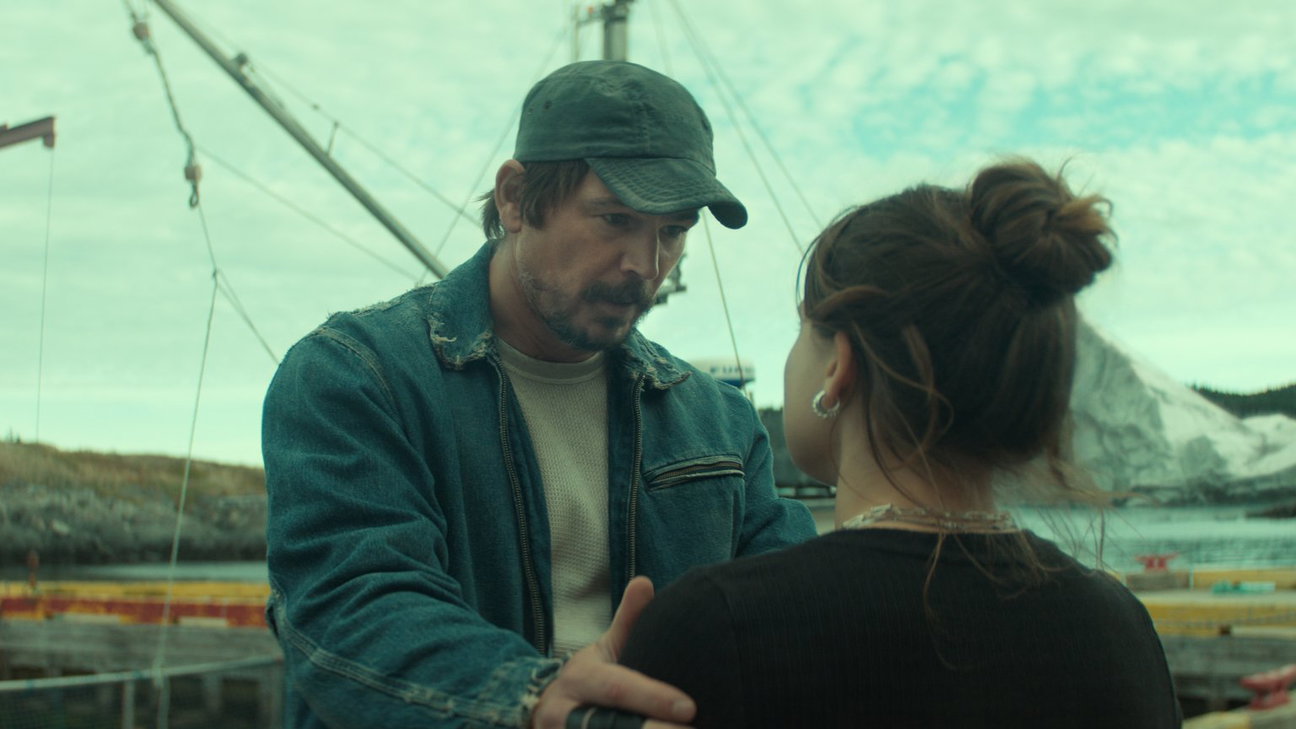
Calvin is stubborn and capable, but the series does not treat those traits as simple virtues. His protectiveness can become a wall; his grief shapes how he reads danger; and his determination to save the town can collide with the needs of the people closest to him. Hartnett makes those contradictions central to the performance. The character is not always easy to like, which is part of why his better moments feel earned.
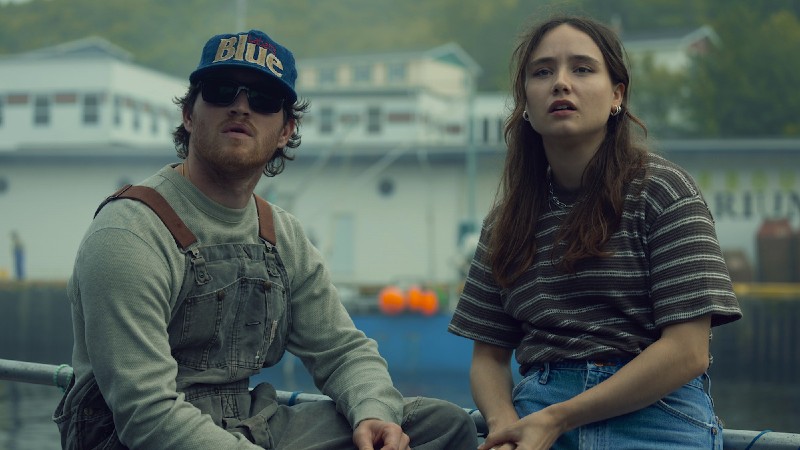
The relationship with Wade, played by Charlie Heaton, is especially revealing. Their father-son bond gives the monster story a personal scale: the threat is not only something in the water but also the possibility that a family can fail to understand itself until it is nearly too late. Hartnett’s guarded father and Heaton’s unsettled son make the emotional stakes legible even when the series leans into the bizarre.
Newfoundland gives the performance its texture
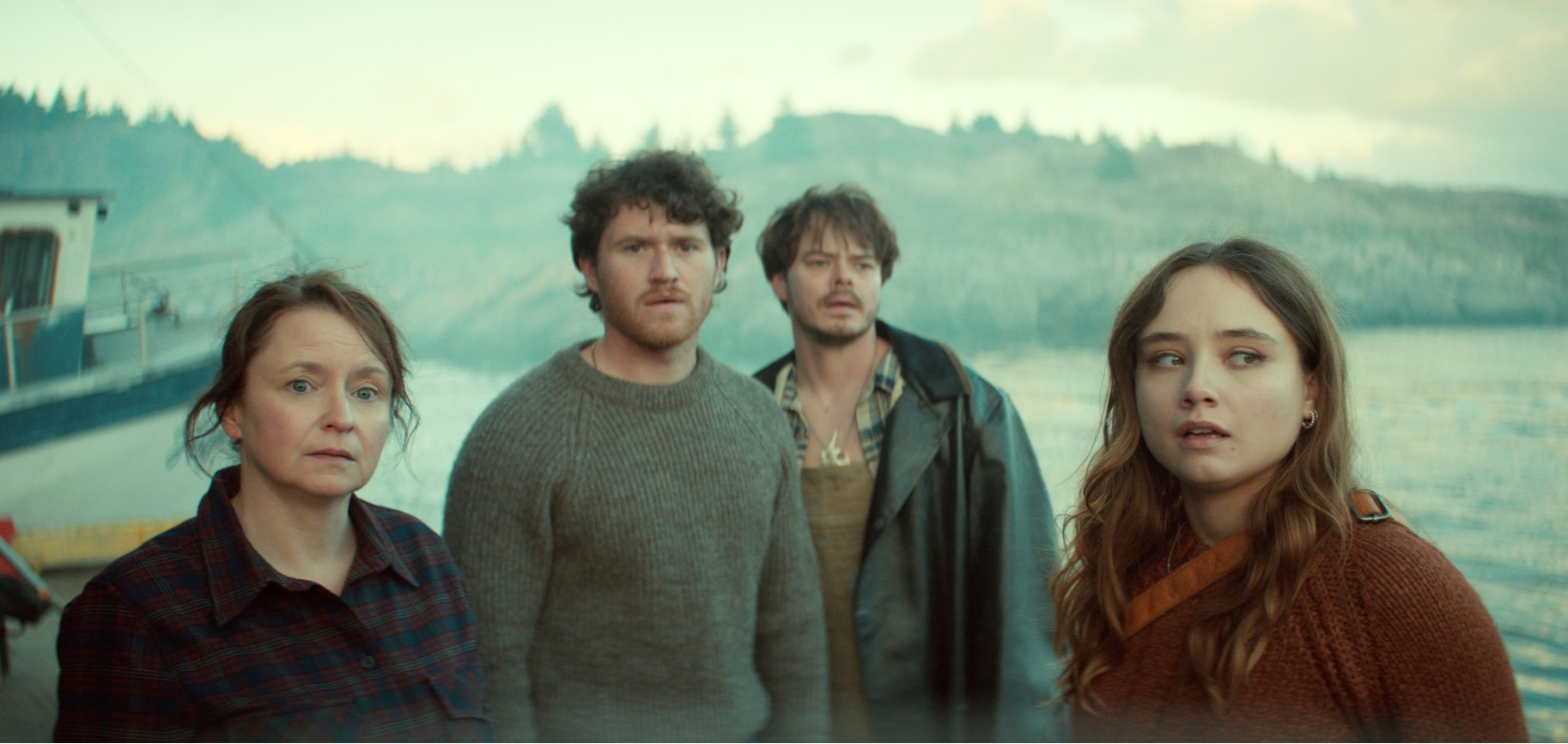
Hartnett has spoken about preparing for the role by listening to local radio, learning about fishing, and spending time with people from Newfoundland. That work matters because a regional setting can feel superficial when it is treated as a costume. In Below, the details of working on the water and the community’s relationship with the sea are tied to the story’s emotional logic. The town’s problems are not abstract: the decline of traditional fishing and outside pressure to relocate residents threaten a shared identity.
Filming on location also gives the series a physical texture that studio-built coastal drama can struggle to replicate. Gray water, exposed docks, working boats, and weather-beaten buildings make the environment feel lived in. The setting is beautiful, but it is never merely picturesque; the same sea that sustains the town can become a source of danger and uncertainty.
Is Below Hartnett’s best recent role?
That depends on what a viewer wants from him. Fans drawn to the high-concept tension of Trap may prefer a more overtly theatrical performance, while viewers who value ensemble storytelling may point to his work in Oppenheimer. Below offers a different appeal: it lets Hartnett anchor a strange, sometimes grotesque story in recognizable human fears—grief, responsibility, economic insecurity, and the possibility of losing the place that made you who you are.
It is too early to treat one new series as a definitive verdict on an entire career. But Below is a strong example of why Hartnett’s current chapter has attracted attention. Rather than repeating the persona that first made him famous, he is using the familiarity of his face to lead audiences into less predictable stories. The result is not a return to the past so much as a more interesting use of it.
What comes next for Josh Hartnett?
There is no need to declare a new era finished or permanent after one release. The more useful question is whether Hartnett continues to choose parts that challenge the expectations attached to him. His recent projects suggest that he is comfortable moving between mainstream productions and stranger, riskier material. Below fits that pattern because it offers the reach of a Netflix release without sanding down its oddness.
For viewers, the best reason to watch is simple: Hartnett makes Calvin feel like a man with a life before the first strange iceberg appears and consequences after the credits roll. That grounded quality gives the series a human center, even when its story ventures into the uncanny. It also makes this performance a persuasive next step in a career that has become more compelling by refusing to follow a straight line.
Quick answer: Why is Josh Hartnett’s career renaissance continuing with Below?
Hartnett’s resurgence continues because he is taking varied, character-driven roles rather than trying to recreate his early heartthrob image. In Below, he anchors a Newfoundland-set horror mystery with a restrained performance built around grief, family conflict, and community responsibility.
Frequently asked questions
What character does Josh Hartnett play in Below?
He plays Calvin Penney, a stubborn but big-hearted Newfoundland fisherman trying to protect his family and town from a mysterious sea creature and the forces threatening their way of life.
Is Below a movie or a series?
Below is a six-episode limited series on Netflix, created by Jesse McKeown and set in Newfoundland, Canada.
Why is Josh Hartnett being described as having a career renaissance?
After stepping away from the center of mainstream celebrity while continuing to act, Hartnett has recently appeared in prominent projects including Oppenheimer, Trap, and Below. The mix of visibility and varied roles has renewed attention to his work.
Did Josh Hartnett leave acting for 20 years?
No. He stepped back from the most visible part of Hollywood stardom, but he continued acting. Describing that period as a complete acting hiatus would be misleading.
Where was Below filmed?
The series was filmed in Newfoundland and Labrador, Canada, using the region’s coastline and communities to ground its maritime setting.
Sources and further reading
- Netflix Tudum: Josh Hartnett discusses finding new meaning in Below
- Los Angeles Times: Josh Hartnett and Charlie Heaton on Below
- People: Hartnett reflects on stepping away from big-budget fame
- Netflix Media Center: Below series overview
By Shivam Das


