

Netflix’s Below opens with an image that feels almost too strange to be practical: a house being hauled across the water before the sea takes it. The sequence is unsettling partly because it does not look like a conventional creature-feature effect. It feels heavy, vulnerable and physical — a family home turned into cargo on an unforgiving ocean.
According to creator Jesse McKeown and producer Jessica Rhoades, the production chose to make the central image real. In an interview with What’s on Netflix, McKeown said, “We actually sunk a house,” explaining that the team felt the scene had to be done practically for the story’s scale to register. That is the key behind the sequence: the house is not merely a prop in the background. It is the emotional centre of the opening, carrying the family’s belongings, history and fear into the water.
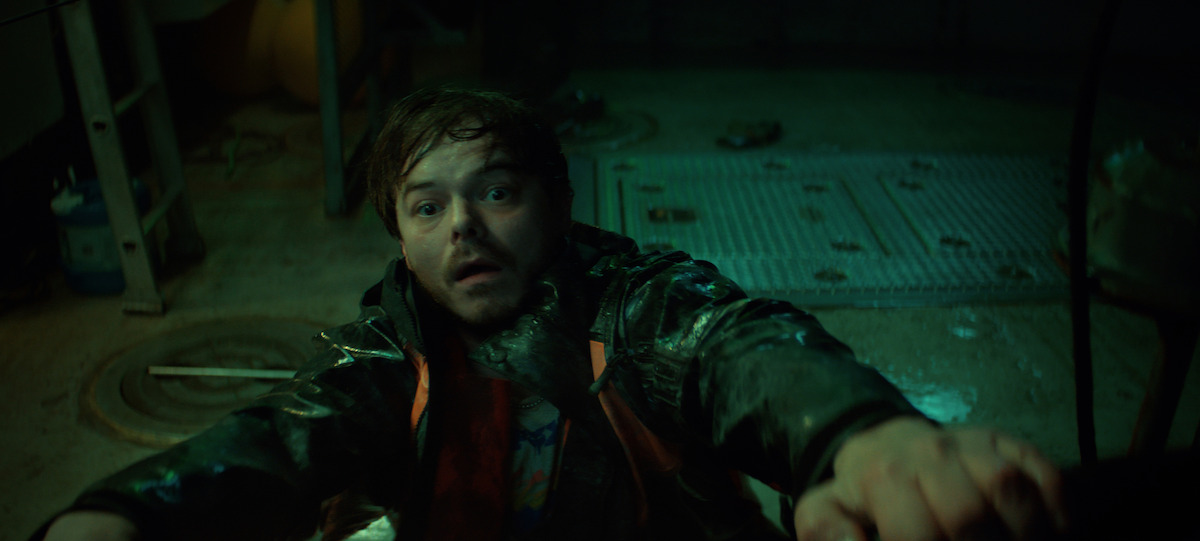
Why the production made the house sequence practical
Practical effects can give performers and camera operators a physical reality to respond to. Water, weather, wood and weight behave unpredictably, and that uncertainty can create tension that is difficult to imitate with a clean digital composite. The production’s comments do not mean every element in the finished sequence was captured in one uninterrupted take; they do establish that the house-sinking action was approached as a real physical event rather than a purely computer-generated image.
That distinction matters in a story set in Newfoundland, where the sea is both a source of livelihood and a constant threat. The house-towing sequence introduces the show’s central anxieties before the creature is fully understood: displacement, family trauma, and the possibility that the natural world can overwhelm plans made on land.
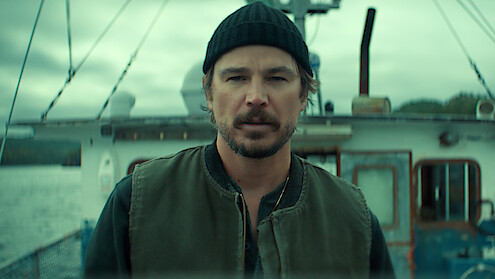
A house is more than a special effect
The sequence also works because the house represents a life being moved against its will. In the story, Calvin Penney’s family history is tied to a forced departure and a devastating loss at sea. A house is normally a symbol of shelter and permanence; once it is pulled across open water, those assumptions collapse. The image gives the series a visual shorthand for a community whose future is no longer entirely in its own hands.
That emotional layer helps explain why the practical approach was worth the effort. A digital shot can show a building sinking, but a tangible structure interacting with real water can make the event feel consequential. Viewers may not know the engineering or safety planning behind the production, and the available interviews do not provide a full technical breakdown of rigging, buoyancy, camera placement or environmental controls. It would be misleading to invent those details. What the filmmakers have confirmed is the central choice to sink a house for the scene.

Newfoundland gives the scene its scale
Below was filmed in Newfoundland and Labrador, and the production has highlighted the region’s rugged coast and close-knit communities as essential to the show’s identity. The landscape is not simply scenery: it makes distance, isolation and dependence on the sea feel immediate. A house on the water looks especially exposed against that setting, with no easy road back to safety.
Netflix’s official first-look coverage describes the series as a six-episode thriller about a coastal town threatened by a mysterious sea creature. The show combines that supernatural danger with a family story and the pressures facing a community trying to protect its way of life.
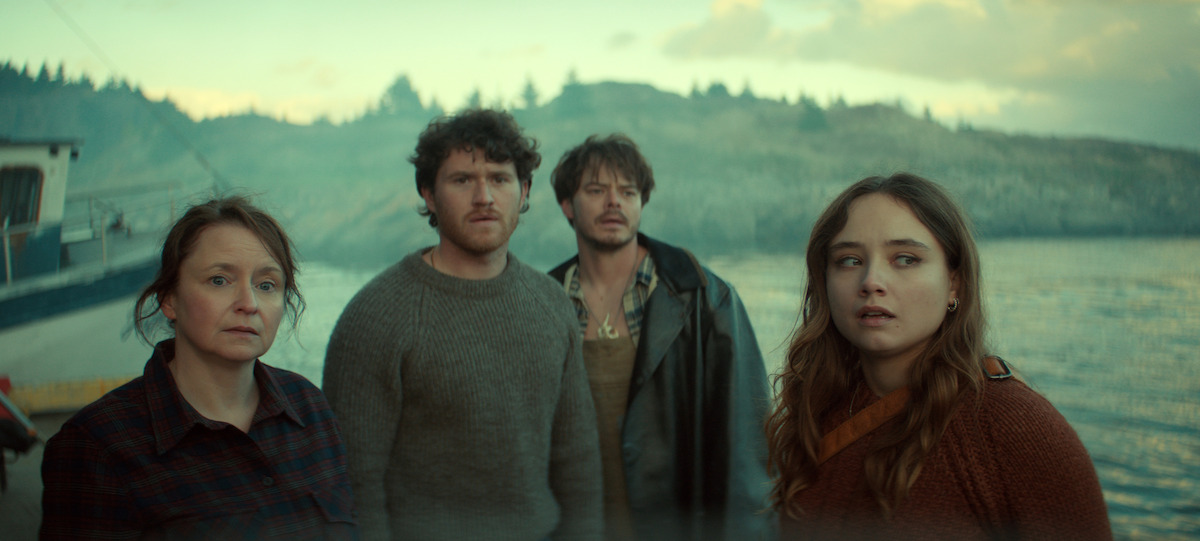
What viewers should know about the filming claim
The strongest evidence comes from the production team’s own interview: McKeown confirmed that the house was actually sunk, and Rhoades described the decision as a practical one. That supports the headline’s central point, but it does not establish every behind-the-scenes detail sometimes repeated online. Without a production log or a more technical making-of feature, claims about the number of takes, the exact construction method, the cost, or how many weeks the sequence required should be treated cautiously.
For viewers, the payoff is visible on screen. The opening turns an extraordinary production choice into a clear story image: a home, a family’s past and the danger beneath the surface all moving toward the same point. The scene feels memorable not simply because a house goes underwater, but because the show gives that house something to mean.
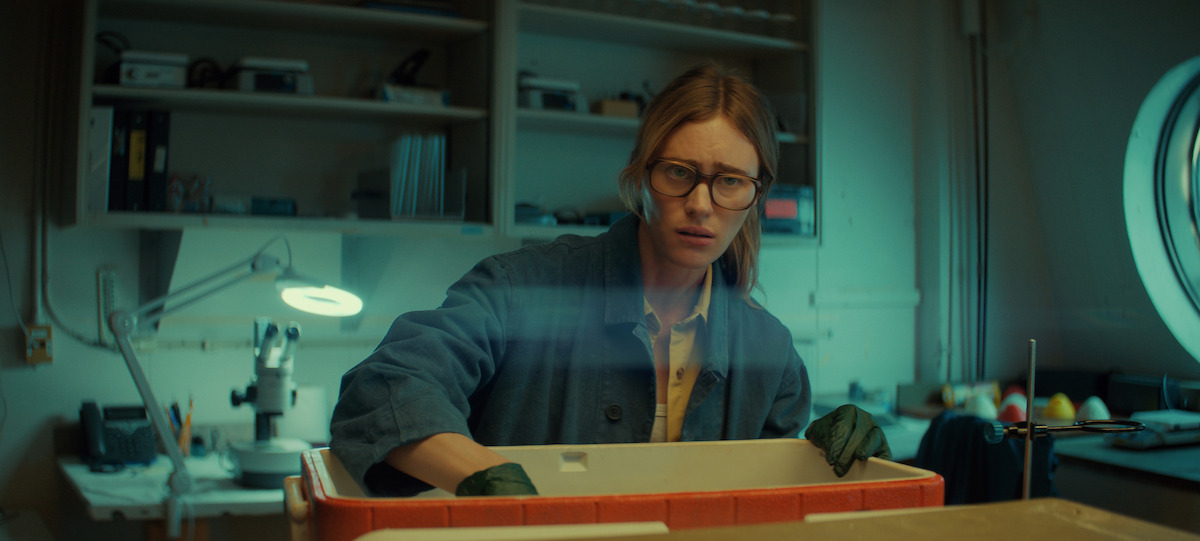
Watch the official trailer and read the production interview
For the series’ official trailer and additional images, visit Netflix Tudum’s Below feature. For the creators’ account of the practical house sequence, read the interview at What’s on Netflix. These are the source links used for the production details in this article.
Frequently asked questions
Did the Below production really sink a full-sized house?
Yes. Creator Jesse McKeown said in an interview with What’s on Netflix that the production actually sank a house for the sequence.
Was the entire scene filmed practically?
The production confirmed that the house-sinking action was done practically, but the available interview does not establish that every shot or visual element was captured in a single practical take.
Where was Below filmed?
The series was filmed in Newfoundland and Labrador, Canada, according to Netflix’s official coverage.
Why does the house sequence matter to the story?
The house represents family, home and forced displacement. Its movement across the water turns those themes into a tense visual event before the series’ larger mystery unfolds.
Who created Below?
Below was created by Jesse McKeown and stars Josh Hartnett, Mackenzie Davis and Charlie Heaton.
Sources: What’s on Netflix — interview with the creators; Netflix Tudum — official series coverage.


