

Which coastal horror show wins: Below or Widow’s Bay? If you want a straight creature-feature with a bruised family at its center, Netflix’s Below has the edge. If you prefer eerie folklore, a sharper comic streak, and a whole island full of oddballs, Apple TV’s Widow’s Bay is the more distinctive watch. Both series turn a beautiful, isolated coastline into a place where the locals know more than they say—and outsiders should probably listen.
The shows share a coastal-horror DNA, but they use it for different purposes. Below builds toward a giant sea-creature mystery in Newfoundland, while Widow’s Bay follows a New England island mayor trying to turn a supposedly cursed community into a tourist destination. Here’s how they compare on atmosphere, scares, characters, themes, and binge-worthiness.

Quick verdict: Below vs. Widow’s Bay
- Best for creature-feature thrills: Below
- Best for horror-comedy and eccentric characters: Widow’s Bay
- Best environmental undercurrent: Below
- Best mix of folklore and community satire: Widow’s Bay
- Our overall pick for a tense, movie-like binge: Below—by a narrow margin, especially if you want the monster and the mystery to drive the story.
This isn’t a claim that one show is objectively “better.” They’re aiming at different flavors of fear, and the right winner depends on whether you want dread to build toward a tangible threat or keep mutating into strange, funny, unsettling island lore.
1. Setting: Newfoundland isolation vs. a cursed New England island
Below is set in the struggling Newfoundland fishing community of Snook’s Arm. The ocean is both livelihood and danger, and the town’s economic vulnerability makes every strange event feel personal. Calvin Penney, played by Josh Hartnett, is fighting to protect his family and the place they call home. The setting isn’t just a spooky backdrop: dwindling work, outside interests, and the community’s fragile future all feed the tension.
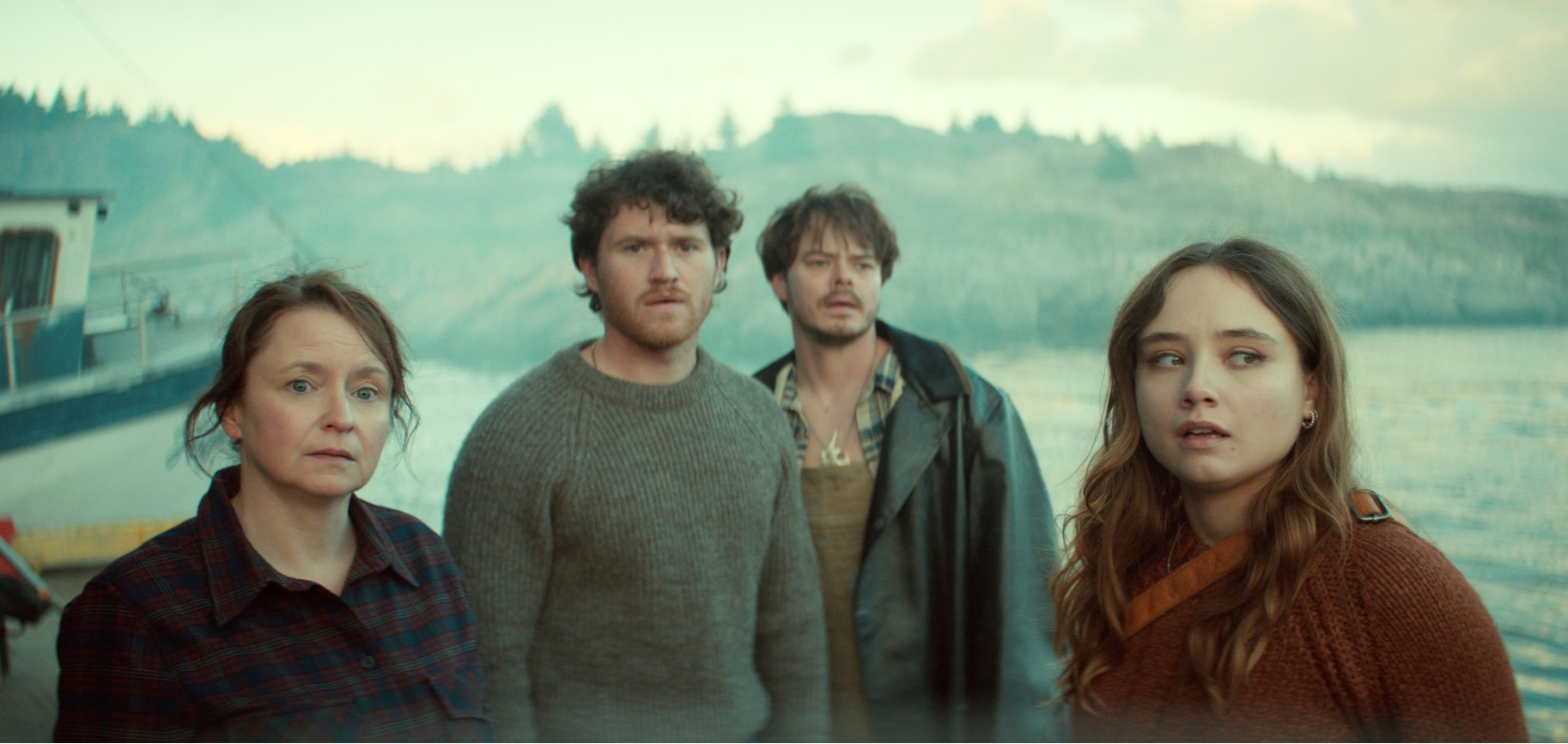
Widow’s Bay takes place on an island about 40 miles off the New England coast. Mayor Tom Loftis, played by Matthew Rhys, wants to revive the local economy by attracting visitors. The catch is that residents believe the island is cursed—and the old stories start looking less like harmless superstition when tourists finally arrive. The tourism setup gives the show a built-in comic contradiction: the mayor needs to sell the island as safe just as it becomes harder to pretend it is.
Winner for raw atmosphere: Below. Its working harbor, cold water, and precarious fishing economy give the danger a physical weight. Widow’s Bay has the stronger satirical premise, but Below makes the coastline feel like a force pressing in on every character.
2. The horror: a sea creature or a whole island of bad omens?
Below makes its central threat unusually concrete. A mysterious deep-water creature terrorizes the town, and Calvin teams up with marine researcher Dr. Fonda Howander, played by Mackenzie Davis, to understand what is happening. The show initially encourages viewers to fear the creature, then complicates that response by connecting the crisis to its young, the warming water, and human decisions that worsen the situation. The monster is frightening, but the moral picture is not as simple as “kill the beast and everything is fixed.”
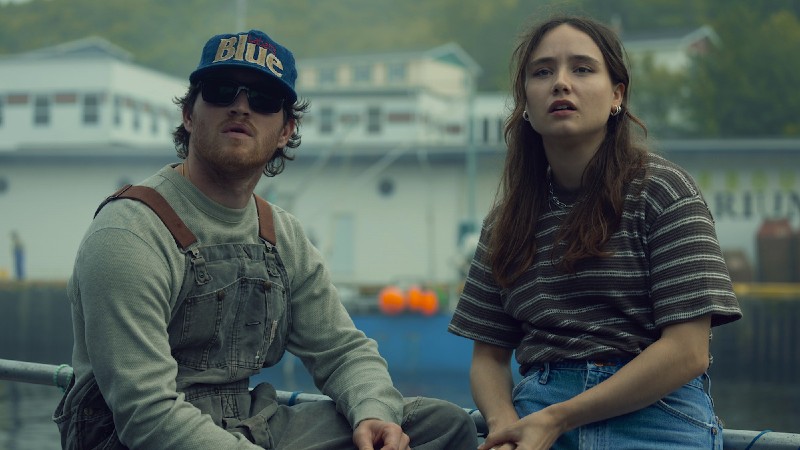
Widow’s Bay plays a different game. Its official premise centers on a community where old warnings and local legends begin to come true. Rather than relying on one central creature as the main attraction, the show draws tension from the uncertainty of island life: which story is true, which neighbor knows something, and how much can the mayor safely dismiss? That open-ended folklore engine makes the horror more varied—and leaves room for absurdity.
Winner for direct scares: Below. The threat has a clear physical presence and the show builds toward confrontations with it. Winner for weirdness: Widow’s Bay. Its cursed-island premise can pivot between unsettling and funny without needing every mystery to resolve into a single monster explanation.
3. Characters: Calvin Penney vs. Mayor Tom Loftis
Hartnett gives Below an emotionally grounded center. Calvin is stubborn, grieving, and haunted by his father’s death at sea. His struggle isn’t only about survival; it’s also about guilt, family responsibility, and whether he can stop seeing the world through old trauma. Charlie Heaton’s Wade adds a volatile family dynamic, while Fonda brings a scientific perspective that challenges the town’s assumptions.

In Widow’s Bay, the mayor’s need to be respected is part of the joke and part of the tragedy. Tom Loftis is not a fearless leader; he is a vulnerable man trying to make a future for his teenage son and a town that doesn’t fully believe in him. Matthew Rhys can play that insecurity as comedy without making the stakes feel disposable. The ensemble around him helps turn the island into a social ecosystem, not just a location where spooky things happen.
Winner for emotional family drama: Below. Calvin’s relationship with his children gives the creature plot a human anchor. Winner for ensemble eccentricity: Widow’s Bay. If you like a town where almost every character seems to have a peculiar history, Apple’s series has the richer comic playground.
4. Tone: earnest creature horror vs. horror with a comic edge
This is the biggest difference between the two shows. Below is strange and occasionally absurd, but its emotional direction is serious. The monster story is tied to a town’s economic decline, family history, and environmental change. That earnestness helps its big moments land, though viewers who want constant momentum may find some of its character work slows the pace.
Widow’s Bay openly blends genuine horror with character-driven comedy. The mayor’s tourism campaign is funny because it collides with a community’s deep fear of its own history. The humor doesn’t erase the supernatural threat; instead, it makes the people’s attempts to normalize danger part of the unease.
Choose Below if you want a tense, melancholy creature feature. Choose Widow’s Bay if you want scares that can sit beside awkward social comedy and strange local behavior.
5. Themes: climate change and survival vs. folklore and civic denial
Below uses its sea-creature plot to explore how environmental change can create consequences people are not prepared to understand. As the mystery unfolds, the creature’s vulnerability and the threat to its offspring complicate the town’s instinct to destroy it. Corporate pressure and the prospect of displacing residents add another layer: the monster is dangerous, but powerful human interests can be dangerous too. That makes the series’ central question less “How do we defeat nature?” and more “Can people respond wisely when fear and profit are steering the decision?”
Widow’s Bay is more focused on the tension between local memory and economic ambition. The mayor wants growth, tourists, and a better future; the locals carry warnings that sound ridiculous until they don’t. Its premise gives the show room to poke at boosterism, small-town politics, and the habit of treating uncomfortable history as a marketing problem.
Winner for environmental relevance: Below. Winner for civic satire: Widow’s Bay. Both series understand that a community can be endangered by more than a supernatural force—especially when its leaders are determined to keep the public-relations story intact.
6. Which show is more binge-worthy?
Below is a six-part limited series, making it an appealing choice for viewers who want a contained mystery with a clear dramatic arc. The official Netflix description frames it as a story about a fisherman protecting his family, community, and vanishing way of life. Its short run also suits a weekend watch: the central threat keeps the plot moving, while the family story gives the finale emotional stakes.
Widow’s Bay launched as a 10-episode first season on Apple TV, with a weekly release schedule during its initial run. Apple has also announced a second season, so viewers can invest in the island’s wider mythology knowing the story is continuing. Its episodic mysteries and ensemble dynamics may be more satisfying if you like spending time in a fictional community rather than racing toward one central reveal.
For a quick, high-concept binge, pick Below. For a longer stay in an odd, increasingly unsettling town, pick Widow’s Bay.
Final verdict: which coastal horror wins?
Below wins this head-to-head by a narrow margin for viewers who want creature-feature suspense with emotional and environmental stakes. The Newfoundland setting gives it a rugged sense of isolation, and Calvin’s family story keeps the sea-monster mystery from becoming only a sequence of scares. Its best idea is that the thing everyone fears may not be the only—or even the most calculating—danger in town.
Widow’s Bay is the better pick for anyone who values comic timing, folklore, and a memorable ensemble. Its premise turns local superstition and a mayor’s tourism pitch into a reliable source of tension. These are not interchangeable shows, and that is why the comparison works: Below asks what happens when a community faces a tangible threat it barely understands; Widow’s Bay asks what happens when a community’s old stories refuse to stay stories.
Our recommendation: Watch Below first if you want a compact, atmospheric horror binge. Then head to Widow’s Bay when you’re in the mood for a stranger, funnier take on the dangers lurking around a coastal town.
Frequently asked questions
Is Below scarier than Widow’s Bay?
Below is more focused on direct creature-feature suspense. Widow’s Bay blends supernatural scares with comedy and folklore, so its fear is often more unpredictable than relentlessly intense.
Are Below and Widow’s Bay based on true stories?
Neither series is presented as a direct dramatization of a true story. Both use fictional coastal communities and supernatural premises, though Below draws on recognizable concerns about fishing-town decline and environmental change.
Where can I watch Below?
Below is available on Netflix. See the official Netflix title page for current availability in your region.
Where can I watch Widow’s Bay?
Widow’s Bay is an Apple TV original. Check the official Apple TV Press page for series information and links to watch.
Has Widow’s Bay been renewed for season 2?
Yes. Apple TV announced a second-season renewal on June 11, 2026. That makes it the more clearly continuing story at the time of writing; Below is described by Netflix as a limited series.
Sources and further reading
- Netflix Media Center: Below — official premise and series format.
- Apple TV Press: Widow’s Bay — official synopsis and cast details.
- Apple TV Press: Widow’s Bay season 2 renewal — official renewal announcement.
- The Guardian: Below review — critical perspective on the series’ tone and creature-feature elements.
By Shivam Das


