

Quick answer: The submarine sequence in Below stands out because it compresses the series’ ocean-sized threat into a cramped, human space. Instead of relying only on a wide shot of a monster, the scene makes danger feel close, physical, and difficult to escape. A review by RogerEbert.com specifically notes Calvin’s submarine ordeal with two visiting scientists as one of the show’s most claustrophobic set pieces.
Spoilers ahead for the underwater sequence in Netflix’s Below.
Why the submarine sequence feels so tense
Much of Below draws its unease from the scale of Newfoundland’s coastline: open water, weather-beaten boats, and an iceberg that seems to carry a secret no one can fully explain. A submarine changes the visual grammar. The ocean is still enormous outside, but the characters are trapped inside a small machine with hard edges, limited visibility, and no easy route to safety.
That contrast is the scene’s strongest idea. The sea can look beautiful from shore and merciless from underwater. Inside a submersible, the characters cannot simply step away from the threat or read the horizon for clues. Every movement and every glance toward a display becomes meaningful because the crew has so little room to react.
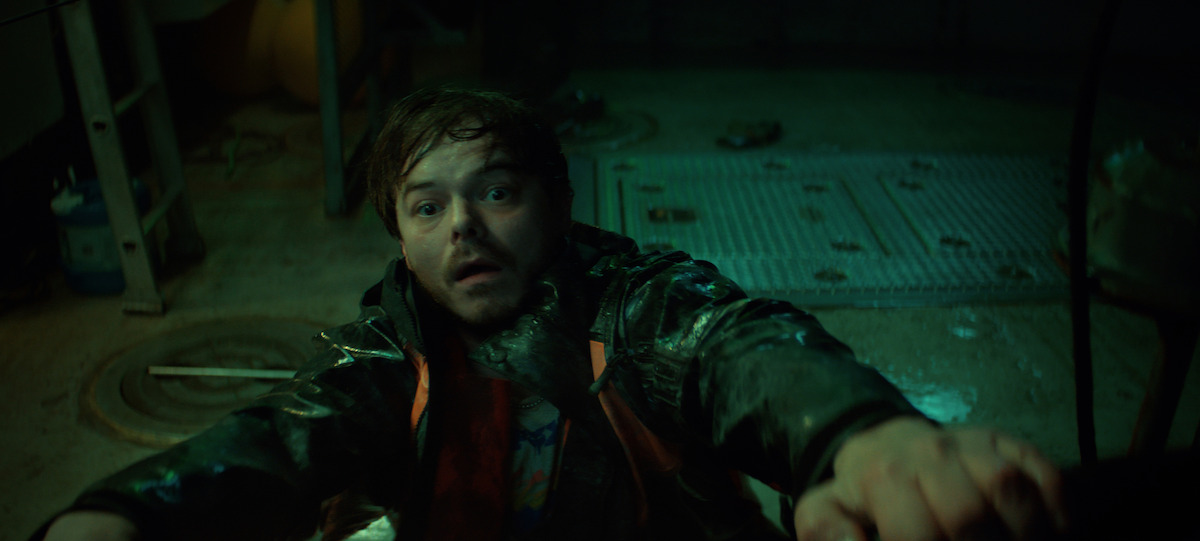
A small space makes the monster feel bigger
Creature horror often depends on what the audience cannot see. A full view of a threat can answer questions too early; partial glimpses and reactions leave viewers to imagine what is just outside the frame. In a confined underwater setting, that uncertainty becomes especially effective. A sound, a sudden movement, or a character’s alarm can carry more weight than a clear look at the creature.
That restraint suits Below, which places a mysterious sea creature alongside the practical fears of a remote fishing community. The threat is not only supernatural. It also exposes how little control people have over the environment they depend on. The submarine sequence makes that larger theme immediate: the characters may have equipment and expertise, but the ocean does not promise to cooperate.
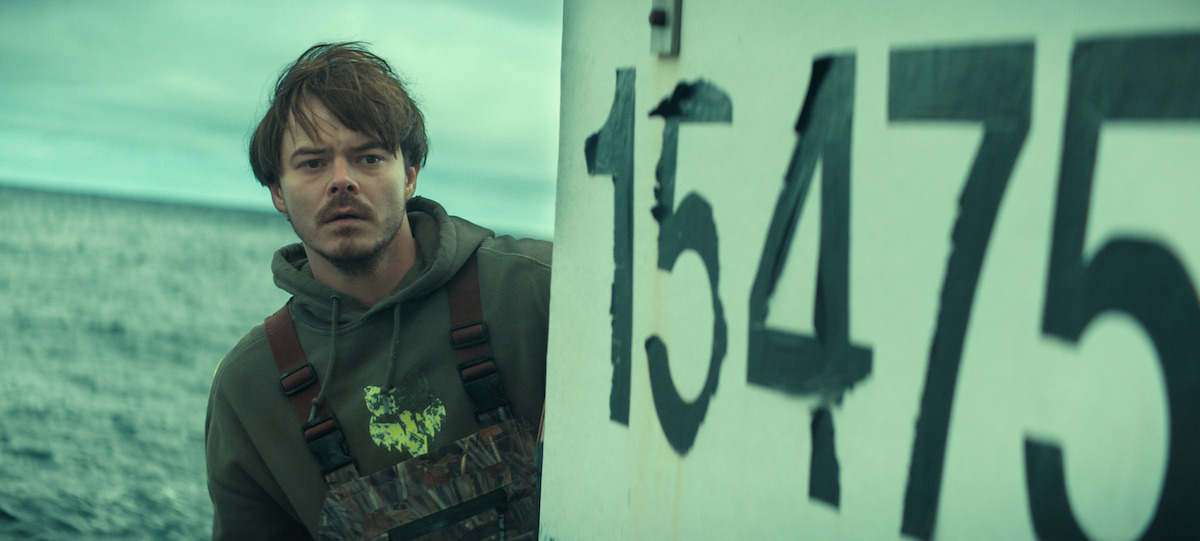
Calvin’s point of view keeps the danger personal
Josh Hartnett’s Calvin Penney is not an action hero who can treat the sea as a puzzle to solve from a safe distance. The story ties his fear of the water to the childhood loss that shaped his life. That history gives an underwater confrontation an emotional charge beyond the immediate question of whether the crew can get out safely.
When a character carries unresolved trauma, a dangerous setting can make the past feel present. The ocean is both the physical location of the threat and the place where Calvin’s family story broke apart. That overlap helps explain why the show’s underwater suspense can feel personal even when the creature itself remains difficult to understand.
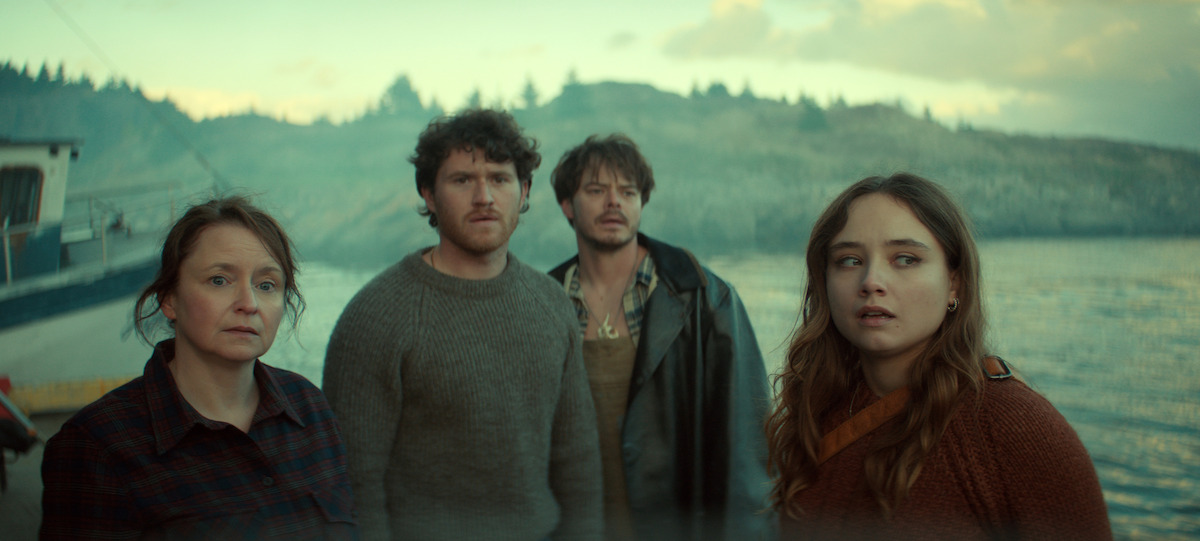
Why the production’s practical setting matters
Netflix’s official first-look report confirms that Below was filmed in Newfoundland, and the cast has described working on the ocean and around local communities. That real maritime backdrop gives the series a tactile quality: boats look used, the coast feels exposed, and the water never seems like a neutral background.
The submarine scene narrows that sense of place rather than abandoning it. The characters are still surrounded by the same cold, uncertain ocean, but the camera’s attention shifts from landscape to bodies, equipment, and the limits of the vessel. The result is a different kind of scale: the environment feels huge precisely because the people inside the sub have so little room.
The official trailer sets up the series’ underwater mystery
The trailer does not replace the full sequence, but it gives viewers a sense of the series’ central tension: a coastal community is confronted by something beneath the surface that its residents cannot easily explain. Watch the official trailer below, then use the episode itself for the full scene and context.
What the scene adds to Below
The submarine sequence works because it brings several of the show’s ideas together at once: the mystery of the creature, Calvin’s complicated relationship with the sea, and the vulnerability of people who make their living beside it. The tension comes not simply from the possibility of an attack, but from the feeling that human knowledge and technology may not be enough.
That is also why the sequence feels different from a conventional monster chase. A chase promises movement and escape. A submarine scene makes escape a question of engineering, teamwork, and timing — while the threat remains largely outside the characters’ control. The close quarters turn uncertainty into a physical experience.
Frequently asked questions
Which part of Below features the submarine sequence?
It appears in a later part of the series. For exact episode placement and scene context, check the episode guide on Netflix, as episode descriptions may vary by region.
Why is the submarine scene so claustrophobic?
The confined interior limits movement and visibility, contrasting sharply with the vast ocean outside. That mismatch makes every reaction and sound feel more consequential.
Does the submarine sequence explain the sea creature?
The sequence adds to the mystery rather than making the creature feel completely knowable. The show’s suspense depends on the gap between what the characters can observe and what they can safely conclude.
Where can I watch Below?
Below is available on Netflix’s official title page. Availability can vary by country.
Sources
- RogerEbert.com: Below review — discussion of the submarine sequence and its claustrophobic staging.
- Netflix Tudum: Below first-look photos, cast and setting — official production context and image credits.
- Netflix: Below official title page — series overview and official viewing destination.
Author: Shivam Das


