

By Shivam Das | October 12, 2026
Spoiler warning: This article discusses the ending of Netflix’s Below.
The final moments of Below linger because the show does not treat music as a shortcut to fear. Its closing image—more icebergs on the horizon after the town has survived one extraordinary crisis—turns the ocean from a solved mystery into an open question. The score by composer Mark Korven helps that uncertainty feel emotional as well as frightening: the danger is not simply what might be hiding underwater, but what the characters have learned to see differently.
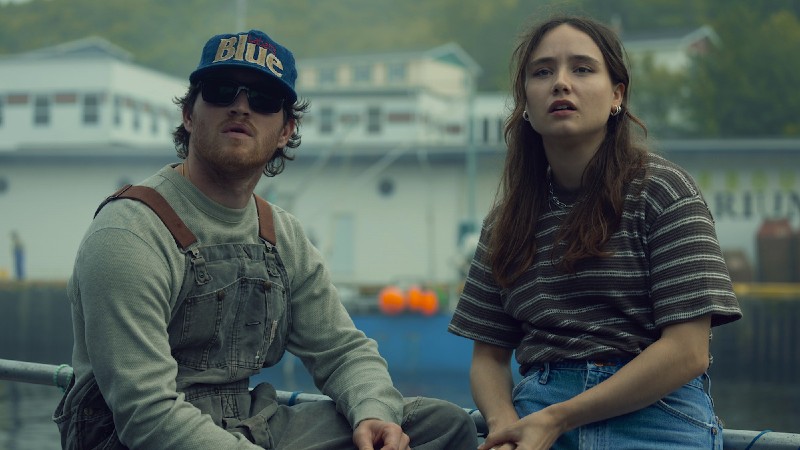
Why the ending’s music works without spelling everything out
A strong thriller soundtrack tells viewers how to feel without explaining exactly what to think. In Below, that distinction matters. The six-episode series begins with a family’s house being towed across the ocean and pulled beneath the water, then builds toward a conflict in which a threatened Newfoundland community must confront both a mysterious sea creature and the forces trying to push residents from their land. By the finale, the sound of the story carries memories of loss, danger and survival into a quieter image: another iceberg.
Rather than closing every door, the ending leaves viewers listening for what could come next. A restrained musical approach can make that uncertainty more unsettling than a loud final sting. Silence, sustained tones and a gradual rise in tension give the audience room to connect the last image with everything Calvin Penney has endured.
Mark Korven’s original score gives the ocean its own voice
Mark Korven composed the original score for Below. The soundtrack album, released by Netflix Music on October 8, 2026, collects 17 cues across about 41 minutes. Its titles include “House Tugging / Creature Eats House,” “Mudder Nightmare / Fonda Suspense,” “Fonda’s Discovery” and “Iceberg Trance.” Those names suggest how the music moves between domestic trauma, investigation and the strange pull of the ice itself.
“Iceberg Trance” is an especially revealing title for the show’s central image. Ice is not just scenery or a source of income in Below; it becomes a symbol of the past returning in a form the characters cannot fully control. The series connects that mystery to warming waters and a community’s uncertain future, so the score’s eerie atmosphere supports a larger idea: the natural world is not a passive backdrop to human decisions.
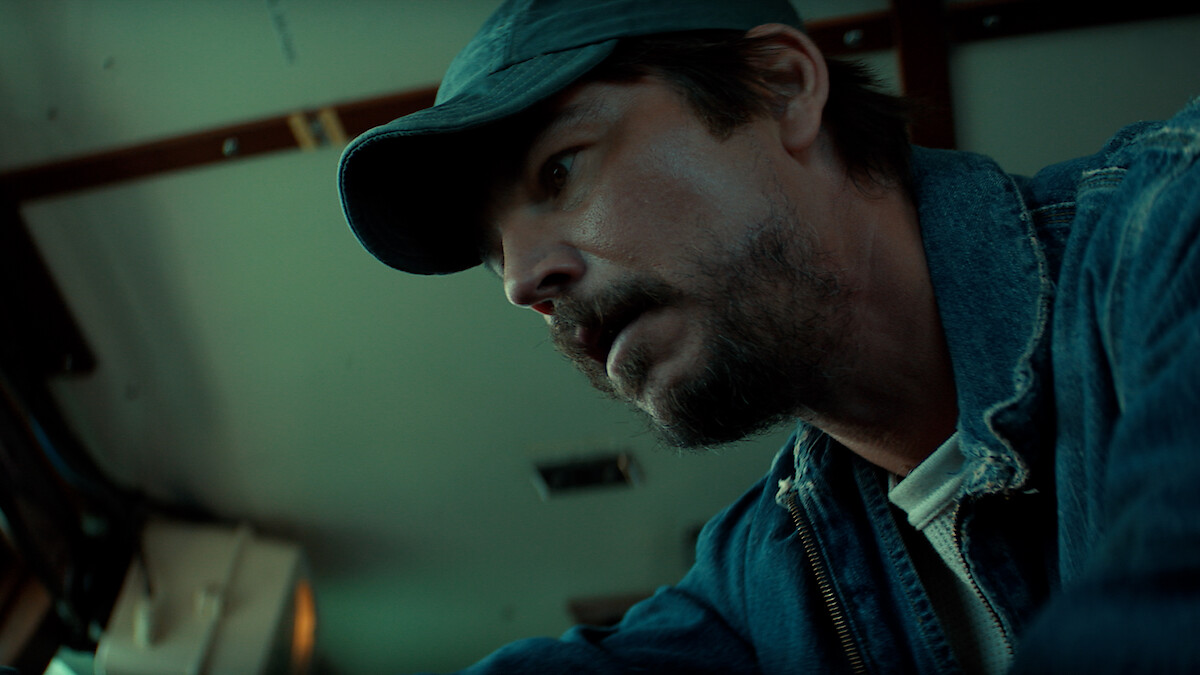
The soundtrack is more than one needle drop
It is tempting to credit a finale’s emotional impact to a single song, especially when a scene stays in the mind after the credits. But the available soundtrack information points to a broader musical design: Korven’s original cues sit alongside songs selected to evoke the everyday culture and atmosphere of Newfoundland. Creator Jesse McKeown has described the music choices as tied to what people in the region might hear on the radio, in a car or in a local bar.
That mix matters. Familiar songs can make a fictional town feel lived-in, while an original score can make the same landscape feel uncanny. The contrast is part of Below’s identity: people still have family arguments, community gatherings and ordinary work to do even as something inexplicable disrupts the harbor. The music helps those two realities occupy the same scene.
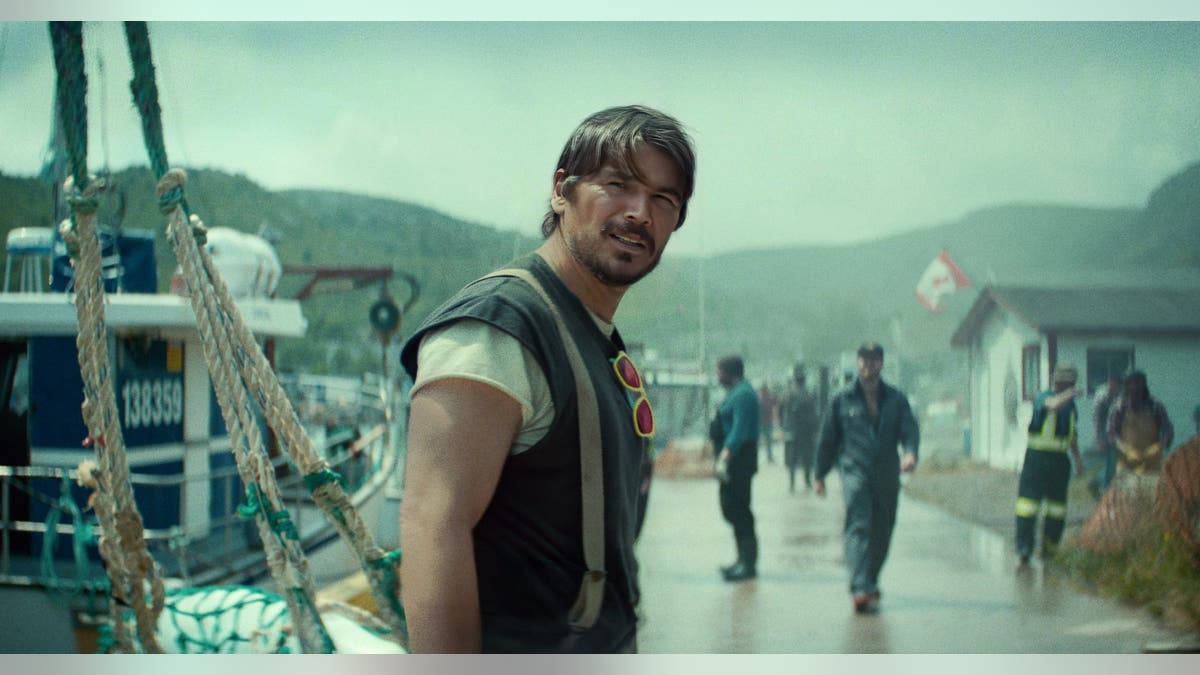
Why the last iceberg changes the meaning of the story
The ending does not simply promise another monster encounter. It changes the way Calvin looks at the ocean. Earlier, icebergs represent opportunity in a struggling fishing town; by the end, the same sight carries the memory of what the first iceberg concealed. The image therefore works on two levels: it is a suspense hook, and it is a measure of how much the characters have changed.
The environmental theme is part of that shift. Netflix’s official ending explainer describes the creature’s offspring as unable to survive in warming water. That detail turns the final unease into something larger than a conventional creature-feature cliffhanger. The threat is not only that nature can surprise people, but that a changing environment can make survival harder for every living thing caught in it.
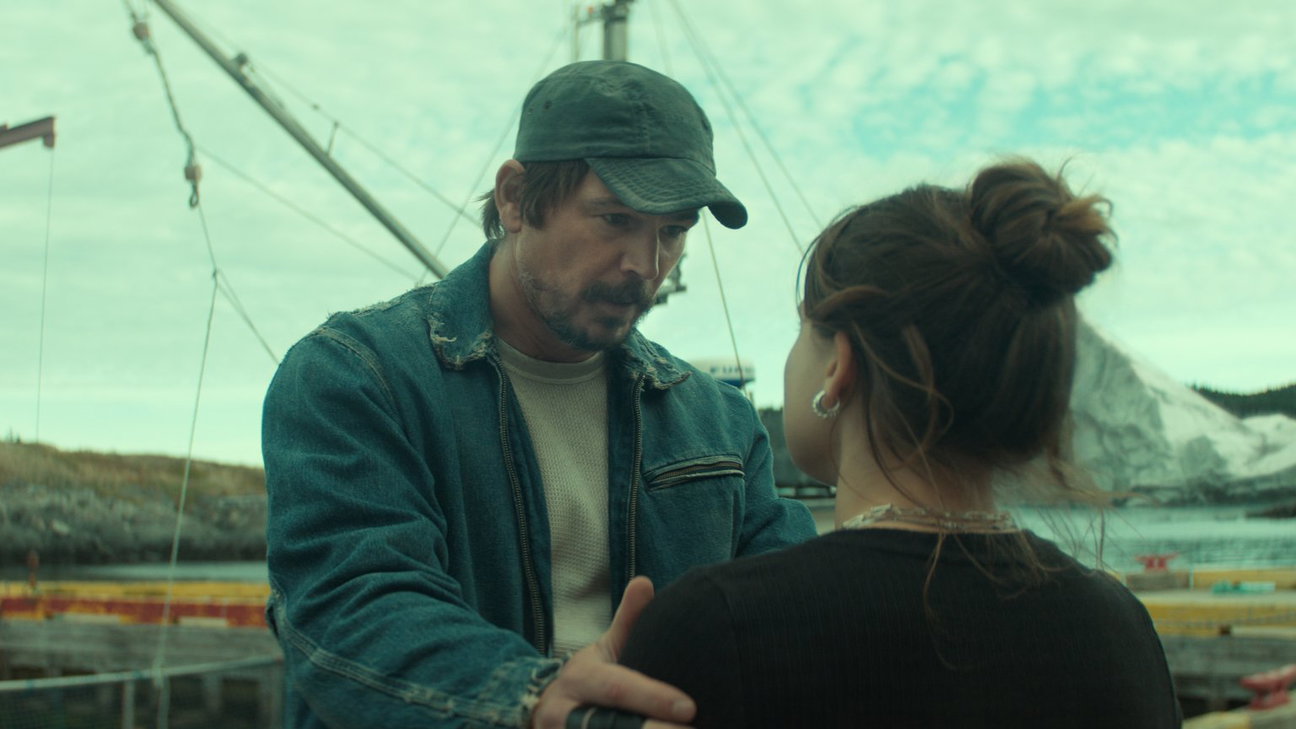
Watch the official teaser
The official teaser offers a useful sense of the series’ blend of maritime realism, dread and character drama. It is an official Netflix video, rather than a re-upload from an unverified account.

What to listen for on a rewatch
- The shift from everyday sound to unease: Notice how ordinary coastal life and ominous musical cues sit beside one another.
- The emotional weight of the house-towing memory: The opening tragedy gives later ocean imagery a personal cost.
- The meaning of “Iceberg Trance”: The cue’s title captures the story’s hypnotic, dangerous relationship with ice, even without assuming it is the exact track used over the final shot.
- The final image: The new icebergs do not explain what comes next. They leave the audience with the same uncertainty that has defined the series.
Frequently asked questions
Who composed the soundtrack for Netflix’s Below?
Mark Korven composed the original score for Below. Netflix Music released a soundtrack album on October 8, 2026.
Is “Iceberg Trance” the song heard over the final scene?
The published track list confirms that “Iceberg Trance” is part of the soundtrack, but the sources reviewed for this article do not confirm that it is the exact cue heard over the final shot. It is best understood here as a useful musical reference to the series’ iceberg motif, not a verified scene-by-scene cue attribution.
Why does Below’s ending feel unsettling?
The finale gives the characters a measure of safety but ends with more icebergs appearing offshore. That image suggests the mystery—and the environmental danger connected to it—may not be over.
Where can I find the official Below soundtrack?
Look for Below (Soundtrack from the Netflix Limited Series) by Mark Korven on major digital music services. Availability can vary by region.
Sources and further reading
- Netflix Tudum: Below ending explained
- Film Music Reporter: Below soundtrack album details
- Reuters: Cast of Netflix’s Below credit Newfoundland community for the show’s charm
- Netflix Tudum: Below photos, trailer and production background
Reporting note: The article distinguishes confirmed soundtrack credits from interpretation of the finale. Image captions link to the outlets or official sources where the images were found; reuse rights should be checked before republishing third-party imagery.


