

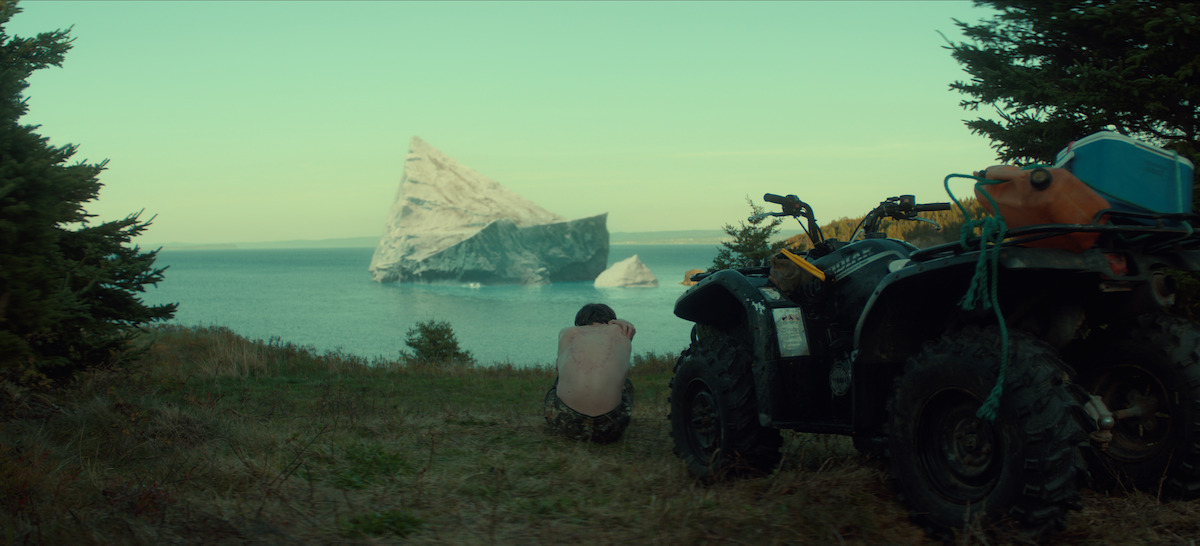
Netflix’s Below makes its sea creature frightening by grounding the impossible in a believable coastal world. The series combines Newfoundland locations, real performers, boats, water, weather and carefully composed creature imagery. But there is an important distinction between what the production has publicly confirmed and what viewers can infer from the finished show: a complete, shot-by-shot breakdown explaining exactly which monster moments used practical effects and which were created with CGI has not been publicly detailed in the sources reviewed for this article.
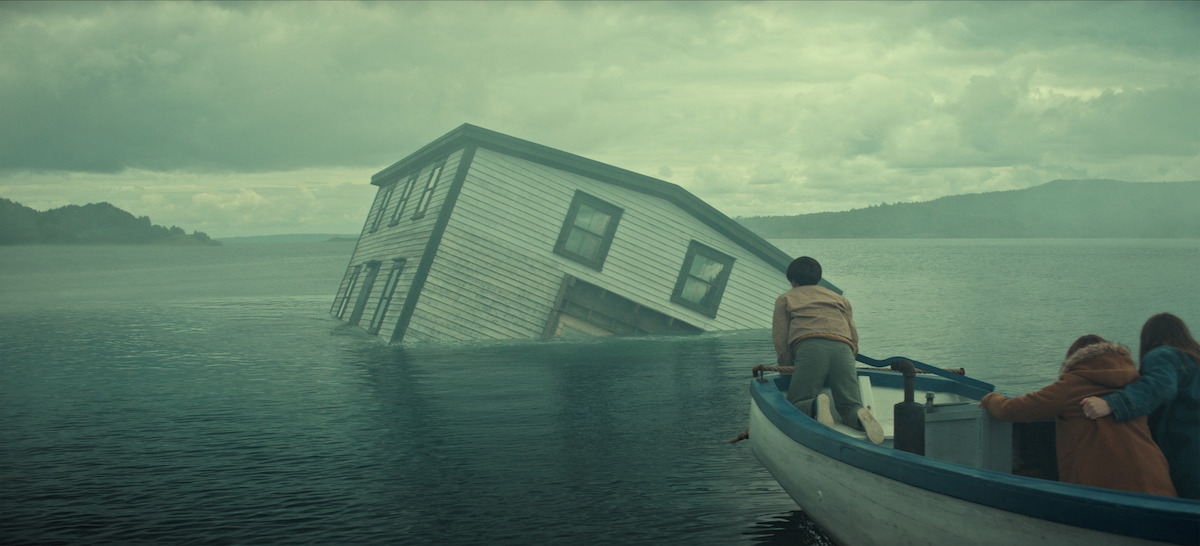
The six-episode thriller stars Josh Hartnett as Newfoundland fisherman Calvin Penney, who tries to protect his family and community when an unidentified sea creature threatens their town. The setting matters: the story depends on the audience believing in the cold water, isolated shorelines, working fishing boats and the danger of something unseen beneath the surface.
What is confirmed about Below’s visual effects?
The industry publication The Art of VFX lists Mr. X, Untold Studios and Rodeo FX among the visual-effects companies working on Below. It also identifies Matt Glover as production visual-effects supervisor and Annie Godin as production visual-effects producer. Those credits establish that specialist VFX teams contributed to the series, although the listing does not publish a detailed breakdown of individual creature shots or identify which scenes used physical effects on set.
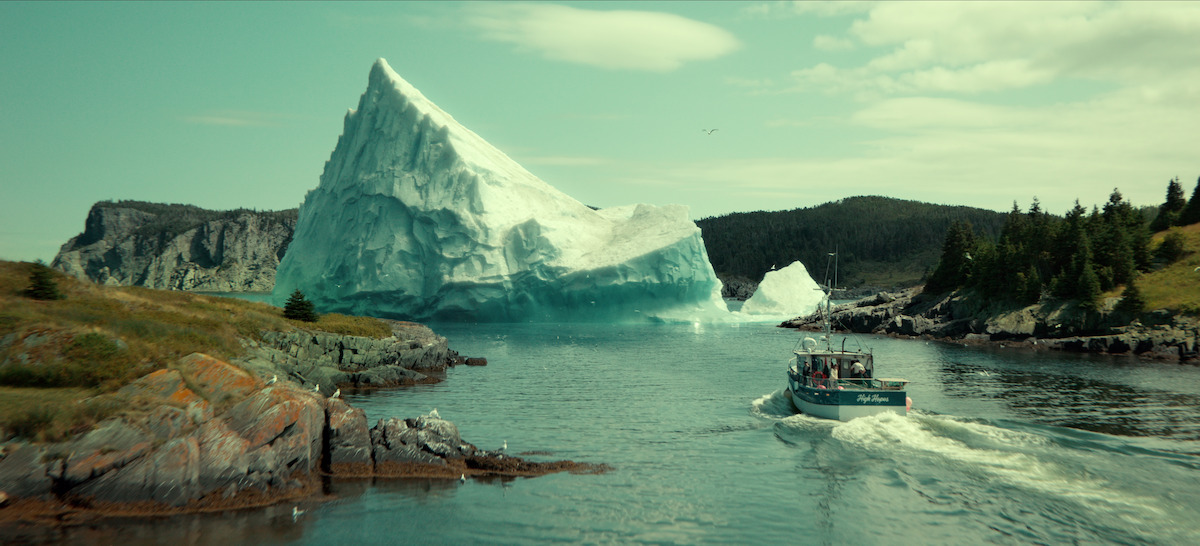
Netflix’s own first-look coverage of Below confirms that the production filmed in Newfoundland and highlights the series’ coastal locations and cast. In a separate Netflix Tudum feature about the teaser, Charlie Heaton describes working on practical locations and being out on the ocean. That real-world setting gives the effects team genuine environmental details to build around.
Why practical locations make a digital monster feel real
Practical effects are physical elements created or performed on set: water splashes, wet clothing, ropes under tension, boat movement, props, lighting and actors reacting to real surroundings. CGI, or computer-generated imagery, can add elements that would be too dangerous, expensive or impossible to stage physically—such as a giant creature moving beneath a vessel or an enormous body passing through a narrow harbor.
This is a general explanation of how creature filmmaking often works, not a claim that every listed technique was used in a particular Below shot. The show’s public production coverage confirms on-location ocean work and professional visual-effects involvement, but does not specify a complete practical-versus-digital recipe.
When a scene starts with real water, a real boat and actors responding to genuine movement, digital additions have a physical context to match. The light on the surface, the horizon, spray, reflections and the camera’s movement all help the final image feel coherent. If a creature is added later, the effects team can match its scale and motion to those photographed details.
How CGI can sell a creature that stays mostly unseen
One of the oldest tricks in creature horror is to delay a full reveal. A disturbance in the water, a sudden change in a boat’s movement or a character’s reaction can communicate danger before the audience sees a clear outline. That approach can also preserve mystery: viewers are left imagining the creature’s size and position.
Digital effects can extend what the camera captures—showing a mass under the surface, changing the water around an unseen body or creating a scale that a real animal could not provide. Editors can then combine those shots with reaction close-ups and wider views of the coastline. The result works best when the creature feels as though it belongs in the same physical environment as the cast.
That principle is especially useful for Below, where the threat is connected to the North Atlantic and to a community that depends on the sea. The landscape is not simply a background; it shapes the story’s tension.
Why the actors’ reactions matter as much as the monster
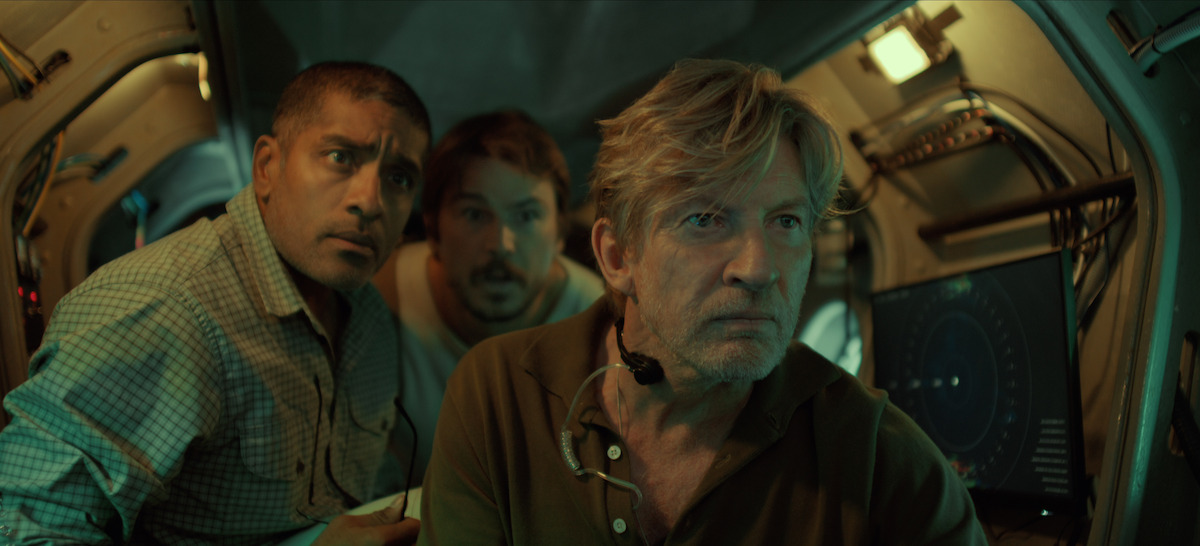
A convincing creature shot is not only about the creature model. Performance, camera placement, timing and sound all tell the viewer how large or close the threat feels. An actor looking toward the wrong part of the frame can break the illusion; a well-timed glance, recoil or moment of silence can make an unseen presence feel immediate.
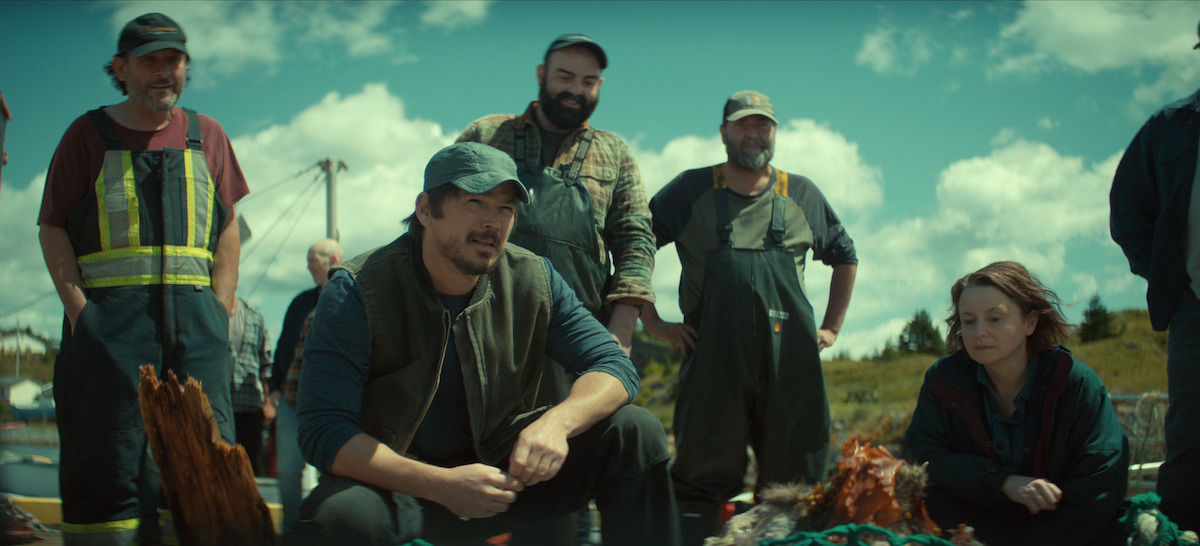
Below also has to balance creature horror with family drama and the town’s struggle to protect its future. Grounded performances give the audience a reason to care about the danger before the series reveals more of it. When the supernatural event threatens familiar people and places, the visual spectacle has emotional stakes.
What the production has not publicly explained
It would be misleading to label a particular tentacle, splash or creature close-up as a practical prop or a CGI element without a production breakdown or a direct statement from the effects team. The public credits confirm the involvement of Mr. X, Untold Studios and Rodeo FX, but the sources cited here do not map each studio to specific shots or provide a scene-by-scene workflow.
That distinction matters because still photographs and finished scenes cannot, by themselves, prove how an effect was made. A shot that looks physical may include digital enhancement; a fully digital creature can be composited into footage captured on a real boat. Without production notes, interviews or a VFX breakdown, the exact method remains unconfirmed.
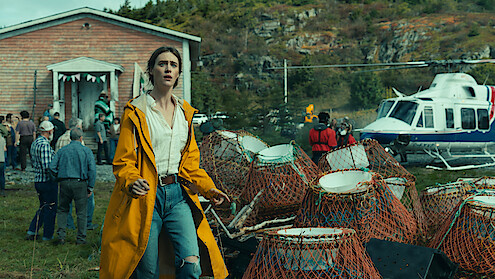
Watch the Below trailer
The trailer offers a look at the series’ combination of coastal locations, character reactions and glimpses of the unexplained threat. It is useful as a visual reference, though it is not a behind-the-scenes effects breakdown.
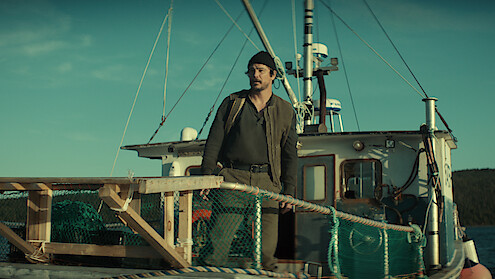
Frequently asked questions
Which visual-effects studios worked on Below?
The Art of VFX lists Mr. X, Untold Studios and Rodeo FX as visual-effects companies on Below. It also credits Matt Glover as production VFX supervisor and Annie Godin as production VFX producer.
Did Below use practical effects or CGI for its sea monster?
The series has credited visual-effects teams, and Netflix’s production coverage confirms real on-location ocean work. However, the sources reviewed here do not provide a full breakdown of which individual creature shots used practical effects, CGI or a combination of both.
Was Below filmed in a real coastal location?
Yes. Netflix Tudum says the series was filmed in Newfoundland, Canada. The real coastline and ocean work help establish the show’s isolated fishing-town atmosphere.
Where can I watch Below?
Below is available on Netflix. The six-episode limited series stars Josh Hartnett, Mackenzie Davis and Charlie Heaton.
Sources
- The Art of VFX — Below visual-effects credits
- Netflix Tudum — Below trailer, cast, photos and filming location
- Netflix Tudum — Below teaser and on-location production comments
- Netflix — Below official series page
By Shivam Das


