

Is Below Netflix’s best creature feature in years? It has a convincing case—not because every scare lands perfectly, but because this six-episode Newfoundland thriller gives its monster a purpose beyond wrecking boats and jolting viewers out of their seats. The series combines a genuinely eerie ocean mystery, a close-knit community under pressure, and a surprisingly tender question: what if the thing everyone fears is also fighting to survive?
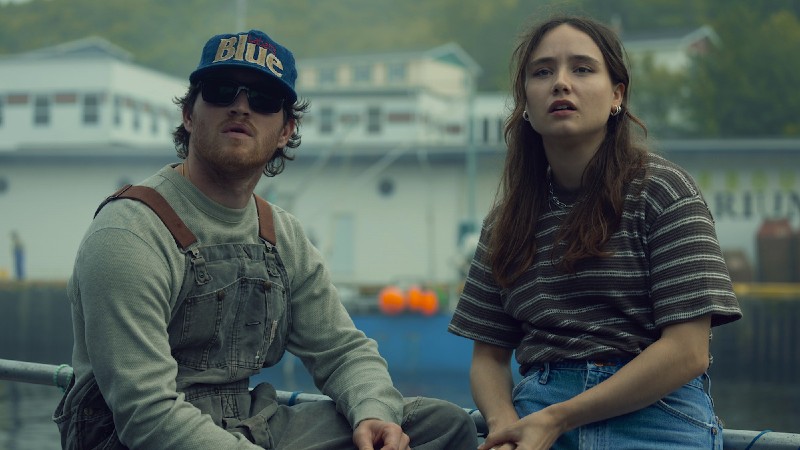
Below stars Josh Hartnett as Calvin Penney, a fisherman haunted by his father’s death, alongside Mackenzie Davis as marine researcher Fonda Howander and Charlie Heaton as Calvin’s son, Wade. Created by Jesse McKeown, the limited series unfolds in the fictional Newfoundland community of Snook’s Arm. Netflix describes it as a six-part thriller about a mysterious sea creature threatening a town and its vanishing way of life. Netflix’s official series guide provides the cast, premise, and production background.
Quick answer: what makes Below stand out?
Below earns its place among Netflix’s more memorable recent creature stories because its setting, family drama, and environmental themes are tied directly to the monster plot. The series is not flawless: its tone can swing from grim horror to oddball coastal humor, and some supporting storylines receive less room than they deserve. But the central mystery keeps developing, and the finale asks viewers to reconsider what “the monster” really means.
1. The setting feels like part of the threat
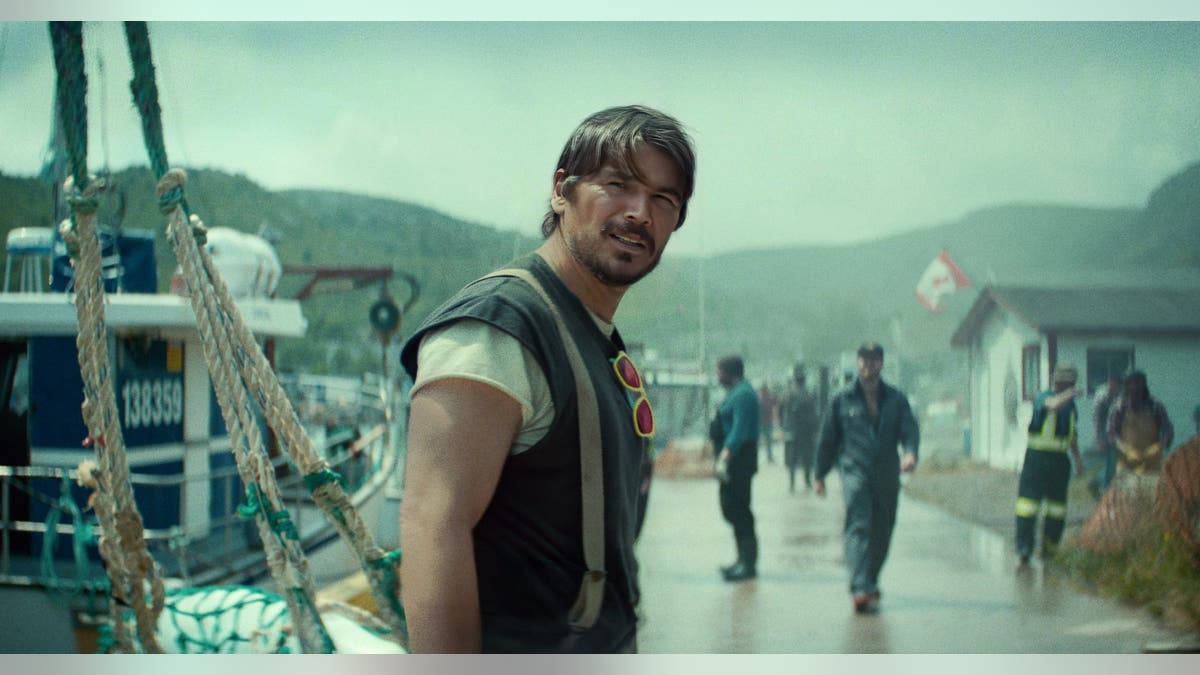
Creature features often use the ocean as a dark backdrop. Below makes the North Atlantic feel like a living presence. The cold harbor, working boats, icebergs, and isolated shoreline shape what the characters can do—and what they cannot know. The town’s dependence on fishing and iceberg harvesting also makes the setting economic, not merely atmospheric.
That specificity matters. Snook’s Arm is not a generic place where a monster happens to appear. Its residents are already dealing with uncertainty about their livelihoods and whether outsiders will force them to leave. The sea creature intensifies those existing pressures rather than replacing them.
2. The creature is more than a jump-scare machine
The best monster stories give the audience a reason to keep thinking after the danger passes. In Below, the mystery gradually shifts from “What is in the water?” to “Why is it here, and what has the town misunderstood?” The giant cephalopod is frightening, but the story also frames it as an animal responding to a vulnerable environment.
That perspective does not erase the damage the creature causes. Instead, it complicates the usual human-versus-monster formula. The danger is real, yet the creature’s behavior becomes easier to understand once the characters uncover what it is protecting. The result is closer to ecological horror than a simple hunt-and-destroy adventure.
3. Josh Hartnett gives Calvin a believable emotional anchor
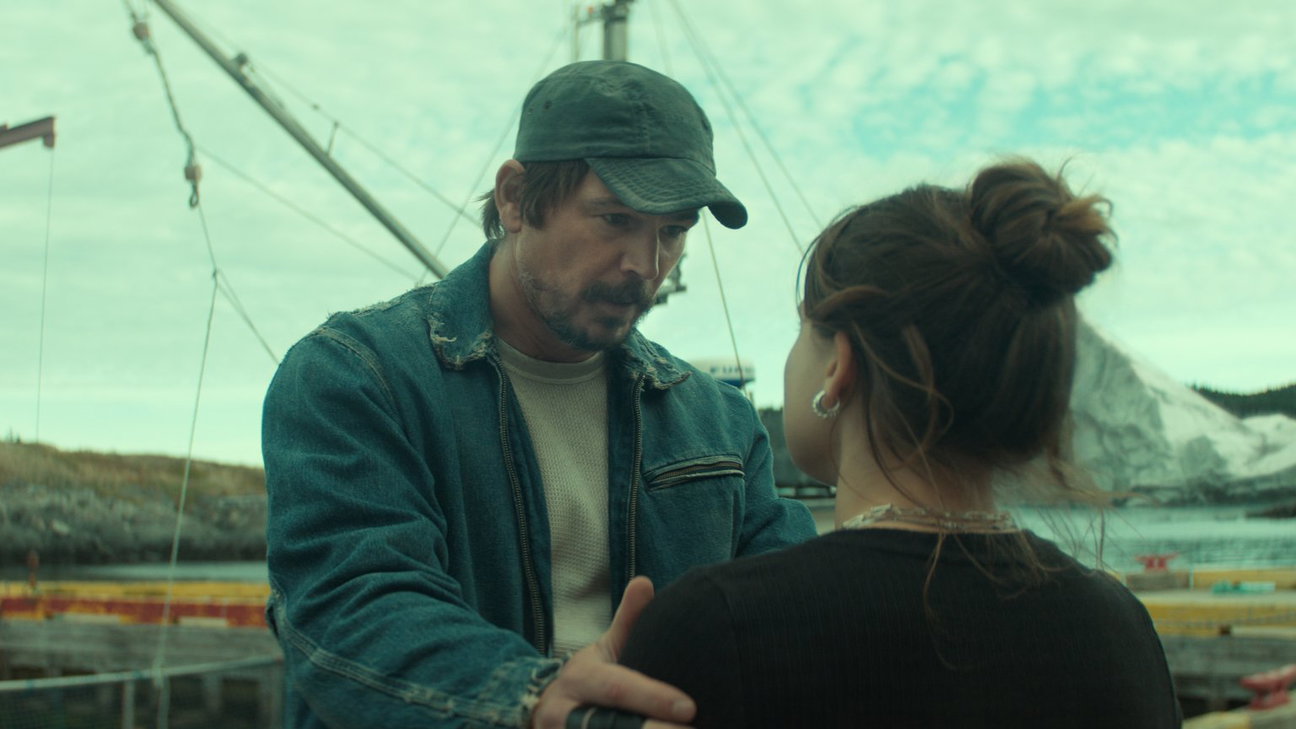
Calvin is stubborn, grieving, protective, and not always easy to like. That combination helps the series. His history with the sea creature is tangled up with the childhood trauma of losing his father, so each new discovery carries emotional weight. Hartnett plays him as someone who has spent years turning fear into routine—and who must finally reconsider the story he has told himself about the past.
Calvin’s relationship with Wade adds another layer. The father and son do not always know how to speak honestly to one another, but the danger forces old wounds into the open. Their conflict gives the series a human through-line even when the mythology gets strange.
4. Mackenzie Davis and Charlie Heaton make the mystery personal
As Fonda, Davis brings a scientific point of view without turning the character into an exposition machine. She wants evidence, but she also recognizes that the town’s fear and history cannot be understood from data alone. Her work helps the story move from folklore toward explanation, while leaving room for the uncanny.
Heaton’s Wade sits between the town’s inherited beliefs and its uncertain future. His experiences are unsettling partly because he cannot always explain them, and partly because his father’s instinct is to protect him before he fully understands him. The performances are strongest when the series lets these characters react, disagree, and sit with uncertainty instead of rushing to the next reveal.

5. The real human threat is not always underwater
One of the show’s smartest choices is to put the creature beside a more familiar kind of danger: powerful people who see a struggling town as an asset to acquire, relocate, or exploit. The looming buyout and pressure to abandon home make the residents vulnerable before the monster ever surfaces.
This conflict keeps the series from becoming a string of attacks. Even if the creature vanished, Snook’s Arm would still face a fight over who gets to decide its future. That parallel is what gives the show’s community story its bite—and why the monster can feel less frightening than the people who treat the town as disposable.

6. The finale lands because it changes the meaning of the story
Spoilers for the ending: Calvin’s final choice is not a triumphant monster kill. He takes the creature and its egg sac away from the town, giving its young a chance in deeper water. The mother’s fate is tragic, and the hatchlings’ prospects remain uncertain as the environment changes. That bittersweet outcome turns the climax into a story about responsibility rather than victory.
The final image of more icebergs approaching keeps the ending open, but it is not simply a sequel tease. As creator Jesse McKeown explained to Netflix Tudum’s ending breakdown, the icebergs suggest that conditions are likely to become stranger and more dangerous. Calvin once saw icebergs as a way to make money; after what he has learned, he sees something much darker.
That is a stronger final note than a last-minute roar from the monster. The threat has not necessarily ended, and the town’s economic and environmental problems have not disappeared. The characters may have survived this crisis, but they have not gained control over the forces changing their world.
Where Below falls short
Calling Below a standout does not mean calling it perfect. Its tonal shifts will not work for every viewer: grim scenes can sit beside eccentric humor, and a few side plots feel underdeveloped compared with Calvin’s central arc. Some viewers looking for relentless creature action may also find the series more interested in grief, community politics, and ecology than in nonstop scares.
That mixed response is reflected in reviews. The Guardian’s review sees the series as an entertaining, strange blend of horror and humor, while noting that its environmental ideas can get lost in the eccentricity. The Financial Times review is more reserved, praising the performances and setting but finding the drama less successful than its premise promises. Those differences are useful: Below is a distinctive creature drama, not a universally effective scare-fest.
Is Below Netflix’s best creature feature in years?
There is no objective scoreboard for “best,” and the answer depends on what a viewer wants from the genre. If the priority is constant action, the series may not top the list. If the priority is atmosphere, a creature with a tragic logic, a convincing coastal community, and a finale that expands the story’s meaning, Below has a strong case.
Its greatest achievement is that the monster does not feel separate from the world around it. The town’s fear, Calvin’s guilt, the corporate pressure, and the changing ice all feed the same story. That cohesion is what makes Below linger after the last episode—and what puts it among Netflix’s more interesting recent creature features.
Frequently asked questions
Is Below worth watching on Netflix?
Yes, especially if you like atmospheric creature horror, family drama, and environmental themes. Viewers who want nonstop action may find its slower, character-focused stretches less satisfying.
How many episodes are in Below?
Below is a six-episode limited series on Netflix.
Who stars in Below?
The main cast includes Josh Hartnett as Calvin Penney, Mackenzie Davis as Fonda Howander, and Charlie Heaton as Wade Penney.
Is the creature in Below a giant squid?
The series reveals a giant cephalopod at the center of the mystery. Its story is connected to the iceberg, its young, and the environmental conditions threatening their survival.
Will Below get a Season 2?
Netflix presents Below as a limited series, and a second season has not been officially confirmed. The final image leaves room for more story, but that is not the same as a renewal announcement.
By Shivam Das
Editorial note: This article is an independent review and analysis. Images are credited to their respective publishers or Netflix publicity sources.


