

Spoilers ahead for Netflix’s Below.
At first, Below seems to offer a familiar creature-feature setup: a remote Newfoundland fishing town, a terrifying presence in the water, and a community trying to survive. But the show’s most unsettling antagonist isn’t the giant cephalopod known as Mudder. It’s the Crocker family—the wealthy power brokers who understand that fear can make people surrender land they would never willingly sell.
That distinction changes the meaning of the series. Mudder is dangerous, but her behavior has a motive tied to protecting her young and a rapidly warming environment. The Crockers, by contrast, understand exactly what they’re doing. They turn a real emergency into leverage, using the monster as a convenient story to hide a much more ordinary form of exploitation: resource extraction and a rigged resettlement process.
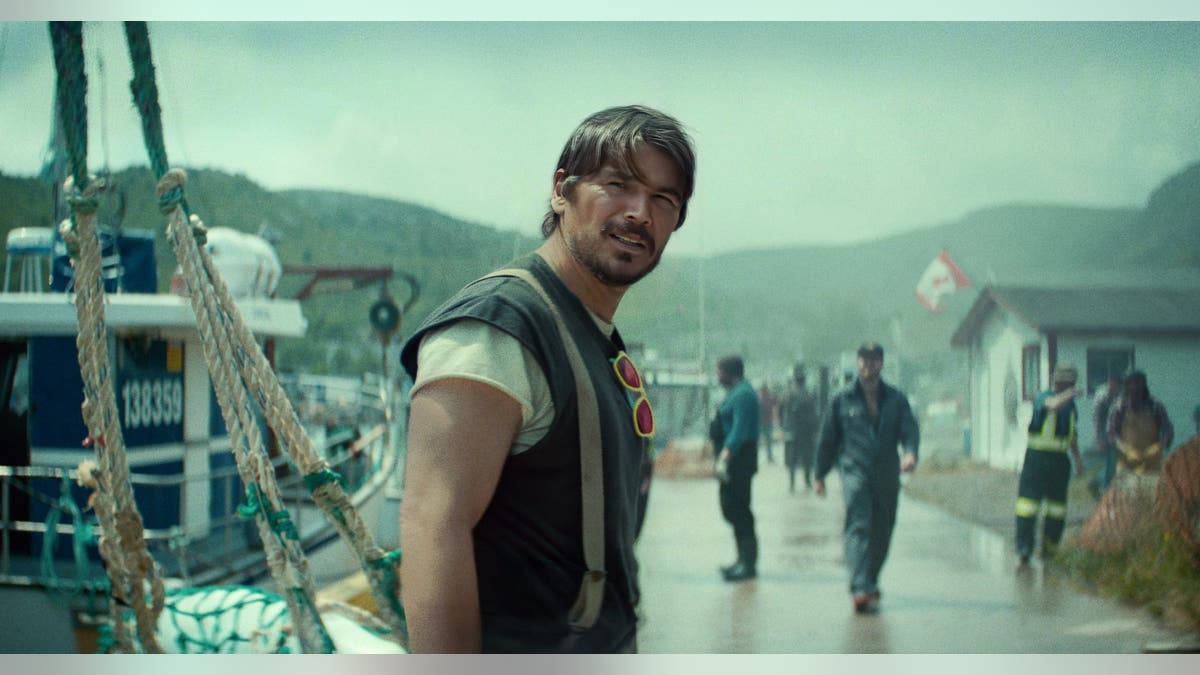
The Crockers’ real plan is about land, not survival
The resettlement vote initially looks like a grim but practical response to a town in crisis. Snook’s Arm is struggling, people are frightened, and officials can present leaving as the safest option. The Crockers benefit from that framing because a frightened community is less likely to ask what its land is worth—or who stands to profit once the residents are gone.
Calvin’s discovery of an old mining permit exposes the motive underneath the public story. The family’s interest in the area reaches back to valuable deposits of cobalt and copper that extend beneath the ocean from Little Pot Rock toward Snook’s Arm. Earlier displacement was not simply an unfortunate government decision; it also served private economic interests. The new vote threatens to repeat the same pattern.
That is why the Crockers are more frightening than a creature lurking offshore. Mudder’s presence is visible through its consequences, even if the animal itself remains mysterious. The corporate plan is hidden behind paperwork, official-sounding explanations, and the language of public safety. It can look legitimate right up until someone follows the money.
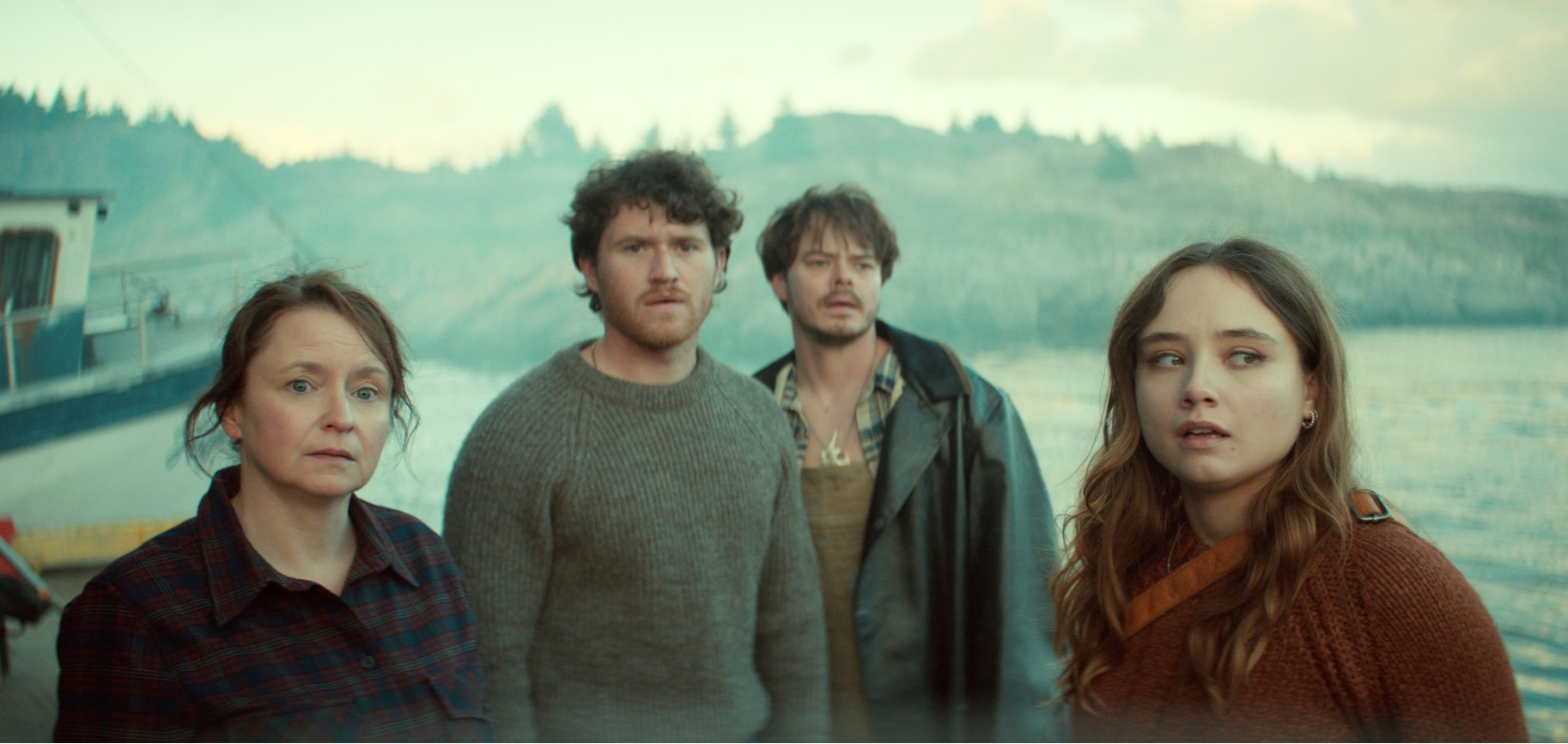
Fear becomes a business strategy
The Crockers don’t need every resident to believe the same explanation. They only need enough people to accept that staying is too risky. Once the town is framed as an uncontrollable danger zone, evacuation can be sold as common sense. The prospect of a military strike makes that pressure even stronger: if the harbor is destroyed, returning home could become impossible.
Jim Crocker’s push to eliminate Mudder therefore serves two purposes. It presents him as someone helping resolve a public threat, while the destruction would also clear the way for the land to be exploited. In the finale, Calvin recognizes that a bombing would not simply kill a monster. It could erase the community’s ability to return and leave the Crockers free to “gut this place for all it’s worth.”
The show’s point is not that every official or emergency response is secretly corrupt. It is that a crisis creates an opportunity for people who already hold power—and that the public may not see the difference between a necessary intervention and a profitable one until it is almost too late.
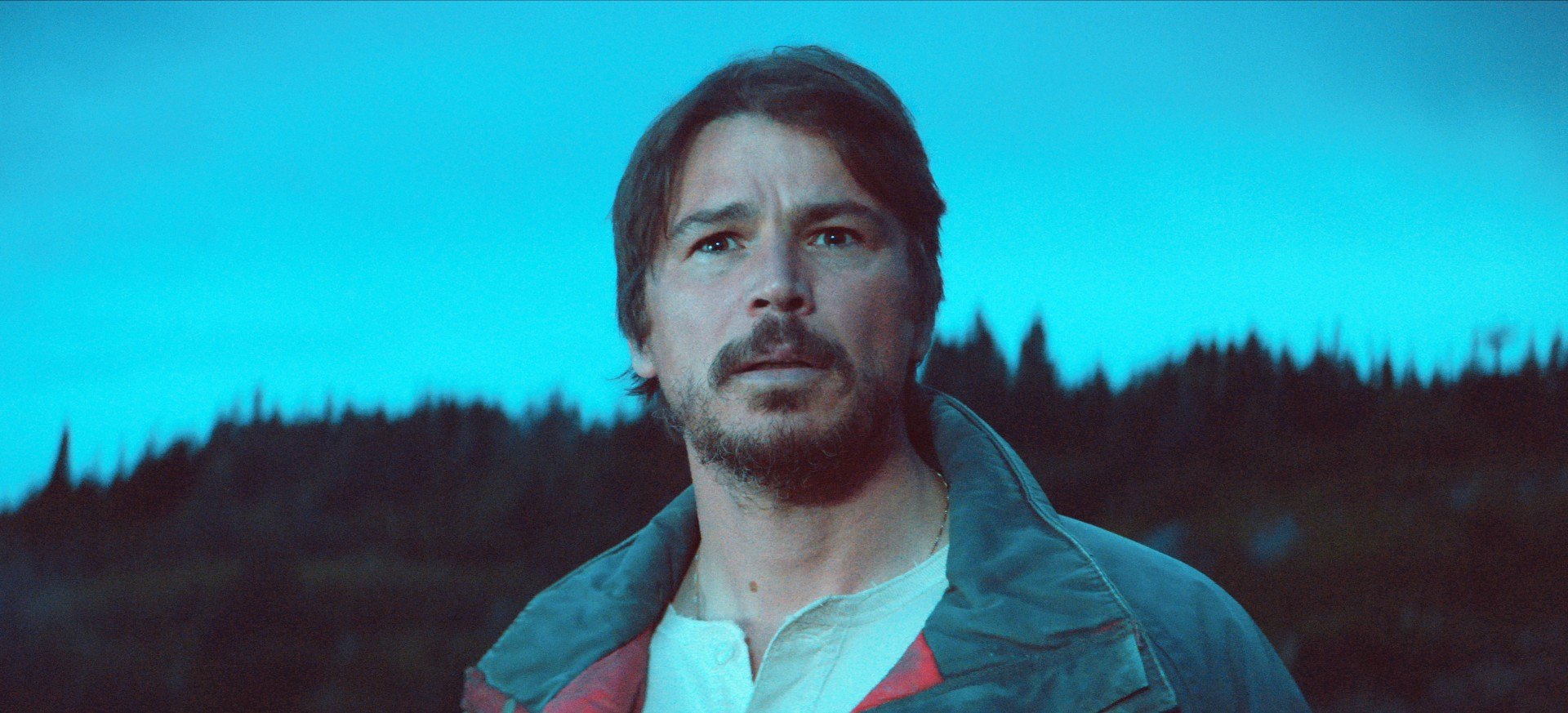
Jan Crocker shows how the scheme reaches inside the town
Jim’s daughter Jan, who oversees the resettlement vote, is not a neutral outsider. Her role connects the family’s private interests to the public process that is supposed to decide the town’s future. That revelation gives the scheme a more personal edge: the residents are not just facing a powerful family somewhere in the distance. The family has placed someone inside the machinery of decision-making.
Jan’s position also helps explain why the vote is so important to the plot. Control does not always arrive as a dramatic takeover. Sometimes it arrives through procedures that appear ordinary, with the outcome tilted by the people who control the information and the options on the table. The residents are being asked to choose, but the series reveals that the choice has been manipulated from the start.
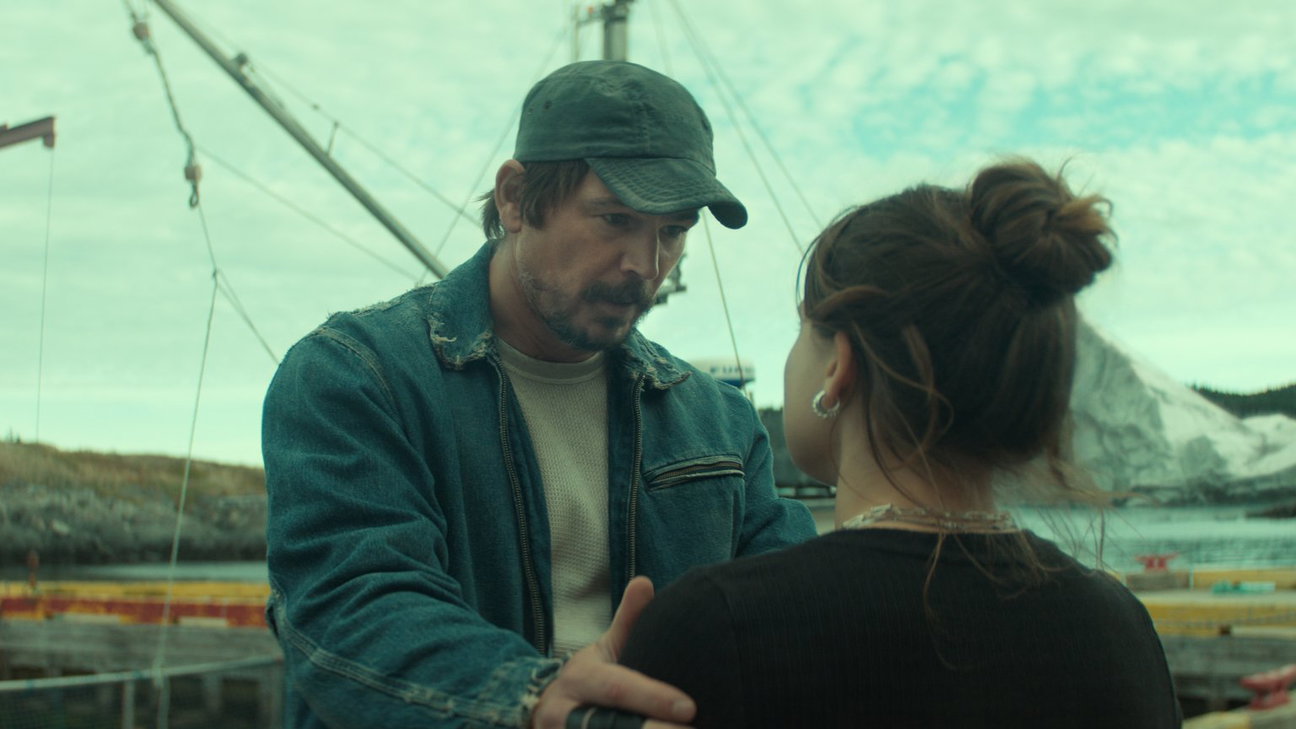
Why Mudder isn’t the true villain
Mudder attacks people, and the series never pretends those deaths are harmless. But Fonda Howander’s research reframes the creature’s behavior: Mudder is protecting an egg sac trapped in an iceberg, and the warming water threatens the survival of her young. Her secretions also contaminate melting ice and draw victims toward the ocean. The danger is real, but it is not the same thing as deliberate greed.
That difference is central to the show’s moral structure. Mudder acts according to an animal’s survival instincts in a changing environment. The Crockers understand the town’s vulnerability and deliberately exploit it. One threat is ecological and tragic; the other is political and economic. By making the creature more understandable as the story progresses, Below pushes viewers to look beyond the most spectacular danger on screen.
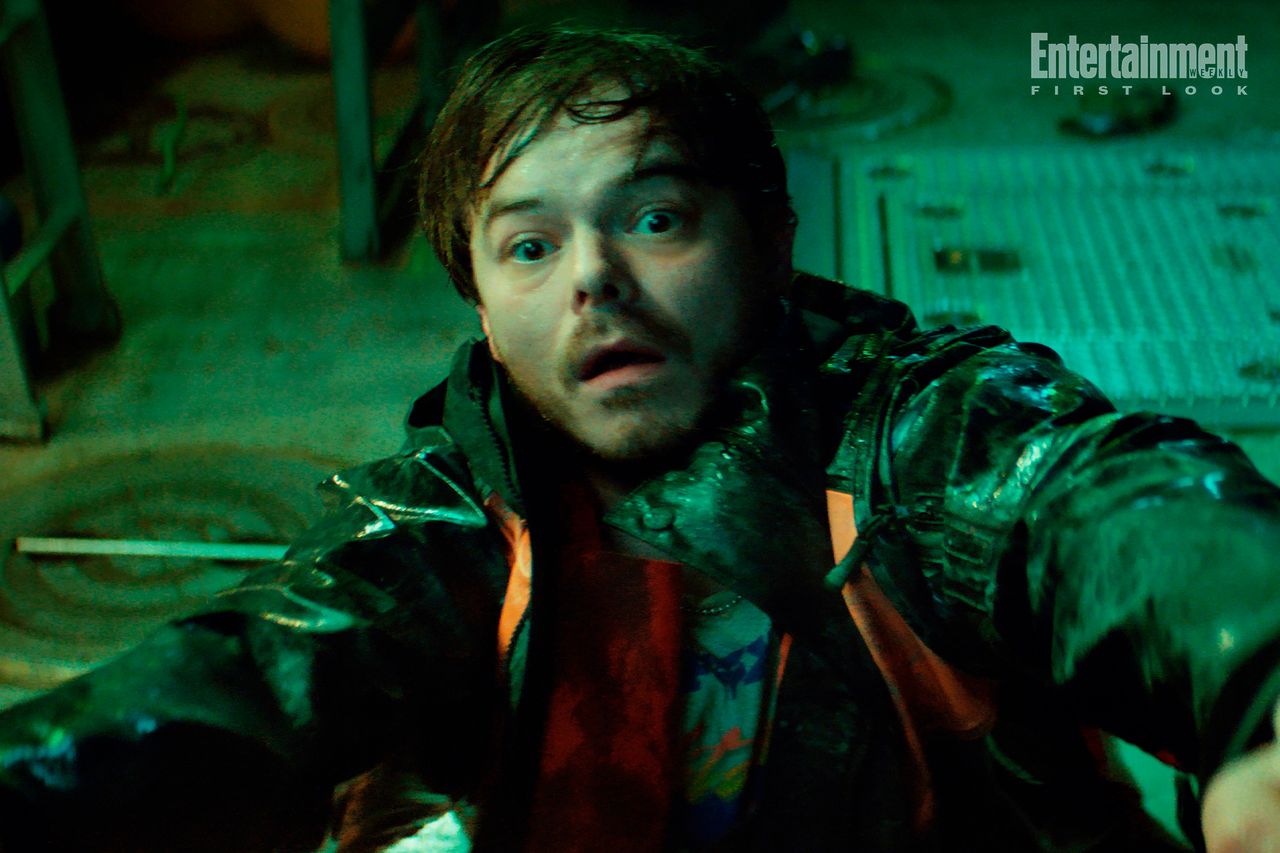
Calvin’s discovery changes the meaning of his past
For years, Calvin has carried the guilt of cutting the rope that connected his family’s house to their boat when he was a child. He believed that choice made him responsible for his father’s death. Learning about the Crockers does not undo the tragedy, but it gives him a wider explanation for why his family was forced to leave home in the first place.
That revelation is a turning point. Calvin has spent much of his life treating the past as a personal failure, while the series gradually shows how government decisions and private wealth shaped the events around him. His response in the finale is not simply revenge. He chooses to protect the town and the creature’s young, refusing to let the Crockers dictate what happens next.
The ending: a victory, but not a clean one
Calvin and his family help move Mudder and the iceberg carrying her egg sac toward deeper water, preventing the planned strike from destroying the harbor. The resettlement vote is thrown out, and the community begins to recover. But the Crockers have not vanished; the story makes clear that they can return and push for another vote.
That unfinished conflict matters. The town wins a battle, not permanent immunity from exploitation. The final image of more icebergs adds another layer of uncertainty, suggesting that the ecological consequences are not over either. The series leaves viewers with two linked questions: what else is emerging from the warming ocean, and what will powerful people do when the next crisis arrives?
Quick answer: Who is the real villain in Below?
The Crocker family is the show’s central human villain. They exploit the fear surrounding Mudder to manipulate Snook’s Arm’s resettlement vote and gain access to valuable mineral resources. Mudder is dangerous, but the finale reveals a creature trying to protect its offspring in an environment made increasingly hostile by warming waters.
Frequently asked questions
Why do the Crockers want Snook’s Arm?
Calvin finds a mining permit that points to valuable cobalt and copper beneath the area. Forcing residents to leave would make it easier for the family to pursue resource extraction without paying the community what its land is worth.
Is Jan Crocker part of the plan?
Yes. Jan is Jim Crocker’s daughter and has been overseeing the resettlement vote, connecting the family’s interests to the process that should determine the town’s future.
Did the Crockers create the sea monster?
No. The series does not reveal the Crockers as creators of Mudder. Their wrongdoing is using the creature’s attacks as leverage to push residents out.
Why does Fonda defend Mudder?
Fonda discovers that Mudder is protecting an egg sac trapped in an iceberg. She argues that the creature should be studied and moved to safer water rather than destroyed in a strike that could also devastate the town.
Does the ending mean the Crockers are gone for good?
No. The resettlement vote is overturned, but the series signals that the family may try again. The town’s immediate victory does not erase the economic interests beneath the conflict.
Sources and further reading
- Netflix Tudum: Below ending explained
- Netflix Tudum: Below cast, plot, and first-look photos
- TV Insider: Below finale and the Crockers’ role
Written by Shivam Das.


