

Spoilers for all six episodes of Netflix’s Below.
Below looks like a creature-feature about a Newfoundland fishing town being terrorized by something enormous beneath the ice. But the finale quietly reframes the whole story with one familiar action: Calvin Penney cuts a line and lets go. That action echoes the childhood decision that has haunted him for decades, turning the ending into a story about guilt, parenthood, and choosing understanding over fear.
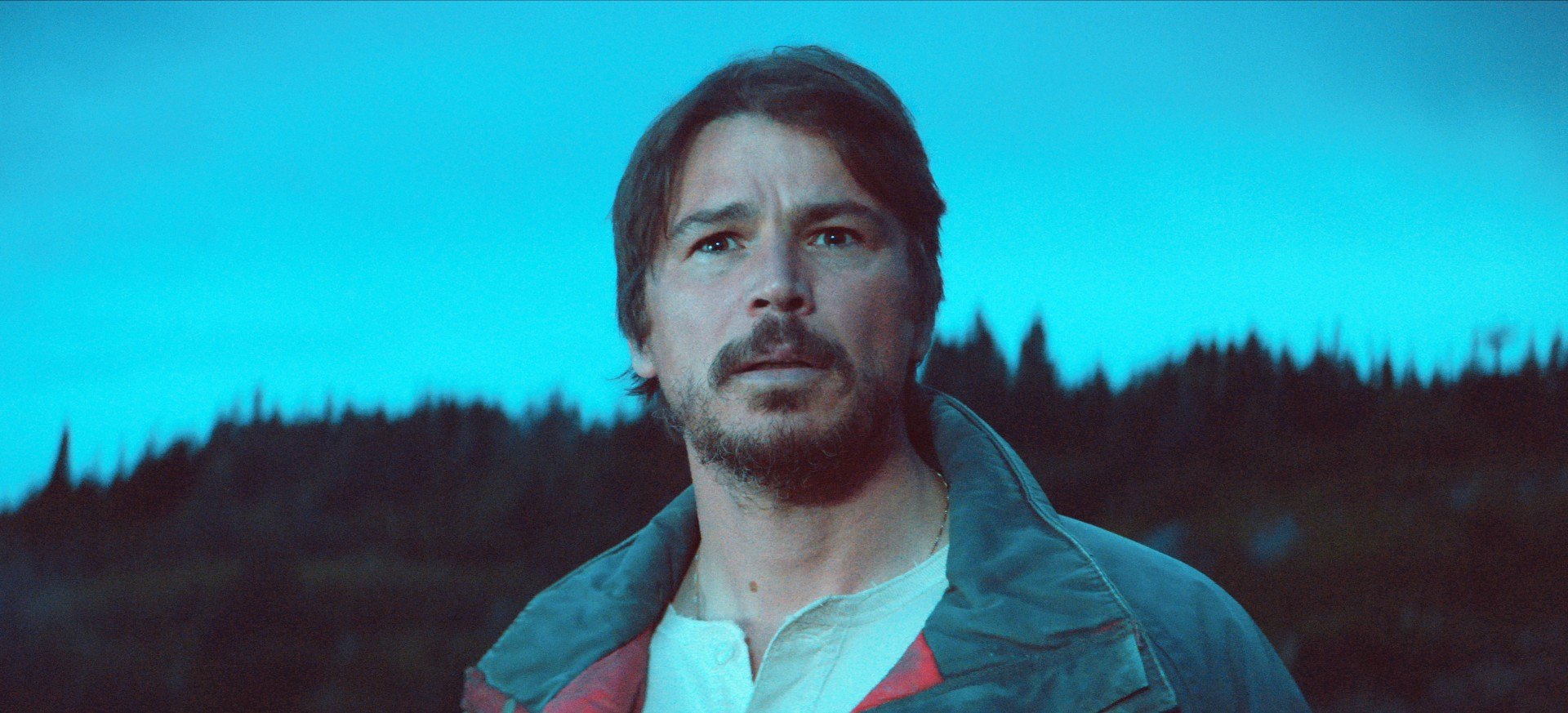
The detail hiding in plain sight: Calvin cuts the line again
As a child, Calvin watched a mysterious force drag his family’s house into the sea while they were being towed from Little Pot Rock to a new home. To save the rest of his family, he cut the rope connecting the house to their boat. His father was still inside. Calvin survived, but he carried the emotional weight of that decision into adulthood.
In the finale, adult Calvin makes a strikingly similar choice. He uses his fishing boat to tow the section of iceberg containing Mudder’s egg sac toward deeper, colder water. Once the creature and her young are far enough from the town, he cuts the line connecting his boat to the net. The image deliberately recalls the opening tragedy—but this time, Calvin understands what he is releasing and why.
The first cut is made in panic, by a child trying to save whoever he can. The final cut is made with knowledge and compassion. Calvin cannot rewrite the past or bring his father back, but he can stop treating every encounter with the sea as a chance to settle an old score. That visual echo is the emotional hinge of the finale.
Why Mudder was never just a monster
For much of the series, Mudder’s attacks make her seem like a straightforward threat. People become desperately thirsty, the town’s water supply turns dangerous, and fear spreads through Snook’s Arm. Fonda Howander’s investigation changes the picture: Mudder’s secretions have contaminated ice melting into the local water system, while the creature is fiercely guarding an egg sac trapped in the iceberg.
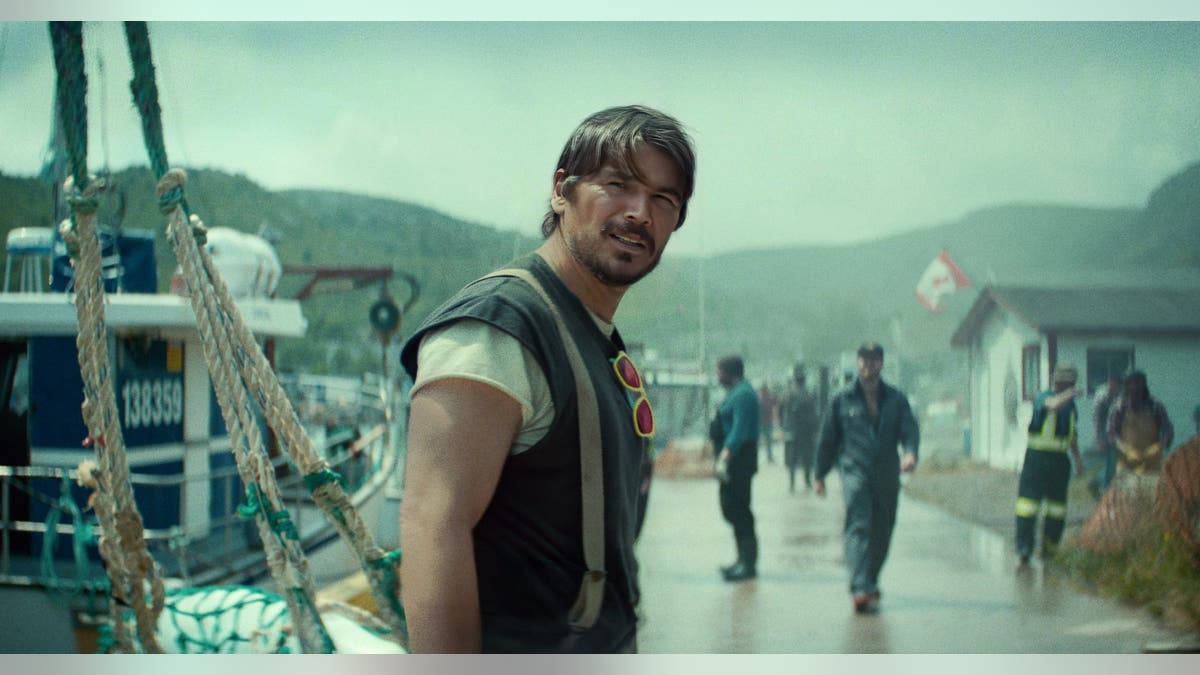
The creature is dangerous, but the finale asks viewers to distinguish danger from malice. Mudder is trying to protect her offspring in warming water that may not let them survive. That does not erase the deaths and suffering connected to her arrival. It does, however, make the plan to destroy her look less like a clean victory and more like a rushed response to a problem nobody has properly understood.
By moving the egg sac instead of simply destroying the creature, Calvin sees a parent fighting for its young and recognizes something familiar. The emotional turn is not that Mudder becomes harmless; it is that Calvin finally sees a living being rather than only the symbol of his own trauma.
The human threat matters just as much
The Crockers’ plan to force the community out and exploit the area for profit gives the finale another layer. Destroying Mudder near the harbor could devastate the town and make its land easier to take. Fonda’s findings and Calvin’s plan challenge the assumption that the only answer is to eliminate whatever looks threatening.
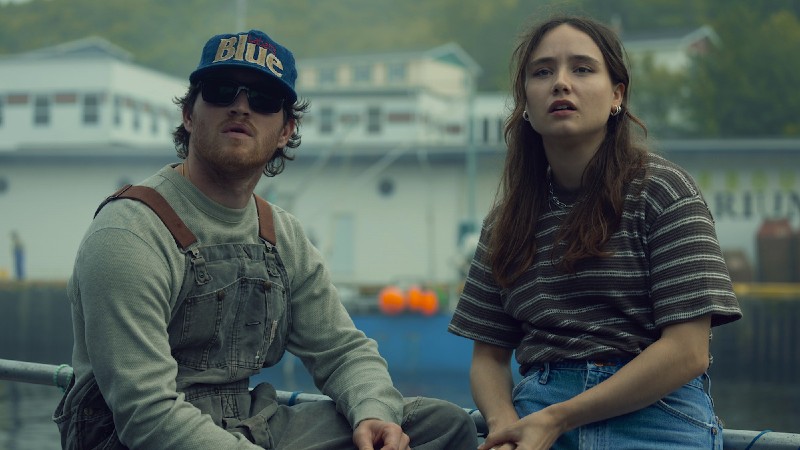
A creature can be frightening, but so can people who turn a crisis into an opportunity to seize land and resources. Snook’s Arm’s survival depends on more than defeating a monster; it depends on residents recognizing what is happening and acting together before someone else makes the decision for them.
What the final icebergs actually change
After the immediate crisis passes, Calvin’s family is together and the town has a chance to rebuild. Then Calvin and Wade spot more icebergs out at sea. The image does not prove another creature is present. Instead, it reopens the possibility that the event they have survived is part of a larger pattern.
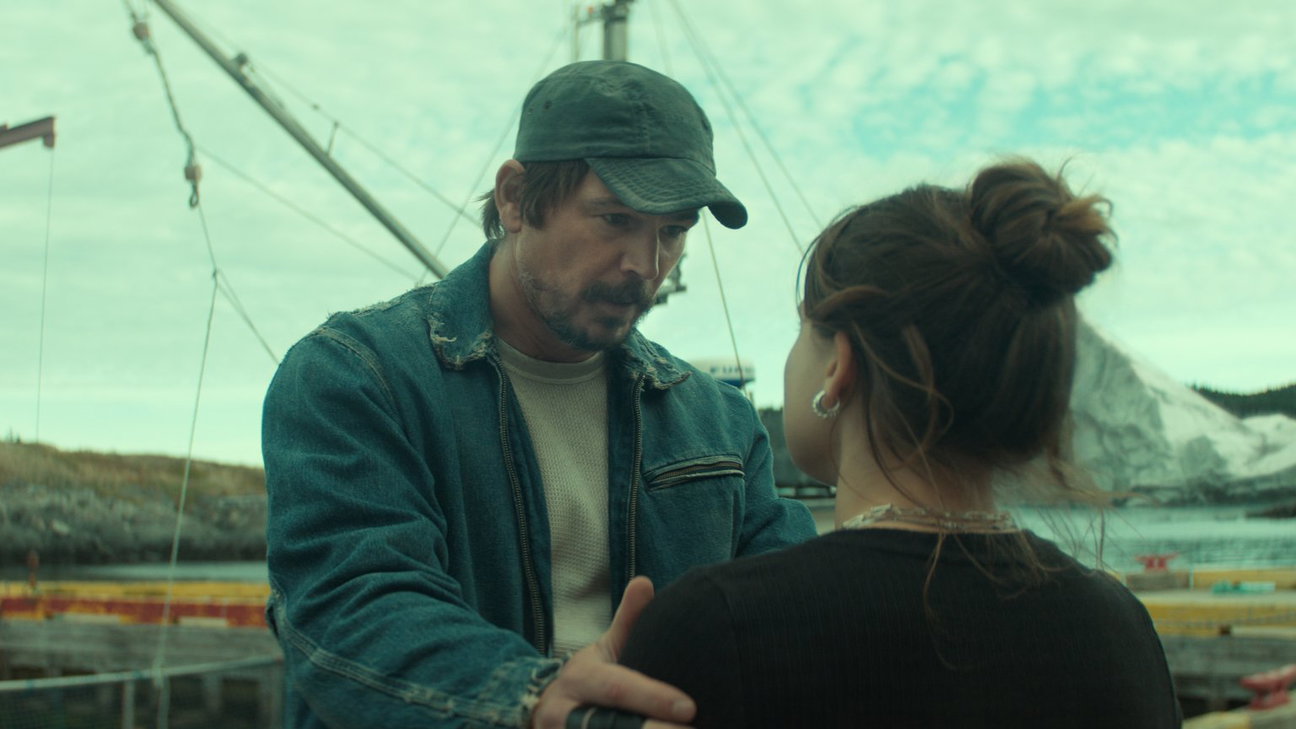
If melting ice helped bring Mudder into contact with the town, more icebergs could carry other unknown consequences. Earlier, ice represented a way for Calvin to make money. By the end, he sees it differently: the same sight that once promised opportunity now warns him that something may be wrong.
This is why the final image feels more unsettling than a conventional sequel tease. The immediate danger has been handled, but the conditions that helped create the crisis have not disappeared. The world is changing faster than the community can fully understand, and the next threat may not look exactly like the last one.
Does the ending confirm Below Season 2?
No. The final shot leaves room for more stories, but an open ending is not an official renewal. Netflix has presented Below as a six-part limited series, and creator Jesse McKeown has described the finale as a complete story that leaves the wider environmental question unresolved. Until Netflix announces another season, the extra icebergs should be read as an intentional mystery—not confirmation that Season 2 is happening.
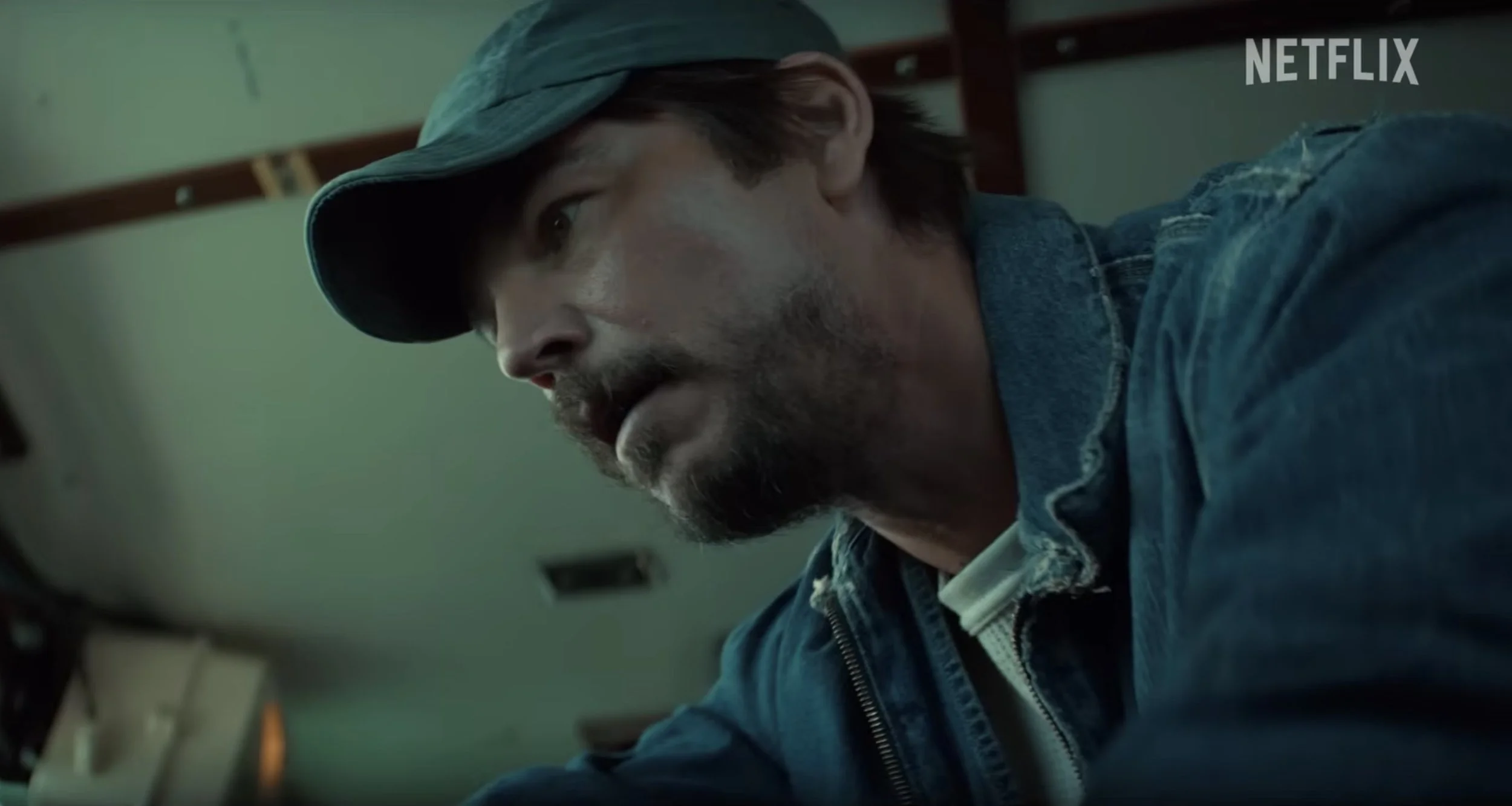
The ending explained in one quick answer
The one detail that changes everything is Calvin cutting the line at the end. It mirrors the rope he cut as a child when his father was lost at sea, but now the action represents understanding and release rather than panic and guilt. He moves Mudder and her egg sac into deeper water, helps protect his town from the Crockers’ plan, and sees the creature as a parent rather than only as the source of his pain. The final icebergs warn that the wider crisis may not be over.
Frequently asked questions
Why does Calvin cut the line at the end of Below?
He releases the net after towing Mudder and her egg sac toward deeper water. The action echoes his childhood decision to cut the rope attached to his family’s house, giving the finale emotional closure.
Was Mudder responsible for everything that happened in Snook’s Arm?
Mudder’s secretions contributed to the dangerous symptoms after contaminated iceberg ice entered the water supply, but the story also points to human greed and environmental change as crucial parts of the crisis.
What do the final icebergs mean?
They suggest that more unknown threats or consequences may be approaching. The show does not confirm that every iceberg contains a creature, so the ending remains ambiguous.
Does Below’s ending confirm a second season?
No. The final scene leaves the story open, but Netflix has not confirmed a second season. The series has been promoted as a limited series.
Is Below’s ending mainly about climate change?
Climate change is central to the melting ice and the danger facing Mudder’s offspring. The finale also explores grief, parenthood, community survival, and the cost of treating the unknown as something to destroy immediately.
Sources and further reading
- Netflix Tudum: How Does Below End?
- TV Insider: Below’s Ending and Season 2 Prospects
- Netflix Media Center: Below official series synopsis
Written by Shivam Das


