In FX’s The Lowdown Season 2, a missing inmate turns a seemingly contained case into a test of who controls the truth. Public defender Ginger Lafferty (Betty Gilpin) asks Tulsa journalist Lee Raybon (Ethan Hawke) to help find a client who has disappeared from a state penitentiary. The unsettling question is simple: how can someone vanish from a place designed to account for every movement?
This article discusses a fictional storyline in the television series, not a report of a real inmate disappearance.
What is the missing-prisoner mystery in The Lowdown Season 2?
The new season shifts Lee’s attention toward a case involving one of Ginger’s clients, who goes missing from a state penitentiary. FX’s official season description frames the mystery around power, corruption and misconduct among influential people. The premise is not simply about locating a person; it asks whether the institutions responsible for keeping records can be trusted when those records become inconvenient.
That makes the prison setting dramatically potent. A disappearance outside a locked facility can leave many possible explanations. Inside a prison, the same event raises immediate questions about custody logs, surveillance, staff accounts, transfers, medical movement and the chain of decisions that should make a person’s whereabouts traceable. Those are investigative avenues a journalist might examine in a real case, but the series’ fictional clues and outcomes should not be confused with evidence about an actual facility.

Why Ginger needs Lee—and why that partnership is risky
Ginger is a public defender, so her starting point is a client whose absence demands answers. Lee approaches the problem as a self-described “truthstorian”: someone who believes the public record is often incomplete and that asking the wrong people the right questions can reveal what is missing. Their methods are not identical. A lawyer must work within professional duties and legal procedures; Lee is more improvisational, impatient and willing to antagonize people who might hold useful information.
That contrast gives the investigation its energy. Ginger has a concrete reason to pursue the missing client, while Lee sees a story that could expose a wider pattern. But suspicion is not proof. The most credible version of this kind of investigation tests competing explanations rather than treating every official as guilty from the outset. Viewers should watch how the show distinguishes a genuine lead from Lee’s instinct to assume that a closed door hides a conspiracy.
The real-world questions the premise brings into focus
Although the case is fictional, it touches on questions that matter in any custodial system. When someone cannot be located, a careful inquiry would seek a verified timeline, records of authorized movement, independent witness accounts and a clear explanation of which agency has responsibility at each stage. The point is not to assume misconduct; it is to establish what can be independently confirmed.
In Oklahoma, the Oklahoma Department of Corrections publishes information about its facilities and public-facing policies. That material can help readers understand the difference between the fictional setting of a drama and the procedures of a real correctional agency. Nothing in the show’s plot, by itself, establishes that a real Oklahoma prisoner has disappeared or that a real employee has committed wrongdoing.
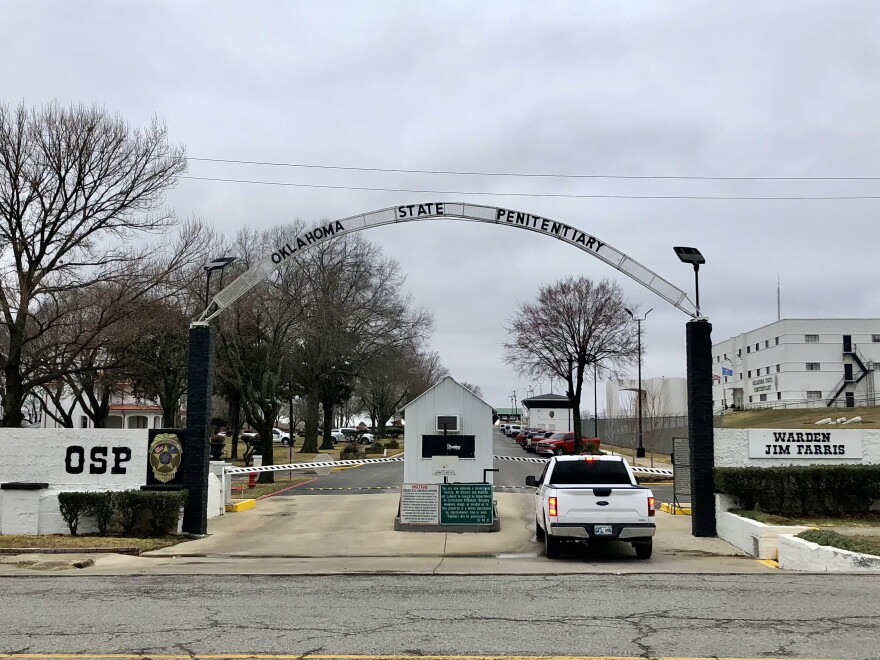
Why the prison case could change Lee’s reporting
Lee’s greatest strength is his refusal to let a tidy explanation end an inquiry. His weakness is that the hunt can become personal. A missing person case forces him to decide whether he is chasing evidence for the client and the public—or chasing the satisfaction of being the person who sees through everyone else.
The stakes are also different from a conventional mystery. The missing client is not merely a puzzle piece; the disappearance threatens a person’s safety, a lawyer’s ability to represent that person and the public’s confidence in an institution. If Lee and Ginger uncover misconduct, the meaningful question will be how they prove it and who is accountable, not simply how dramatic the reveal feels.

A prison’s walls are not the same as transparency
Security infrastructure can restrict movement, but it cannot automatically guarantee that every record is complete, every decision is properly documented or every account is accurate. That tension is what makes the premise more than a locked-room puzzle. A convincing answer requires a sequence of verifiable facts, and a convincing cover-up—if the story establishes one—requires evidence of how the truth was obscured.
The season’s strongest dramatic possibility is that the investigation forces Lee to confront the gap between a compelling theory and a provable story. He may be right to distrust the first explanation he hears, but the audience should expect him to earn any conclusion through evidence rather than instinct alone.
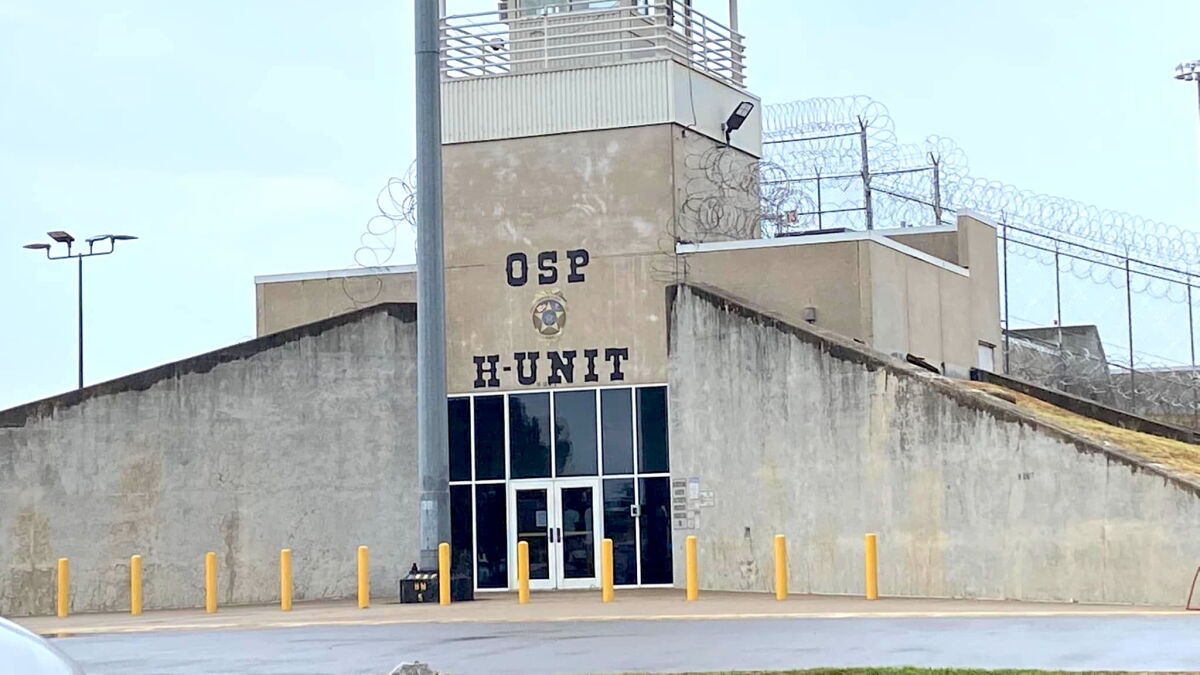
What viewers should watch for next
- The timeline: Which details about the client’s last known movements can be independently established?
- Ginger’s approach: How does her duty to her client shape what she is willing to share with Lee?
- Lee’s standards: Will he challenge evidence that contradicts his own theory?
- Institutional accountability: Does the investigation identify specific decisions and people, rather than relying on vague suspicion?
These are questions raised by the premise, not claims about an unrevealed outcome. FX’s official The Lowdown page is the best starting point for confirmed series information, and its video extras page includes the official Season 2 trailer. For real-world corrections-system context, consult the Oklahoma Department of Corrections and its published materials.
Frequently asked questions
What happens when a man goes missing in The Lowdown Season 2?
Public defender Ginger asks Lee Raybon to help locate one of her clients after he goes missing from a state penitentiary. The case leads the characters into questions about power, corruption and accountability.
Is The Lowdown’s missing-prisoner case based on a real person?
The season’s missing-client storyline is part of a fictional television drama. It should not be treated as evidence that a real inmate has disappeared from an Oklahoma prison.
Who plays Ginger in The Lowdown?
Betty Gilpin plays Ginger, the public defender who seeks Lee’s help with the missing-client case.
Where can I watch The Lowdown Season 2?
FX lists the series on its official website and says Season 2 is available through FX and Hulu. Availability may vary by subscription and location.
Sources and further reading
- FX Networks — The Lowdown official series information
- FX Networks — Official trailer and video extras
- Oklahoma Department of Corrections — Official website
- Public Radio Tulsa — Oklahoma correctional-system reporting
- TIME — The Lowdown series imagery and coverage
By Shivam Das