Quick answer: In FX’s The Lowdown Season 2, a client of public defender Ginger goes missing from a state penitentiary, giving Tulsa journalist Lee Raybon a mystery that raises questions about institutional accountability, who controls information, and how power can obstruct the search for answers. The storyline is fictional; it should not be mistaken for a report about a real Oklahoma inmate or a verified current prison case.
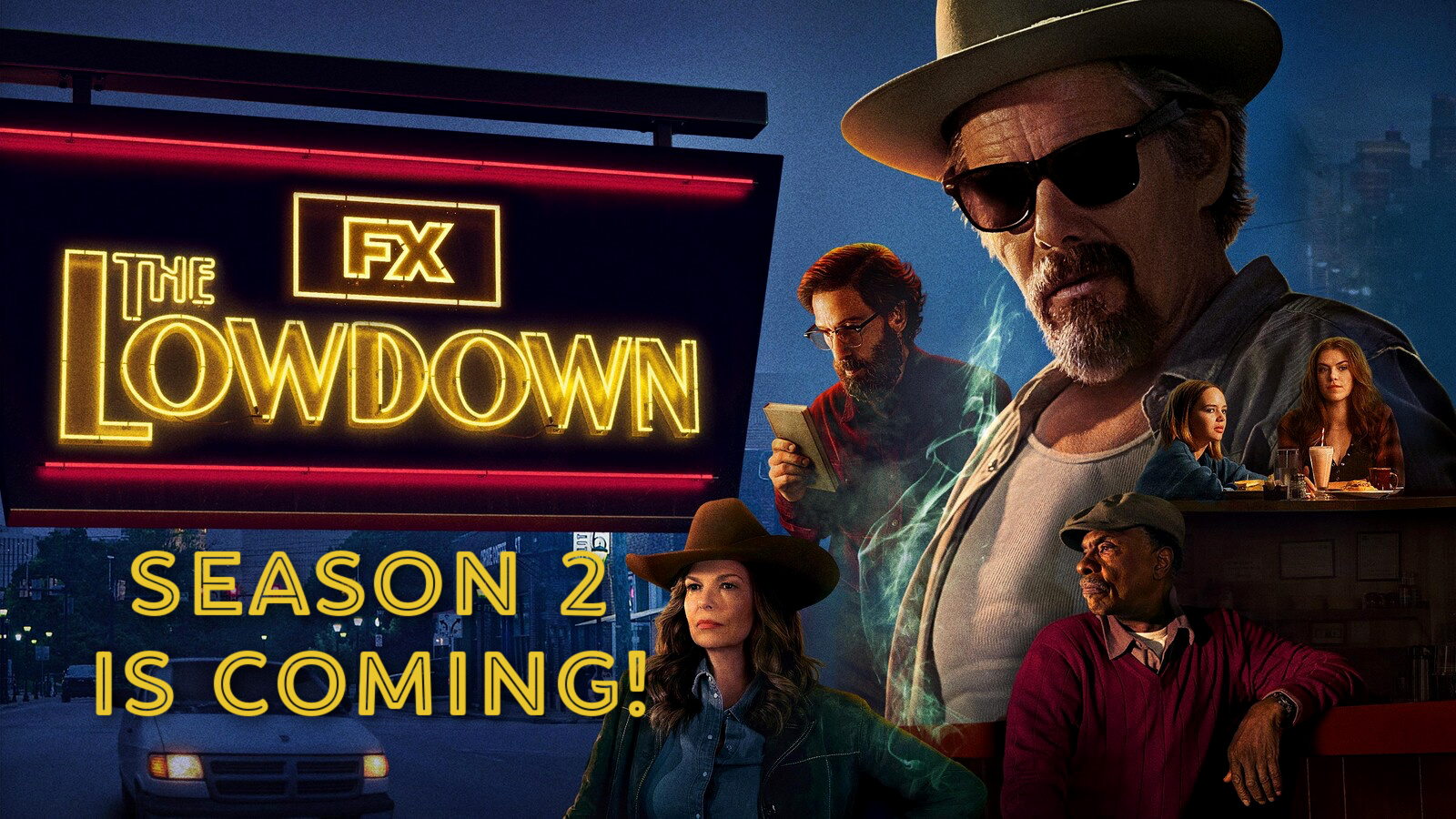
The premise is unsettling because a prison is supposed to be a place where a person’s location is known and recorded. When someone disappears inside one, the mystery is not only where that person went. It is also who noticed, which records can be trusted, who has authority to investigate, and whether the institution will answer questions when the answers become uncomfortable.
That tension gives Season 2 a different engine from a conventional whodunit. Lee is not simply chasing a suspect. He is trying to understand how a chain of decisions and silences could allow a case to become more complicated with every new detail. FX’s official series description identifies the missing client as the trigger for Lee’s investigation and points toward corruption among Tulsa’s powerful elite as the larger threat.
Why the missing-inmate case changes the show’s focus
Season 1 centered on Lee’s investigation of the powerful Washberg family and the suspicious circumstances surrounding Dale Washberg’s death. The new case shifts the immediate question from a family’s secrets to the accountability of an institution. The change broadens the story’s scope without abandoning the series’ central interest: what happens when a person who keeps asking questions runs into people who would rather control the answers.
The distinction matters. A missing-person mystery can be solved by identifying a culprit; an institutional mystery also asks how oversight failed, whether information was withheld, and what safeguards should have caught the problem sooner. The series can explore those questions through fiction without claiming that its plot describes a specific real-world prison or proves misconduct by any actual official.
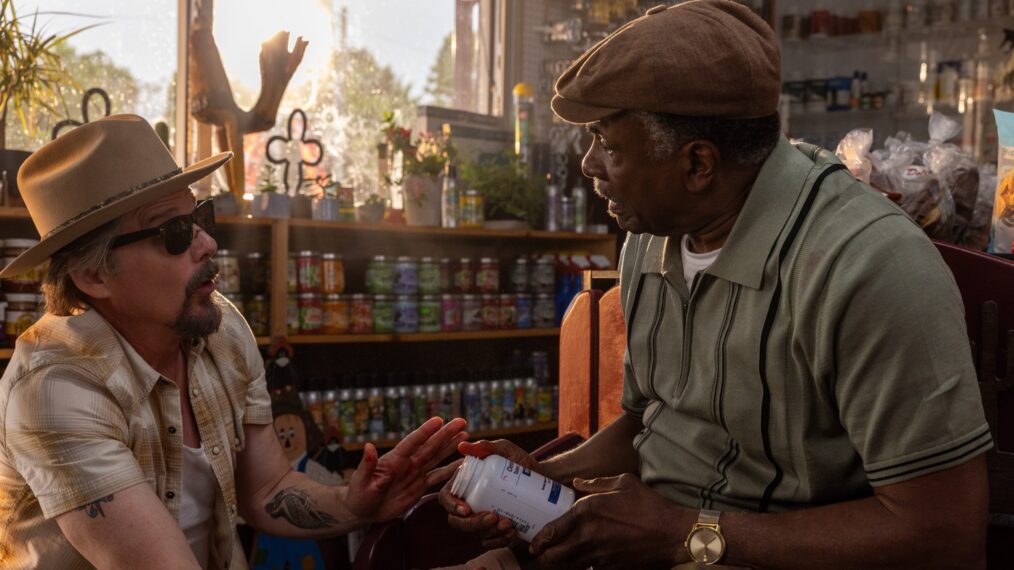
Lee Raybon is a reporter, not a neutral observer
Lee’s strength is his refusal to leave a suspicious detail alone. His weakness is that persistence can become recklessness. He is a self-described “truthstorian,” but Season 2 keeps the character’s personal flaws in view: he is uncomfortable with public recognition, prone to self-medication, and often less careful with relationships than with a lead. That makes his investigation compelling while also leaving room to question his methods.
In a story about institutions, a reporter’s job is not merely to publish the most dramatic theory. It is to distinguish confirmed facts from inference, seek a response from the people being scrutinized, and correct the record when evidence changes. Lee’s chaotic approach creates drama precisely because he does not always meet that standard. Viewers can root for his instinct to challenge power while still recognizing the risks of treating suspicion as proof.

Ginger’s role keeps the case grounded
Betty Gilpin’s Ginger is a public defender whose client’s disappearance gives the investigation its human stakes. A defense lawyer’s starting point is the person whose rights and safety are at issue—not a convenient theory about what may have happened. Her professional perspective can challenge Lee’s instinct to rush toward a dramatic explanation and insist that the missing person remain at the center of the story.
The partnership also creates a useful contrast. Lee works through leads, relationships and public pressure; Ginger has a direct responsibility to her client. Their methods are not identical, and that friction makes the investigation more than a series of clues. It asks whether the pursuit of truth can stay focused on the person who needs answers, rather than on the investigator’s own appetite for a story.

What the prison storyline can—and cannot—tell viewers
Crime dramas often use a single case to dramatize broader concerns: transparency, due process, the treatment of people in custody, and the imbalance between institutions and individuals. Those themes are relevant to public debate, but a television plot is not evidence about real prison conditions. Any claim about Oklahoma’s actual correctional system needs independent reporting, official records, court filings, inspection findings or other verifiable sources.
That boundary is especially important here because the show’s fictional conspiracy involves power and corruption. The responsible takeaway is not that the series has exposed a real case. It is that the premise invites viewers to ask what accountability should look like when an institution is responsible for a person’s whereabouts and safety. A compelling drama can raise that question; evidence is required to answer it about the real world.

How the new mystery connects to the family story
The investigation does not unfold in isolation. Lee’s estranged father, Lee Raybon Sr.—known as Frog and played by Tommy Lee Jones—arrives in Tulsa, while Lee’s daughter Francis is curious about a grandfather she was told was dead. Those family tensions complicate Lee’s priorities at the same time Ginger’s case demands his attention. The show’s central irony is that a man who wants to expose other people’s secrets has spent years concealing one of his own from his child.
That parallel gives the season’s institutional mystery a personal echo. Accountability is not only a question for officials or powerful families; it also applies to Lee. His commitment to truth is tested by the truth he has avoided at home, making the investigation a pressure point for both his public identity and his private life.
Watch official The Lowdown videos
For the verified premise, cast information and official video material, start with FX’s The Lowdown series page. The season’s two-episode premiere is dated October 14, 2026, on FX and Hulu. Availability and streaming plans can vary by location and subscription.

Watch official video extras on FX.
What to watch for in the episodes
- The paper trail: Notice which details are confirmed on screen and which remain speculation.
- Who controls access: Pay attention to who can obtain information, who is denied it, and what explanation is given.
- Ginger’s priorities: Her responsibility to her client may differ from Lee’s need to publish a story.
- Lee’s blind spots: His personal chaos can undermine the credibility of an otherwise important investigation.
- The family parallel: Frog’s return forces Lee to confront the gap between the truth he demands from others and the truth he has hidden.
Frequently asked questions
What is the main mystery in The Lowdown Season 2?
A client represented by public defender Ginger has gone missing from a state penitentiary. Lee Raybon becomes involved in trying to understand what happened and whether the case connects to wider corruption.
Is The Lowdown Season 2 based on a real Oklahoma prison disappearance?
The missing-inmate case described in the series is part of the show’s fictional plot. Do not treat it as a verified real-world incident unless independent, reliable reporting establishes that connection.
Who plays the journalist Lee Raybon?
Ethan Hawke plays Lee Raybon, a Tulsa-based journalist who calls himself a “truthstorian.”
Who is Ginger in Season 2?
Ginger, played by Betty Gilpin, is a public defender whose client’s disappearance draws Lee into the prison case.
When did The Lowdown Season 2 premiere?
The two-episode premiere is scheduled for October 14, 2026, on FX and Hulu. Check the official platform listings for local availability and exact streaming details.
Where can I find official information about the show?
Visit FX’s official The Lowdown page for the series overview and official video extras. You can also read our related coverage on The Lowdown Season 2 and Oklahoma’s prison-system storyline.
By Shivam Das
Editorial note: This article discusses a fictional television storyline. It does not allege misconduct by any named real person or claim that the plot documents a real prison case.
Explore the official series information and trailer for FX’s The Lowdown.