FX’s The Lowdown is more than a crime story set in Tulsa. Creator Sterlin Harjo builds the series around the texture of a real place: its communities, contradictions, humor, music, history and the people who live beyond the postcard version of Oklahoma. Season 2 brings a new prison investigation and new family pressures for Lee Raybon, but the city remains a vital part of the show’s identity.
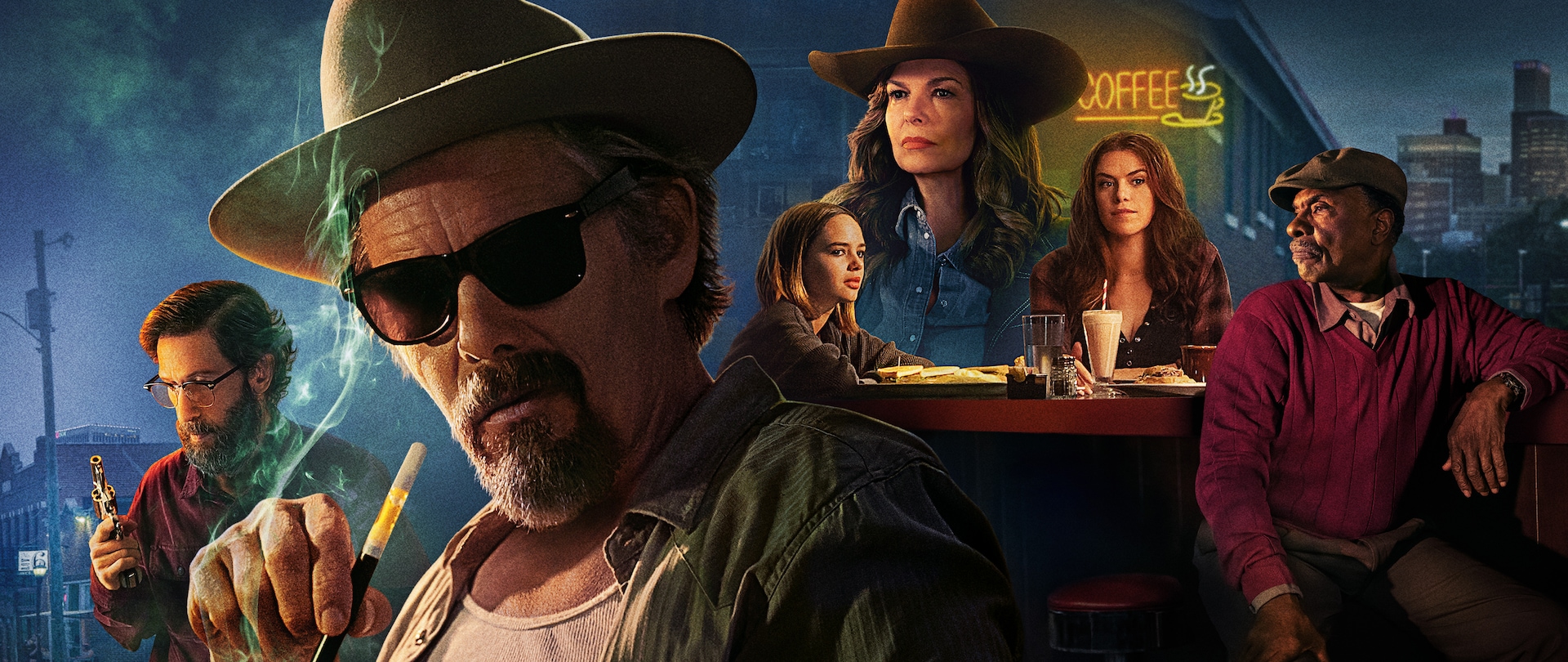
Harjo, the Muscogee Creek filmmaker behind Reservation Dogs, has spoken about wanting to show Tulsa as a diverse, complicated place rather than a generic backdrop. In an interview with The Hollywood Reporter at TIFF, he described wanting to convey the city’s diversity through its architecture and people, and to show its truths, humor, love and darkness. That intention is central to how The Lowdown feels lived-in.
Tulsa is a character, not just a location
Many crime dramas could move their central detective from one city to another without changing much beyond the skyline. The Lowdown works differently. Lee Raybon’s rare-book store is a neighborhood refuge and an unofficial community hub. His investigations move through local relationships, institutions and social circles that make the city feel specific, not interchangeable.
That specificity gives the show a distinctive rhythm. A conversation in a familiar local business can carry as much narrative weight as a formal interview. The city’s streets, storefronts and gathering places are not simply visual decoration; they help explain who knows whom, who has influence and how rumors travel. Lee’s work depends on that network, even when his abrasive methods strain it.
Harjo’s point of view brings local history into the frame
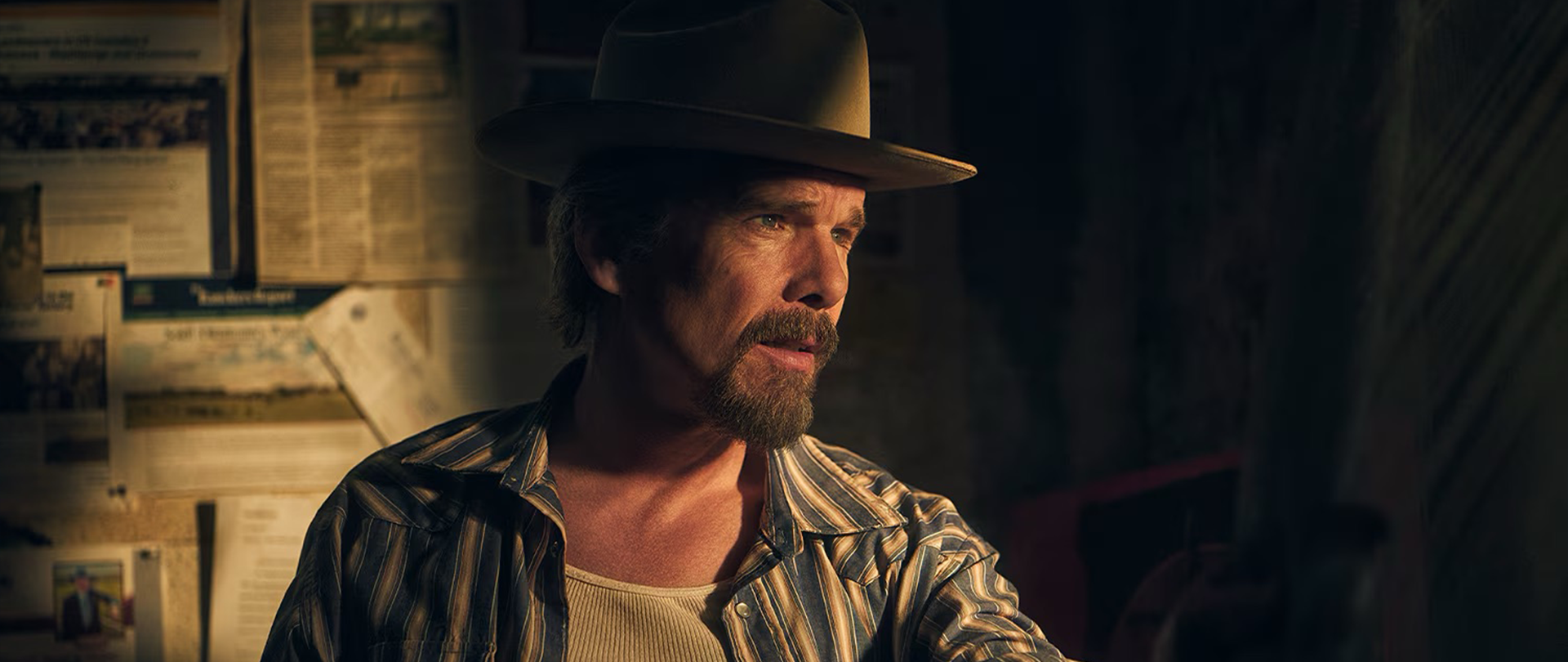
Harjo’s connection to Oklahoma is not incidental. He has discussed growing up in a region shaped by Native nations, Black communities, white communities and the cultural intersections among them. Oklahoma’s history includes forced removal, contested land, racial violence and the ongoing presence of Native governments and cultures. A story rooted in Tulsa inevitably sits within that larger context, even when an episode is focused on a personal feud or a strange local case.
The first season’s investigation of the powerful Washberg family tied Lee’s search for truth to questions about land, power and whose version of history gets accepted. Season 2 turns toward a missing-prisoner mystery and corruption in the state’s prison system. That shift does not mean the show has left its sense of place behind. Instead, it asks how power operates through different institutions—and how ordinary people experience the consequences.
Season 2 changes the case, not the central question
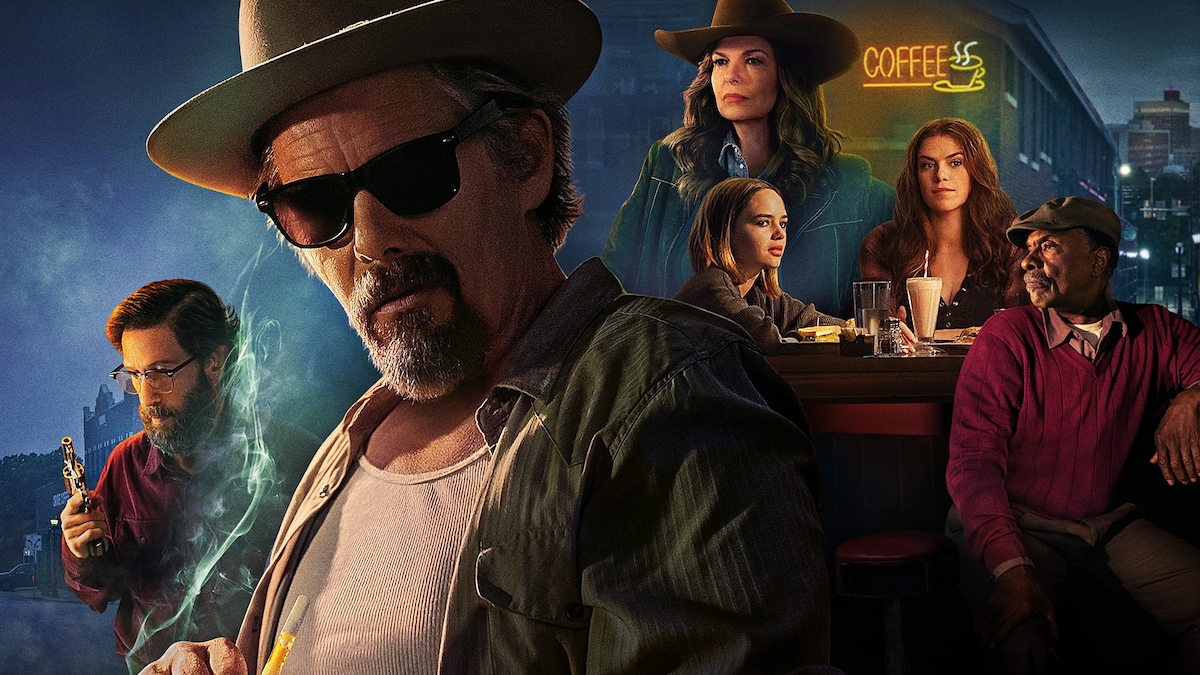
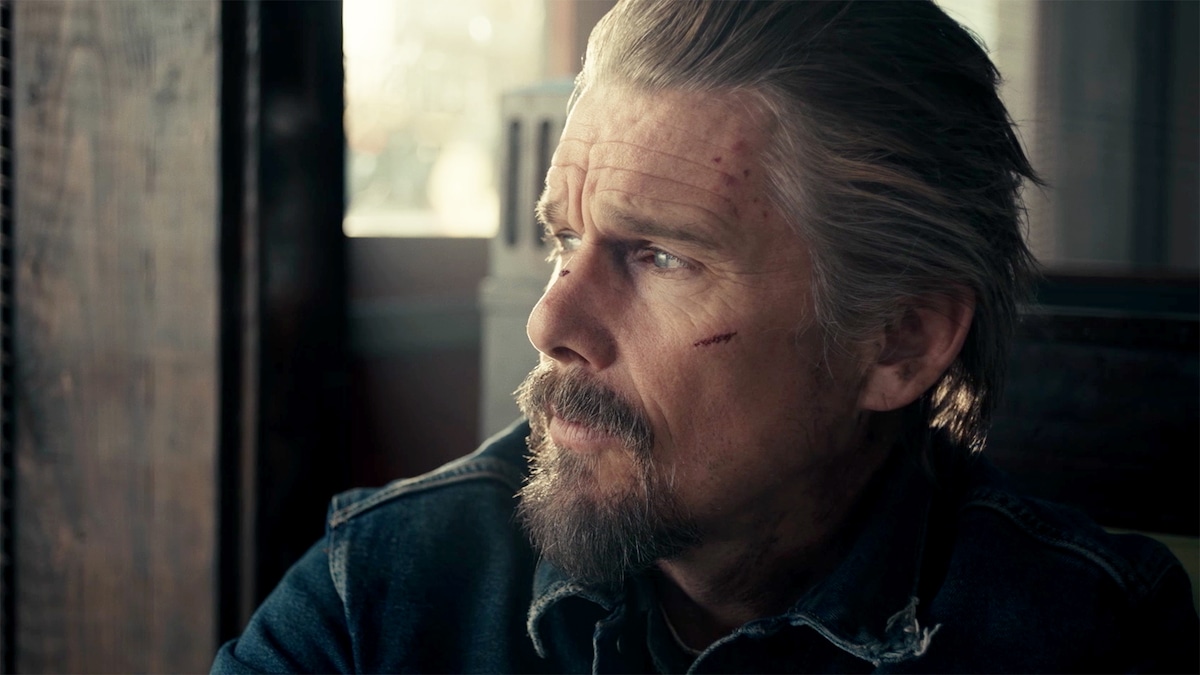
The new season introduces public defender Ginger, played by Betty Gilpin, who asks Lee to help locate a client who has disappeared from a state penitentiary. The premise is unsettling on its face: how does someone vanish inside an institution designed to account for people’s movements? The case gives Lee a reason to test official explanations, follow inconvenient leads and ask who benefits when answers remain out of reach.
That investigative thread also suits the series’ Tulsa focus. The question is not simply whether a mystery can be solved, but how local power structures shape what can be seen, said or proven. A prison is a formal institution with rules, records and chains of authority; Lee’s style is improvised, personal and often chaotic. The friction between those approaches creates drama without requiring the show to pretend that one journalist can fix a system alone.
The show’s humor keeps its portrait of Tulsa human
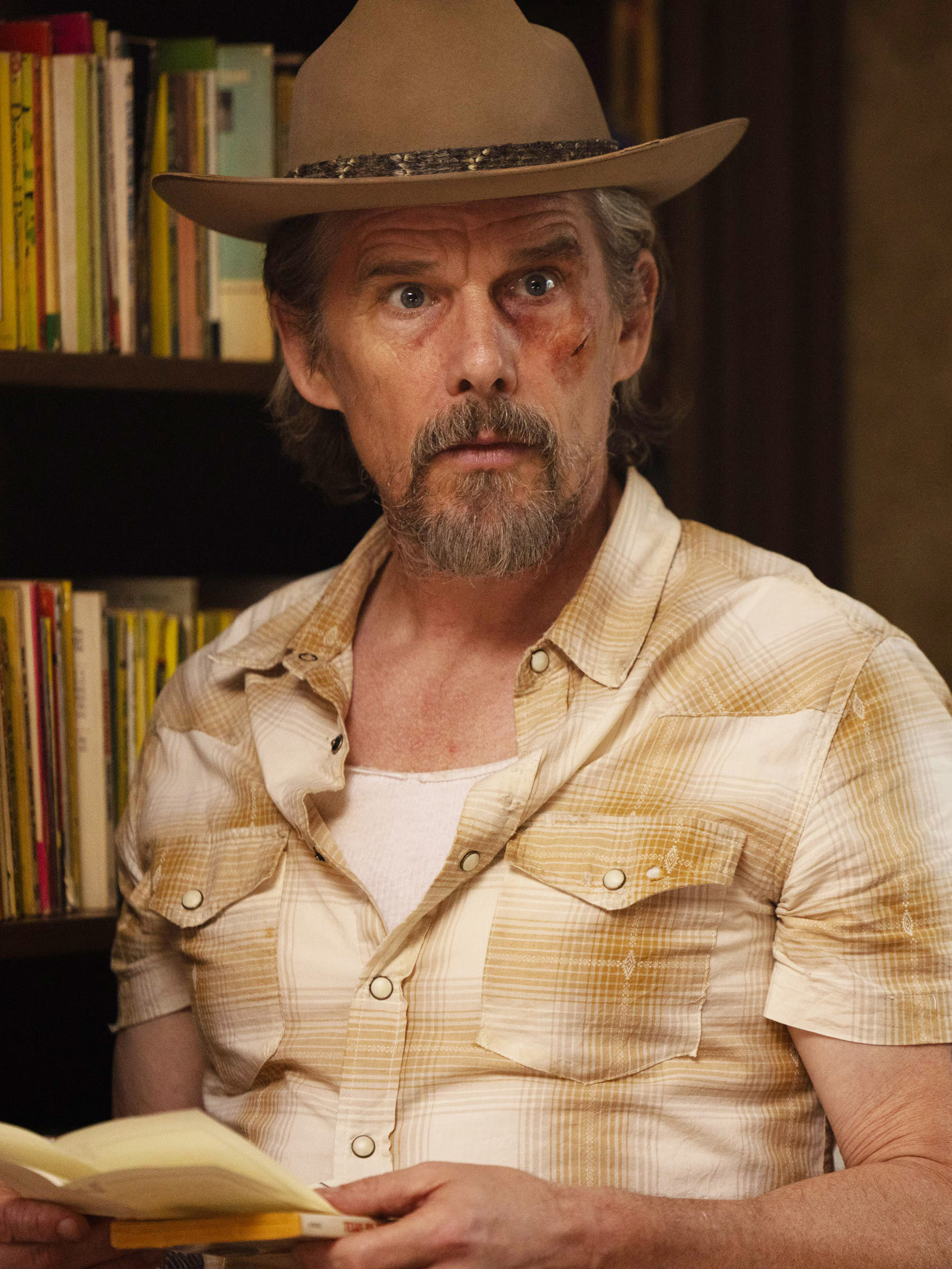
A story about corruption can become heavy if every scene treats its characters as symbols. The Lowdown uses oddball comedy and messy human behavior to keep its world unpredictable. Lee can be perceptive about a public lie and spectacularly blind to his own shortcomings. His personal relationships complicate the idea that truth-telling automatically makes someone wise or good.
That humor matters because a city is not only its worst history or most powerful people. It is also the daily life around them: eccentric characters, local rituals, friendships, arguments and unexpected kindness. Harjo’s approach lets the series move between menace and absurdity without losing its sense of human scale.
Why Tulsa’s specificity gives the series a wider appeal
Paradoxically, the more particular The Lowdown becomes about Tulsa, the more universal its themes can feel. Viewers do not need to know every neighborhood or local reference to recognize the tension between public reputation and private reality, or the frustration of watching powerful people control the story. A strong sense of place gives those themes consequences rather than leaving them as abstract ideas.
For viewers outside Oklahoma, the series can also be an invitation to look beyond familiar regional stereotypes. Tulsa is neither a generic small town nor a shorthand for a single political or cultural identity. Harjo’s approach makes room for conflicting histories and different communities to coexist on screen. That complexity is not a side note; it is part of what makes the fictional world credible.
What to watch for in the new chapter
- Who gets believed: Watch how officials, witnesses and local sources tell competing versions of the same event.
- Where information travels: Lee’s community connections can be as important as formal records, but personal loyalties can also distort what he hears.
- How institutions protect themselves: The prison investigation raises questions about accountability, transparency and the limits of outsider scrutiny.
- What the city reveals between plot points: The local details, humor and supporting characters help show the community beyond the central mystery.
These are viewing angles, not claims about unverified plot twists. FX describes Season 2 as an eight-episode Tulsa noir comedy that adds Tommy Lee Jones and Betty Gilpin to the cast and follows Lee as a new case pulls him away from his daughter. The series continues to place his personal flaws alongside his determination to expose corruption.
Watch and read more from official sources
FX’s official The Lowdown page includes the Season 2 trailer, cast information and series details. The network’s video extras page lists behind-the-scenes material, including a feature about filming in Tulsa. For Harjo’s perspective on the city and its diversity, see this Hollywood Reporter interview from TIFF.
Follow the show’s official social updates through The Lowdown on Instagram. Only use official, contextually relevant posts when embedding social content; a link is preferable to an invented or unverified embed.
Frequently asked questions
Who created The Lowdown?
The Lowdown was created by Sterlin Harjo, the filmmaker known for Reservation Dogs. He executive-produces the series with Ethan Hawke and other collaborators.
Where is The Lowdown set?
The series is set in Tulsa, Oklahoma. Its local businesses, community networks and regional history are important to the show’s atmosphere and investigations.
What is The Lowdown Season 2 about?
Season 2 follows citizen journalist Lee Raybon as he helps public defender Ginger investigate a client who has disappeared from a state penitentiary. The new case unfolds alongside Lee’s complicated family life.
How does Sterlin Harjo’s background influence the series?
Harjo’s connection to Oklahoma and his interest in the region’s diverse communities inform the show’s specific sense of place. Interviews about his work emphasize his desire to portray Tulsa with its humor, contradictions, history and cultural richness.
When did The Lowdown Season 2 premiere?
FX lists October 14, 2026, as the Season 2 premiere date, with the series available on FX and Hulu in the United States.
Sources
- FX Networks — The Lowdown official series page
- FX Networks — Season 2 renewal and series background
- TheWrap — Sterlin Harjo and Ethan Hawke discuss the Tulsa noir series
- The Hollywood Reporter interview with Ethan Hawke and Sterlin Harjo at TIFF
- FX Networks — The Lowdown video extras
By Shivam Das