Martha Plimpton joins FX’s The Lowdown as Sheriff Vela Thorne, a local law-enforcement figure whose position puts her close to the center of Season 2’s missing-prisoner conspiracy. In a show about a journalist who distrusts official explanations, the sheriff’s department is more than background scenery: it represents the power to shape which version of events becomes public.
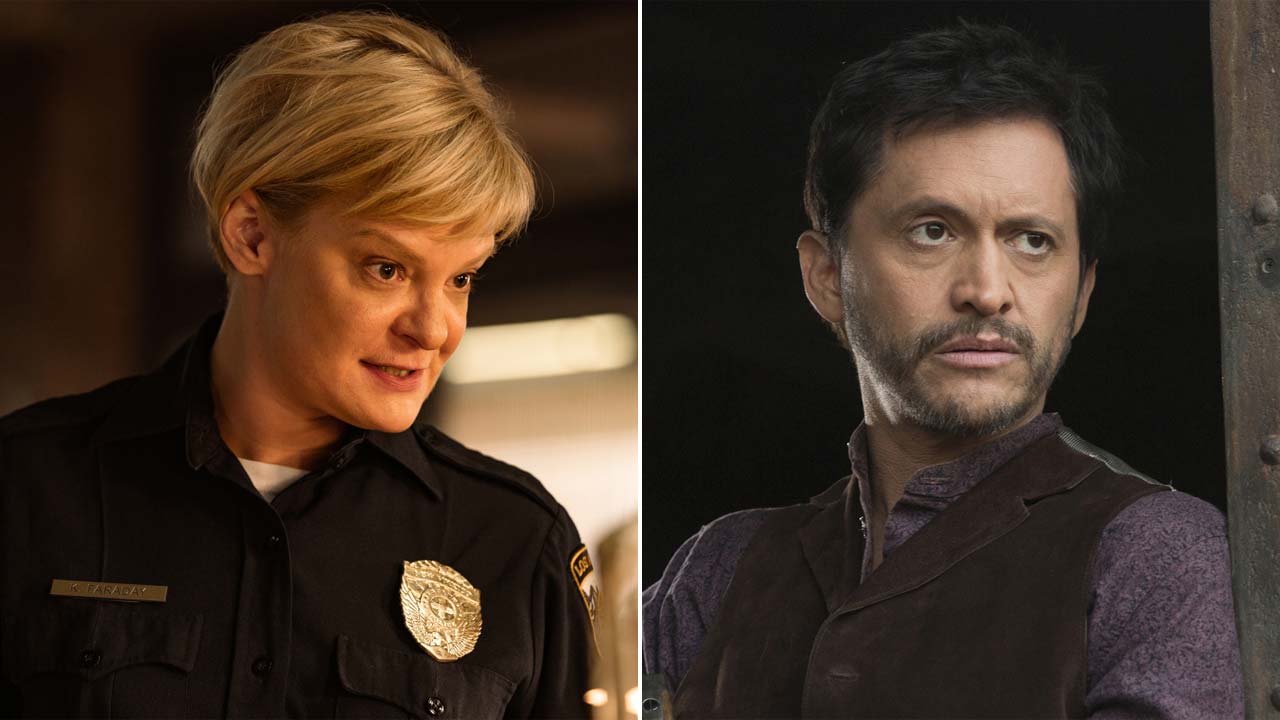
Season 2 follows Tulsa “truthstorian” Lee Raybon, played by Ethan Hawke, as he investigates the disappearance of a prisoner from a state penitentiary. Official season information identifies Thorne as a corrupt local sheriff caught up in the conspiracy surrounding that disappearance. That makes her role important not simply because she wears a badge, but because the investigation asks whether the institutions meant to provide answers can also obstruct them.
Why Sheriff Vela Thorne matters to the central mystery
A missing-person case becomes especially difficult when the disappearance happens inside a prison. Access to records, control over official statements, and the ability to decide who gets to speak can all influence what outsiders learn. Lee’s instinct is to keep asking questions when an explanation feels incomplete. A sheriff connected to the case creates a direct conflict between independent scrutiny and institutional authority.
The show’s premise does not mean every officer or every part of the department is corrupt. The more precise question is how much influence Thorne has over the investigation, what she knows, and whether she uses her office to protect the public—or to protect people who would rather the facts stay buried. Those are the tensions the character brings to the story, rather than proof that the series is making a claim about real-world Tulsa law enforcement.
Martha Plimpton brings an unpredictable presence to the role
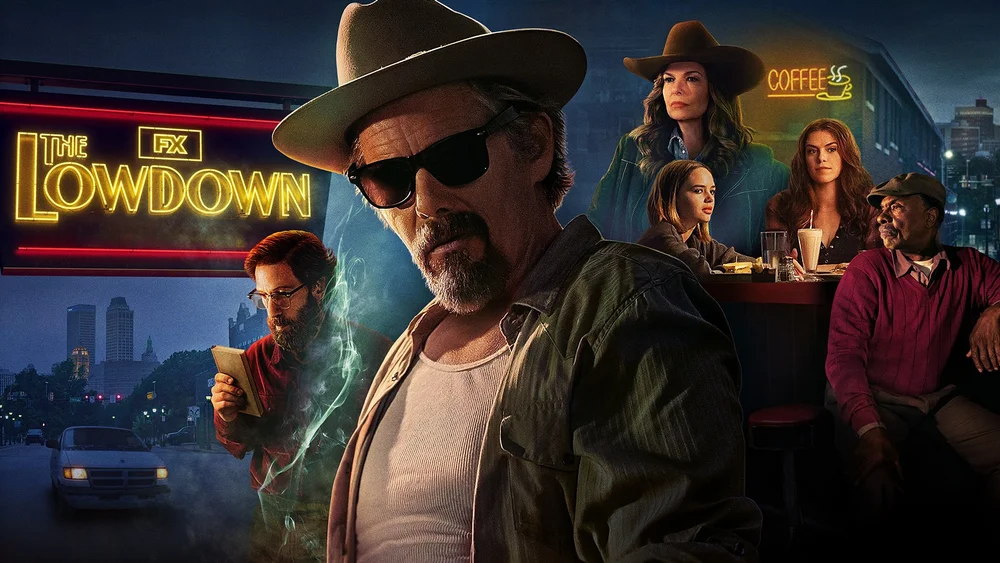
Plimpton’s casting gives the sheriff a performer well suited to characters who can be sharp, funny, intimidating, or difficult to read in the same scene. That range matters in a crime-comedy where the danger is real but the people involved are rarely simple archetypes. Thorne can be a formidable obstacle without the story needing to turn every scene into a speech about corruption.
There is also a structural advantage to placing a sheriff in the middle of the plot. A character in that position can affect the investigation even when she is not physically present: witnesses may hesitate, official accounts may be questioned, and Lee may have to decide whether a source is trustworthy. Her influence can be quiet and procedural as well as openly confrontational.
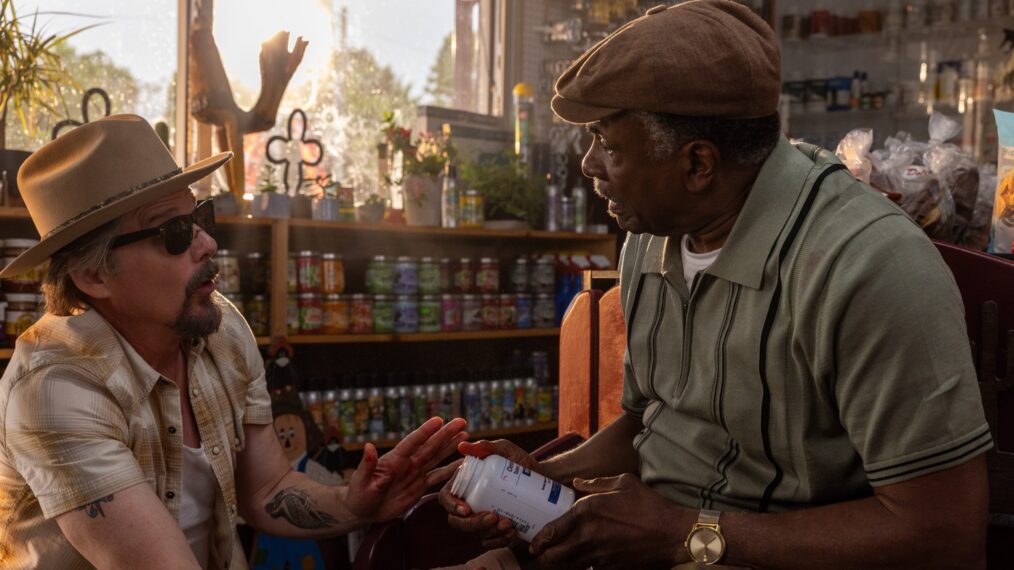
The sheriff’s department is part of the season’s wider argument about power
Season 1 centered on Lee’s investigation of a powerful Tulsa family and the secrets around it. The second season moves the central mystery toward a missing inmate and corruption surrounding the prison system. That shift widens the question from what powerful individuals can hide to what happens when several institutions, interests, or officials overlap.
In this kind of story, the most revealing detail may not be a dramatic confession. It may be a record that goes missing, an explanation that changes, or an official who refuses to answer a straightforward question. Lee’s methods can be reckless and his judgment imperfect, but his persistence creates pressure on people who prefer that the public accept the first version of events.
What viewers should watch for
- Control of information: Does Thorne answer questions directly, or try to determine which questions Lee is allowed to ask?
- Conflicts of interest: What links the sheriff to the missing-prisoner case, and which details are established by evidence rather than rumor?
- Lee’s limits: Can Lee distinguish a genuine lead from a theory that merely fits his suspicions?
- Institutional accountability: Does the investigation reveal individual wrongdoing, a wider failure of oversight, or both?
These are viewing questions, not claims about events outside the fictional series. The official synopsis identifies Thorne as a corrupt sheriff involved in the conspiracy; the precise choices and consequences are for the season’s story to reveal.

Where to find official Season 2 details
For cast and story information, start with FX’s official The Lowdown page and the Disney+ Season 2 guide. The series’ central premise follows Lee as he investigates a missing prisoner while dealing with new personal complications in Tulsa.
Watch the official trailer and extras through FX’s video extras page. That official source is preferable to reposted clips when confirming footage or character details.
Frequently asked questions
Who does Martha Plimpton play in The Lowdown Season 2?
She plays Sheriff Vela Thorne, a local sheriff described in the official Season 2 guide as corrupt and connected to the conspiracy around the missing prisoner.
What is the main mystery in The Lowdown Season 2?
Lee Raybon investigates the disappearance of one of public defender Ginger’s clients from a state penitentiary, a case that leads toward corruption and powerful interests in Tulsa.
Is The Lowdown based on a real Tulsa sheriff or criminal case?
The series is a scripted crime-comedy drama. Its fictional plot should not be treated as evidence of wrongdoing by real officials or institutions.
Where can I watch The Lowdown Season 2?
FX’s official series information lists the show on FX and Hulu. Check the official platform listings for availability in your region.
Sources
- Disney+ — The Lowdown Season 2 release date, cast and story guide
- FX Networks — Official The Lowdown series page
- FX Networks — Official video extras and trailer
- TV Insider — Season 2 cast, trailer and plot coverage
By Shivam Das