Updated October 14, 2026 · By Shivam Das
Quick answer: In The Lowdown Season 2, Lee Raybon’s citizen-journalism award is less a clean victory than the start of another messy chapter. FX’s official season description confirms that Lee’s unfiltered acceptance speech catches public defender Ginger’s attention while a missing-prisoner case draws them toward a wider web of power and corruption. Official materials do not independently confirm every “being stalked” claim circulating in fan discussion, so that detail should be treated cautiously until it is shown on screen.
Why Lee’s award night feels like a trap, not a triumph
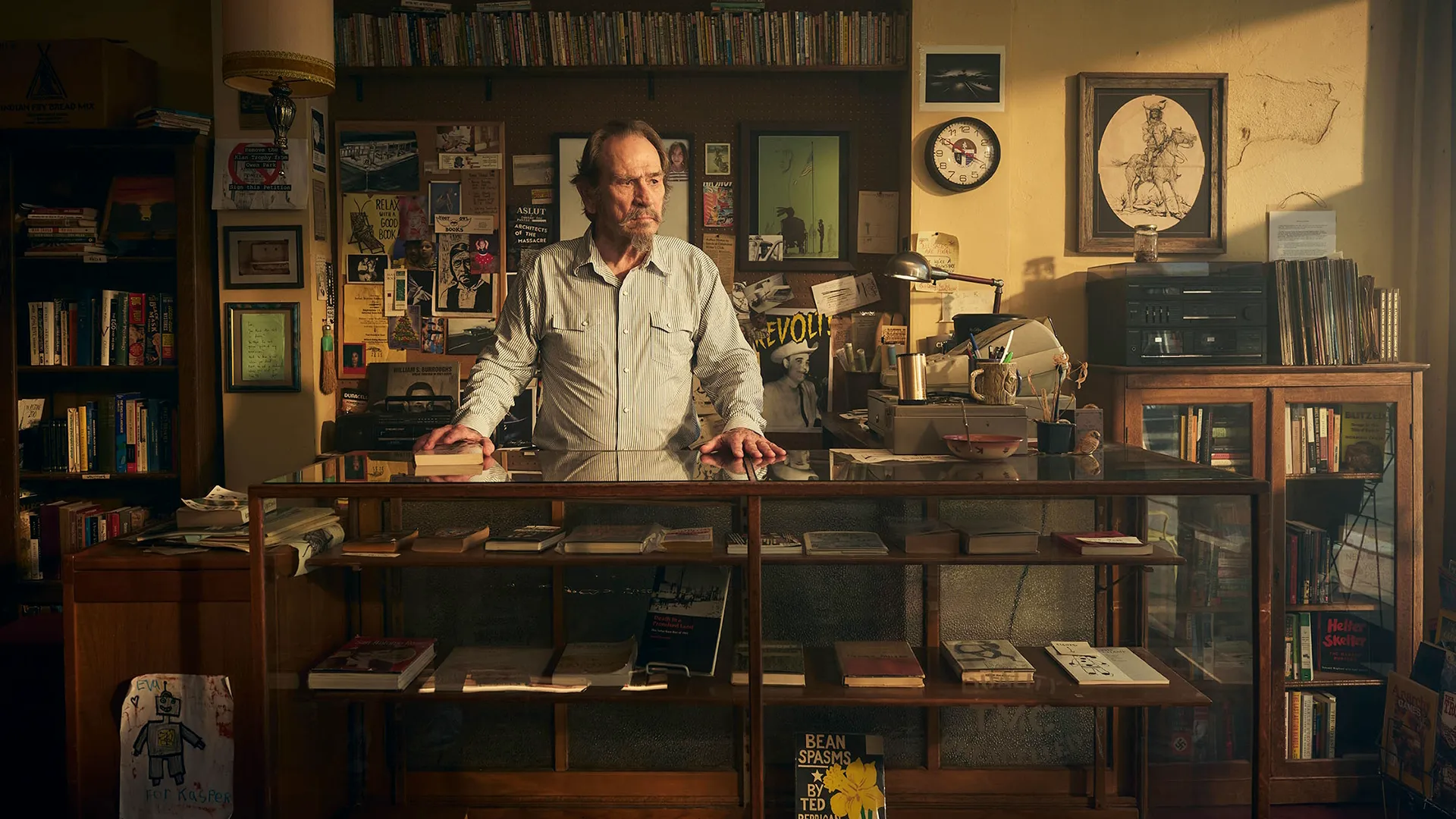
Lee Raybon is a citizen journalist who calls himself a “truthstorian,” a man who would rather keep digging than accept a tidy public story. Season 2 opens with a rare moment of recognition: his reporting on Dale Washberg’s death earns him a local citizen-journalism award. But the official synopsis makes clear that the ceremony does not turn Lee into a polished hometown hero. His speech is unfiltered, his response to success is uneasy, and his self-medication complicates what should have been a straightforward celebration.
That contradiction is the engine of the premiere. Lee wants the public to take his work seriously, yet he struggles when the spotlight lands directly on him. The award validates his instincts, but it also makes him more visible. In a noir story about corruption, visibility can be a liability: people who prefer their secrets buried now have another reason to pay attention to the person asking questions.
From public recognition to personal risk
The “being stalked” angle needs a careful distinction. FX’s published Season 2 description says Lee’s obsession with exposing corruption repeatedly puts him at risk, but it does not, by itself, establish a specific stalking incident at the award ceremony. The safer reading is that the award changes the stakes: Lee’s name and methods are now on display, while the new investigation involves a prisoner who has gone missing from a state penitentiary.
That case gives the season a sharper question than “Who is watching Lee?” It asks who benefits when a person disappears inside a place built around records, guards and controlled movement. Ginger, a public defender, has a client connected to the missing-inmate mystery. Lee’s instinct is to investigate; Ginger’s legal work gives the problem a different kind of urgency. Their partnership puts street-level curiosity beside formal legal advocacy—and neither approach can guarantee safety.
Ginger’s arrival changes the shape of the story
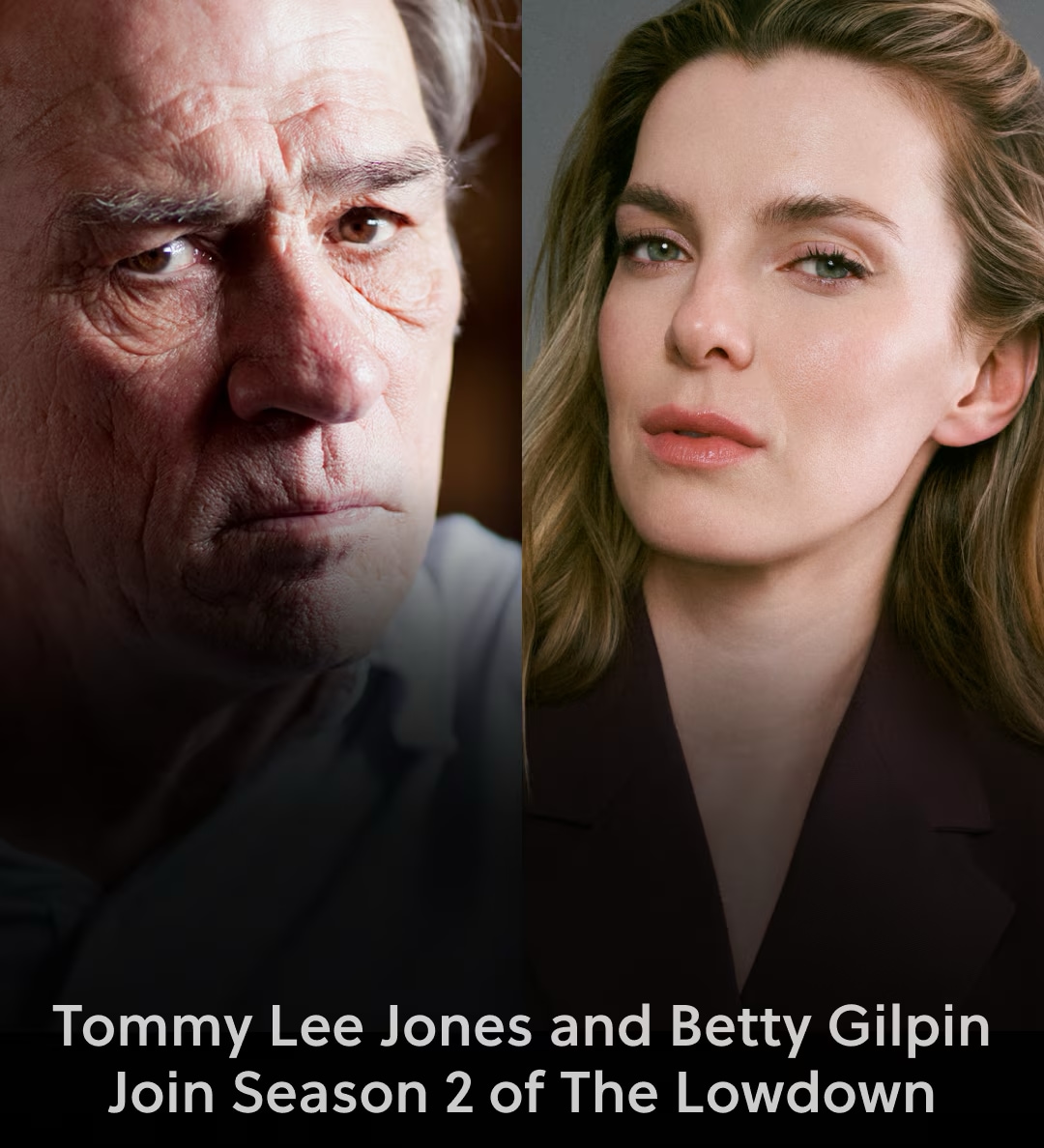
Betty Gilpin’s Ginger is not simply a romantic distraction from Lee’s reporting. She is a public defender with a case that has real consequences, and she is described by FX as a crusader for truth in her own right. The award speech catches her attention, but the missing-prisoner case is what gives their connection a practical purpose. Lee brings persistence and local knowledge; Ginger brings a legal perspective and a reason to ask what evidence can actually prove.
The chemistry matters because it creates a second source of pressure. Lee is accustomed to turning people into sources and problems into investigations. Ginger has her own responsibilities and is not automatically impressed by his performance. If the show keeps that tension alive, their relationship can be more interesting than a standard opposites-attract subplot: each has to decide when the other’s methods help and when they make matters worse.

Why the premiere’s whiplash works
The award, the speech, and the missing-inmate mystery operate on different emotional frequencies. Public recognition should feel reassuring; Lee’s behavior makes it awkward. The investigation should have a clear paper trail; a missing person inside prison turns that assumption into the central puzzle. And a possible romance offers warmth, but it arrives alongside a case involving power and potential misconduct.
That mix is the show’s distinctive promise. Tulsa is not just a backdrop, and Lee is not a flawless crusader. His talent for noticing contradictions is useful, but his impulsiveness can damage his credibility and his relationships. The premiere’s real suspense is not only whether Lee is in danger. It is whether he can recognize danger early enough to keep doing the work he believes matters.
How to watch and what to watch for
The Lowdown Season 2 premieres with two episodes on October 14, 2026, on FX and Hulu in the United States. Check the official FX show page and Hulu for current availability in your region. Season 2 has eight episodes, with new installments scheduled weekly after the two-episode launch.
Watch the official series trailer for context:
Frequently asked questions
Does The Lowdown Season 2 show Lee being stalked?
The official synopsis confirms that Lee’s work puts him at risk, but it does not explicitly verify a particular stalking incident at the award ceremony. Treat that wording as an interpretation unless the episode itself confirms it.
What happens at Lee Raybon’s citizen-journalism award ceremony?
Lee receives recognition for his reporting on Dale Washberg’s death, then gives an unfiltered acceptance speech that draws Ginger’s attention. His difficulty handling the moment sets an uneasy tone for the season.
What is the main mystery in Season 2?
Ginger’s client has gone missing from a state penitentiary. Lee helps investigate, and the case points toward possible corruption and the influence of powerful people in Tulsa.
Who plays Ginger?
Betty Gilpin plays Ginger, a public defender whose case brings her into Lee’s orbit.
Where can I watch The Lowdown Season 2?
The two-episode premiere is scheduled for FX and Hulu on October 14, 2026. Confirm local streaming availability on the official platform pages.
Sources: FX official show page; Disney+ Season 2 guide; ABC’s premiere guide.
By Shivam Das