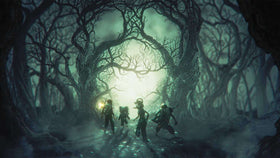
Quick answer: The strongest late-run strategy in 99 Nights in the Forest is to protect the campfire, plan fuel before dark, split team jobs, and avoid risky trips that return less than they cost. There is no single perfect build for every lobby: party size, weather, unlocked crafting tiers, and your current supplies all change the best move.
When a run reaches its difficult stretch, players often lose progress through small mistakes rather than one dramatic fight: the fire runs low while everyone is away, several teammates gather the same resource, or someone starts a raid without enough healing and ammunition. This guide focuses on decisions that remain useful across runs. Check the live game for changes before relying on any specific item recipe or enemy behavior.

The late-run rule: keep the campfire plan ahead of the danger
The campfire is more than a landmark. Community guides describe it as a source of light and a safety point against several forest threats, while also warning that Cultists can still attack the camp. Staying near the fire can support visibility and health recovery, but it is not a substitute for a defense plan.
Before leaving camp, check the fuel bar, the time until night, and the route back. Assign one player to keep an eye on fuel when playing as a team. If the fire is close to running low, shorten the expedition and return with fuel rather than pushing farther for one more chest. In rain, snow, or other difficult weather, build in an extra safety margin instead of assuming the usual fuel supply will last.
Five priorities that improve late-game consistency
1. Treat fuel as a scheduled job, not an emergency
Gather fuel during safer periods and keep it in a predictable place. Use the resources your current run can replenish reliably; do not burn every useful item just to fill the bar if that item is more valuable for crafting or healing. As your campfire level rises, reassess which fuel sources make sense instead of following an old recipe list blindly.

2. Split the team into clear roles
For a group run, agree on responsibilities before the team spreads out. A practical division is one fuel-and-wood gatherer, one scavenger who prioritizes scrap and useful loot, one player focused on food or farming, and one flexible defender or explorer. Adjust those roles for your group size and available classes. In a solo run, use the same logic as a sequence: fuel first, then essential supplies, then optional exploration.
Do not send every player on separate long trips at the same time. That may increase the amount of loot collected, but it also makes emergencies harder to handle and leaves nobody ready to defend the camp.
3. Upgrade the crafting bench only when the upgrade unlocks a real need
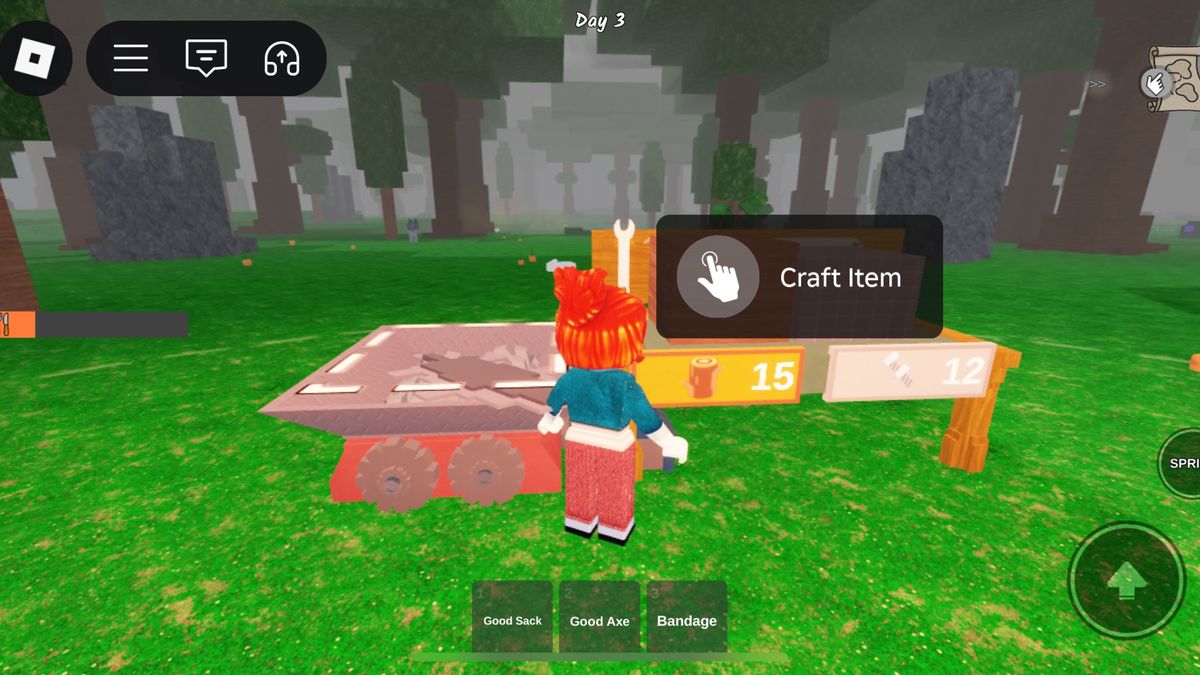
Crafting is valuable when it solves a current bottleneck. Before spending scarce scrap, check what the next bench tier unlocks and decide whether that item will improve survival now. A map or navigation aid can reduce wasted travel; healing supplies can protect a long run; base defenses can help when raids are the main risk. Avoid spending rare materials on an upgrade simply because it is available.
4. Prepare for raids before they begin
Use the daylight to inspect approaches to camp, place defenses where enemies are likely to reach you, and keep an escape path open. Community walkthroughs describe using traps and ranged weapons to manage Cultists, but exact effectiveness depends on the current game version and your available gear. Focus ranged attacks on threats that are difficult to handle at close range, and do not let the entire team chase enemies away from the campfire.

5. Leave a raid or loot run when the risk stops paying off
Before entering a dangerous area, agree on a simple exit condition: low health, dwindling ammunition, lost teammate support, or a campfire that needs attention. A chest is not a good trade if reaching it risks losing a long survival run. Carry only what you need for the planned trip, and return to base before the team is forced to retreat in panic.
Stronghold and exploration checklist
Strongholds can offer useful loot, but the safest approach is deliberate rather than impulsive. Check your healing items and weapon readiness, make sure the camp is stable, and avoid starting a fight when the team is scattered. If the entrance or interior is unfamiliar, scout from a safer position first and keep track of the route back.

- Check campfire fuel and weather before leaving.
- Carry healing supplies and the weapons you can use reliably.
- Keep the team close enough to help if a fight turns bad.
- Do not spend rare crafting materials without a clear purpose.
- Leave when the loot is no longer worth the risk.
- Return to camp with time to prepare for the next night.
Solo versus team strategy
Solo players: Minimize unnecessary travel. Pick a small objective for each trip, collect fuel and survival essentials first, and avoid fights that can be bypassed. Since nobody else can rescue a poor decision, keeping a clear route back to camp matters more than chasing every optional reward.
Teams: Assign roles and call out when the fire needs attention. One player can handle fuel while others loot, but everyone should know the retreat plan. The larger the team, the more important it is to coordinate rather than duplicate work. Starting with more players can also change the challenge, so do not assume a solo fuel plan will work unchanged in a full lobby.
Video reference: general survival decisions
This older creator video offers general survival ideas, not confirmation of every current mechanic. Use it as a visual reference and verify recipes, enemies, and balance changes in the live game.
What is confirmed, and what should be tested?
The official Roblox listing identifies the experience as 99 Nights in the Forest by Grandma's Favourite Games. The practical guidance here is based on recurring mechanics described in community reference guides, including campfire management, crafting, and team coordination. Fan-maintained sources can be useful, but they are not official patch notes; item values and enemy behavior can change.
For the current game listing, use the official Roblox experience page. For additional reference, consult the community tips and tricks guide and the campfire guide. Check the in-game UI after updates rather than treating older screenshots as proof of the latest build.
Frequently asked questions
What is the best late-game strategy in 99 Nights in the Forest?
Keep the campfire supplied, plan trips around the day-night cycle, assign clear team roles, and avoid fights that cost more health or resources than the reward is worth.
Should I upgrade the campfire before exploring?
Prioritize a reliable fire and a safe fuel plan before taking long trips. The exact upgrade timing depends on the run, party size, weather, and resources you have collected.
What should a team do during a Cultist raid?
Keep the campfire defended, focus on threats that can reach the camp, use traps or ranged weapons when available, and avoid sending everyone away from the base at once.
Is a stronghold raid always worth it?
No. It can be useful when the team has enough health, gear, and time, but skipping a raid is often smarter if the camp is underprepared or the return route is unsafe.
Are these exact item recipes guaranteed to be current?
No. Updates can change recipes and balance. Confirm costs and effects in the live crafting interface before committing rare materials.
Where can I verify the latest game details?
Start with the official Roblox experience page, then check the live in-game update notes and menus.
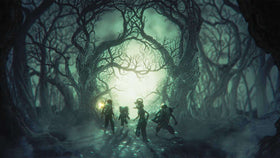
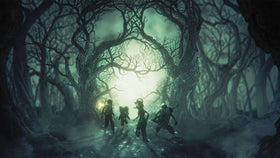
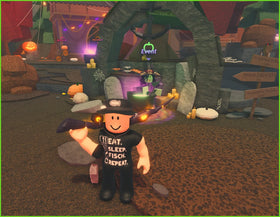
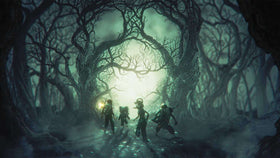
Image note: The five inline images are distinct, externally hosted gameplay screenshots credited to their publishers. They are illustrative references and may show earlier builds; reuse rights and hotlink availability depend on each publisher's terms.
By Shivam Das