


Photo credit: @AHSZone on X
Episode 5 runtime 26 minutes #AHS13
— @AHSZone September 2026
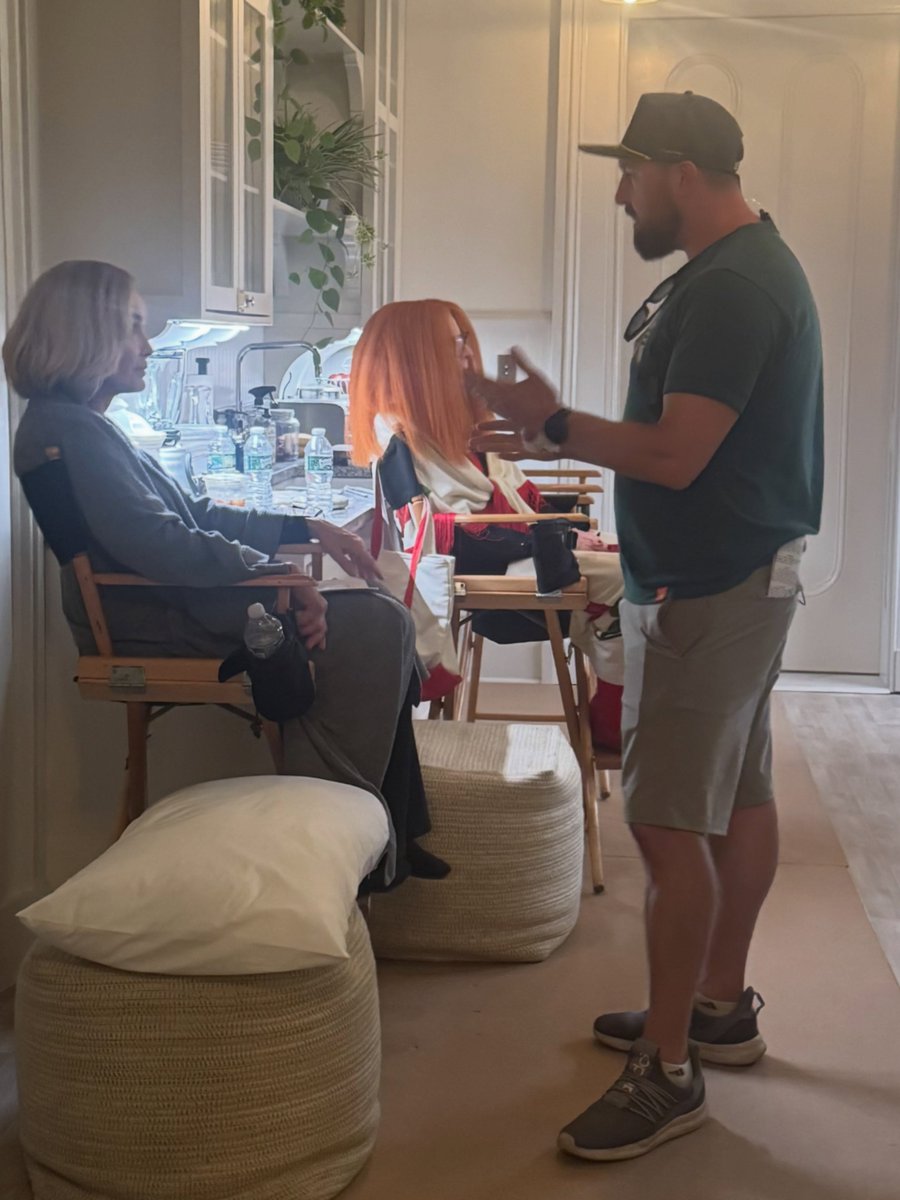
Photo credit: @ahsfxoficial on X
Jessica Lange Frances Conroy BTS #AHS13
— @ahsfxoficial September 2026
Episode 3 of American Horror Story Season 13 is titled “Rauhnacht.” Constance Langdon hosts a dark holiday gathering, the veil between worlds is described as especially thin, and the night ends with a procession toward a portal labeled Club Hell. The show presents the word as a pagan holiday when the boundary between Earth and the spirit world nearly disappears.
Rauhnacht American Horror Story Season 13 draws on real Alpine folklore—the Rauhnächte nights when the veil between worlds thins. Episode 3 uses that tradition to open Club Hell and move the first leading lady.
That framing is not invented from nothing. Rauhnacht (more commonly the plural Rauhnächte) is a real set of traditions rooted in the Alpine regions of Austria, Bavaria, Tyrol, and surrounding areas. The version on screen is a compressed, darkened adaptation. Here is what the actual folklore says and how closely the series tracks it.
Por que Tate, Kai, Winter e Adelaide estão "vivos" e não estão presos em infernos pessoais ou bocas do inferno?
— Central AHS (@CentralAHSBRA) September 25, 2026
Se Sr. Nas é o Diabo e Constance diz que o The Apollyon é sua casa, então, o The Apollyon é o inferno na terra. E como dito por tate, o Rauhnacht (dia em que se passa o 3º episódio) é quando os fantasmas e demônios podem andar livremente pelo inferno.
Image credit: @CentralAHSBRA
What the Rauhnächte Actually Are
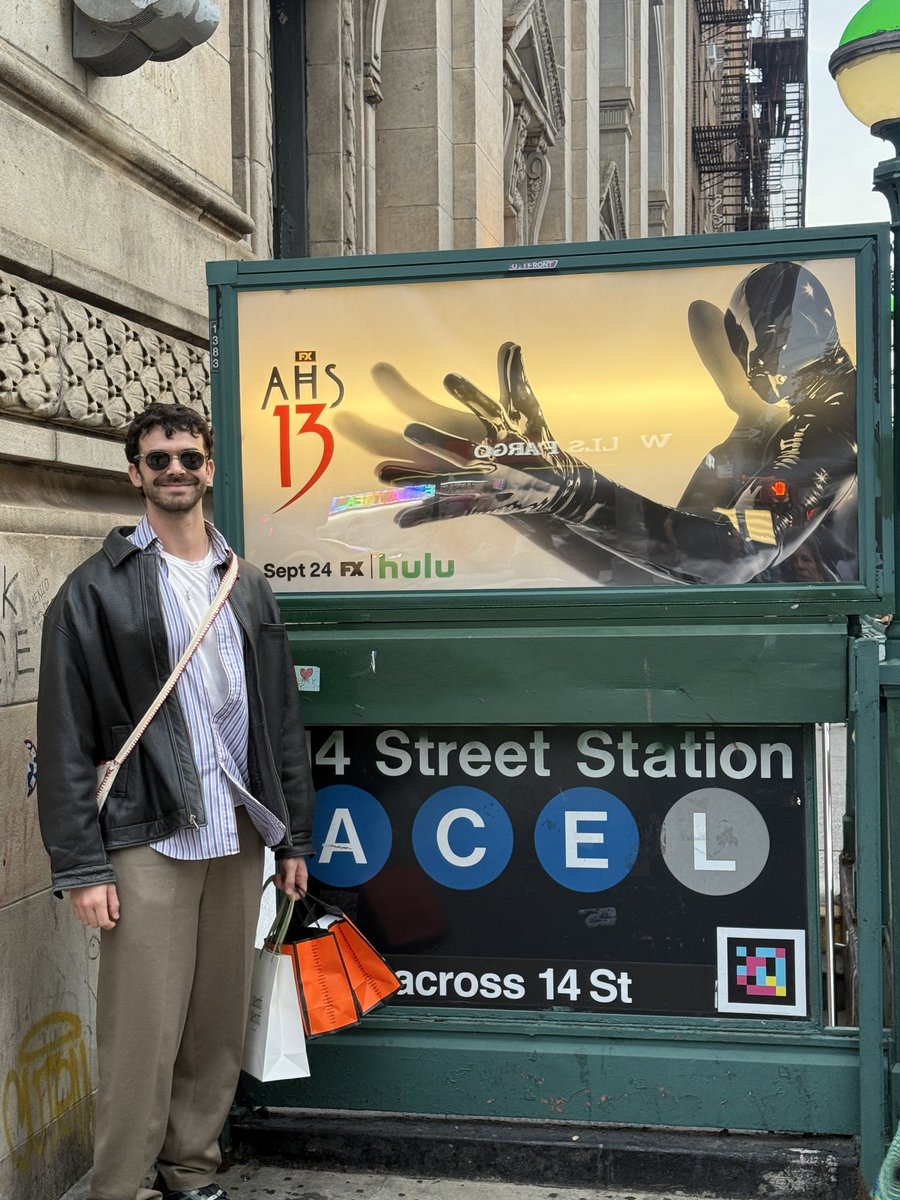
Cast celebrates AHS 13 Number 1 on Hulu and Disney+. Photo credit: @JoeyPollari on X
Cast celebrates AHS 13 Number 1 on Hulu and Disney+ #AHS13 #AmericanHorrorStorySeason13
— @JoeyPollari September 2026
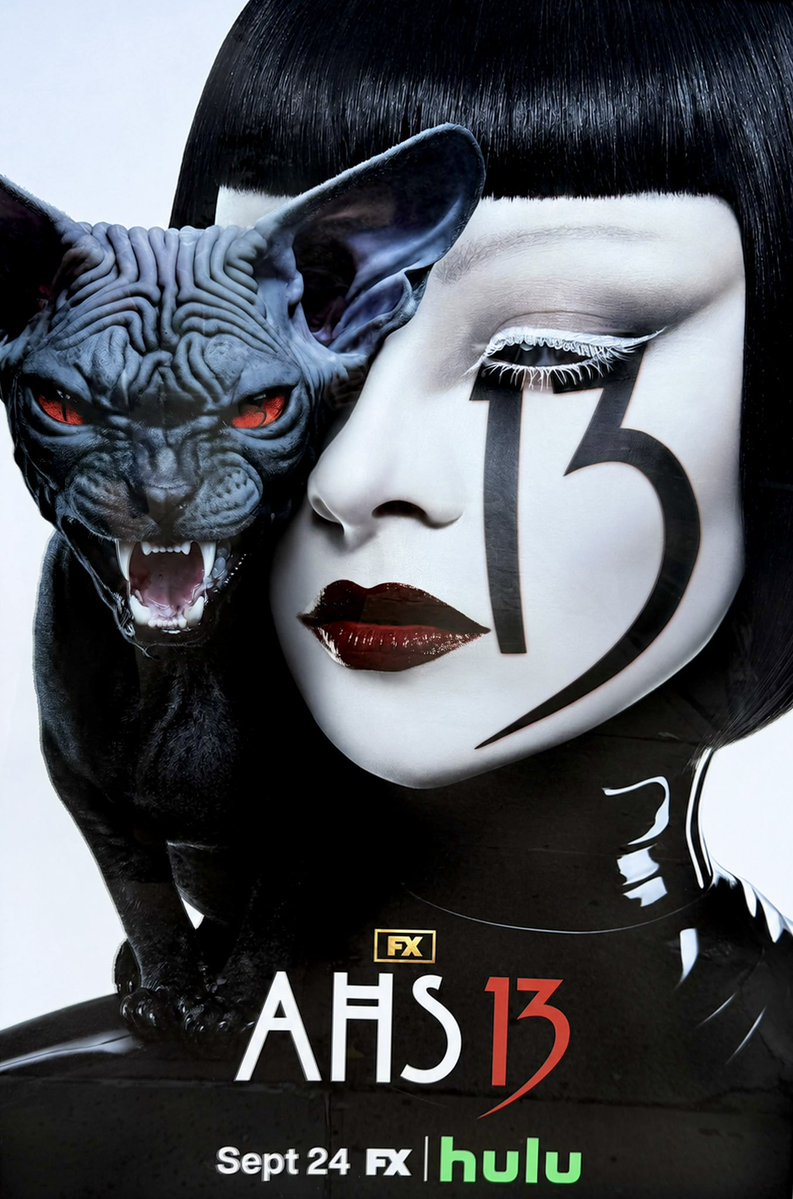
Official poster for American Horror Story Season 13. Photo credit: @AHS___Spain on X
Official poster for American Horror Story Season 13 #AHS13 #AmericanHorrorStorySeason13
— @AHS___Spain September 2026
In Alpine folk tradition the Rauhnächte are a stretch of nights “between the years,” most often counted from the evening of December 24 or 25 through the night of January 5–6 (Epiphany). Some local variants begin at the winter solstice on December 21. The period usually covers twelve nights.
The number is not arbitrary. A lunar year is roughly eleven days shorter than a solar year. When older calendars shifted, those leftover days and nights were treated as liminal time—outside ordinary reckoning. During them the normal order was believed to loosen. Spirits of the dead, demons, and other non-human beings were thought to move more freely through the human world.
The name itself has two leading explanations. One links it to “Rauch” (smoke), because households and stables were traditionally smoked with juniper or incense to drive out harmful forces. The other traces it to the Middle High German “rûch,” meaning rough, hairy, or shaggy—a reference to the wild, furred spirits said to roam during those nights.
Core Beliefs of the Traditional Rauhnächte
Several ideas appear consistently across the Alpine regions:
- The veil between the living and the dead is thinner than at any other time of year.
- The Wild Hunt (Wilde Jagd) rides through the sky, often led by Odin/Wotan or by the figure known as Perchta or Frau Holle.
- Each of the twelve nights can foreshadow the weather or fortune of one of the coming twelve months.
- Certain activities were forbidden or dangerous: slamming doors, hanging white laundry (spirits might claim the cloth as shrouds), spinning or sewing, and leaving the house at night without protection.
- Protective rituals centered on smoke, noise, offerings of food, and careful observation of signs.
Perchta, in particular, was said to check whether people had been industrious during the year. The final night, sometimes called Perchtennacht, was the climax of the period and the occasion for masked processions that still survive in parts of Austria and Bavaria.
How American Horror Story Uses the Tradition
In Episode 3 Constance explicitly frames her gathering as Rauhnacht, a time when the veil between Hell and Earth is at its thinnest. She assembles returning figures—some long dead—around a black Christmas tree. The Black Dahlia is brought as a guest and then escorted downward to Club Hell, where Wilhemina Venable welcomes the group to a portal.
The show retains the central folkloric idea: a liminal night when boundaries fail and the dead or the non-human can cross. It discards almost everything else. There is no twelve-night calendar, no weather divination, no protective smoking of the house, and no Perchta checking the industrious. Instead the thin veil is immediately put to practical use—gathering specific souls and moving them toward an underworld doorway.
The series also collapses the traditional protective and divinatory functions into a single opportunistic ritual. In the folklore the living try to keep the spirits at bay or read the future carefully. In the episode Constance appears to be working with the opening, not against it.
Where the Adaptation Is Accurate
Two points line up cleanly with the source material.
First, the thinness of the boundary. Alpine tradition repeatedly describes these nights as the moment when the spirit world and the human world interpenetrate. The show’s language about the veil between Hell and Earth is a direct, if intensified, translation of that belief.
Second, the presence of the dead. Traditional accounts speak of the souls of the departed moving more freely, of the Wild Hunt carrying the dead, and of ancestral spirits requiring recognition. Constance’s reunion of long-dead children and the collection of “leading ladies” echo that motif, even if the purpose has been rewritten as ritual sacrifice or portal activation.
Where the Show Departs
The most obvious departure is scale and intent. Real Rauhnächte practices were largely defensive or oracular. People smoked the house, made noise, left offerings, and tried not to attract attention. They did not host formal dinners designed to feed specific souls into a basement portal.
The show also compresses a multi-night seasonal observance into a single dramatic evening. The traditional period lasts nearly two weeks and is tied to the calendar gap between lunar and solar time. Episode 3 treats Rauhnacht as a named holiday that can be scheduled and weaponized.
Finally, the series replaces the ambiguous Alpine spirits—sometimes dangerous, sometimes ancestral—with a clear Hell hierarchy. Club Hell and the Apollyon give the folklore a Christianized underworld geography that the older traditions do not require.
Why the Choice Still Works
Ryan Murphy’s writers did not need ethnographic precision. They needed a culturally resonant name for a night when the dead can be moved. Rauhnacht supplies that name and carries centuries of association with thin boundaries and roaming spirits. By keeping the core image and discarding the protective and calendrical details, the episode turns a seasonal folk observance into a plot engine that serves the larger mythology of the Apollyon and the ultimate evil.
Viewers who recognize the real tradition will notice both the fidelity and the distortion. The show is not teaching Alpine folklore. It is borrowing the oldest available language for a night when the living and the dead occupy the same room—and then deciding what to do with that room.
Watch: Official Trailer
Video: Official trailer — FX Networks / YouTube
Frequently Asked Questions
What does Rauhnacht mean?
It refers to the Rauhnächte, a traditional set of roughly twelve nights in the Alpine regions between late December and early January when the boundary between the human and spirit worlds was believed to be especially thin.
Is Rauhnacht a real holiday?
It is a real folk observance, not a single fixed religious holiday. Practices varied by region and included protective smoking of houses, divination, and awareness of the Wild Hunt or Perchta.
How does American Horror Story use the term?
In Episode 3 Constance describes Rauhnacht as the time when the veil between Hell and Earth is thinnest and uses the night to gather the dead and move them toward a portal.
Does the show follow the traditional calendar?
No. The series compresses the multi-night period into a single dramatic evening and removes most of the protective and divinatory customs.
What is the Wild Hunt in the original folklore?
A spectral procession, often led by Odin or Perchta, that was said to race through the sky during the Rauhnächte, carrying spirits of the dead and sometimes endangering anyone who encountered it.
🎬 Billie Lourd as Winter Anderson Behind The Scenes of American Horror Story Season 13! #AHS13
— Billie Lourd Updates (@BillieLourdinfo) September 25, 2026
Image credit: @BillieLourdinfo

Photo credit: @BillieLourdinfo via X/Twitter — Rauhnacht still

Photo credit: @BillieLourdinfo via X/Twitter — Winter Rauhnacht
Billie Lourd as Winter Anderson and Evan Peters as Kai Anderson in American Horror Story Season 13 episode 3 Rauhnacht #AHS13
— Billie Lourd Updates (@BillieLourdinfo) September 25, 2026
Image credit: @BillieLourdinfo

Photo credit: Original X/Twitter source, hosted on site CDN. American Horror Story Season 13 coverage.

Photo credit: Original X/Twitter source, hosted on site CDN. American Horror Story Season 13 coverage.
Related coverage
Author: Shivam Das. Independent coverage for U.S. readers. Updated September 26, 2026. All images via original Twitter/X posts with credit.


